Engineered for initial deployment in municipal infrastructure and industrial zones in Central African Republic
The Central African Republic (C.A.R.) is currently navigating a pivotal energy transition. With primary reliance on limited hydroelectric facilities (such as Boali) and expensive, logistics-constrained diesel generation, utility networks like ENERCA face severe operational strains. Power outages in key urban centers like Bangui, Bimbo, and Berberati frequently disrupt commercial and industrial (C&I) productivity.
Deploying grid-tied and hybrid photovoltaic solar systems presents an economically transformative pathway. By integrating high-efficiency solar arrays directly with localized commercial distribution links, businesses can offset operational diesel expenses by up to 65%. Given C.A.R.'s high solar irradiance—averaging 5.0 to 5.5 kWh/m²/day—photovoltaic integration delivers both immediate operational savings and structural stability to overloaded regional networks.
Adapting on-grid and hybrid energy infrastructure to meet specific environmental and infrastructural demands
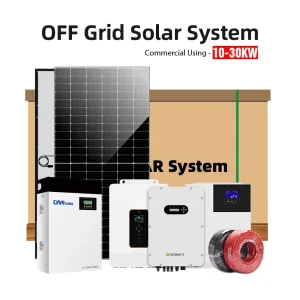
Optimized for diamond extraction and timber processing operations in remote provinces. Integrating utility-grade solar components with existing thermal generator grids reduces diesel consumption, prevents motor load stress, and guarantees 24/7 runtimes.
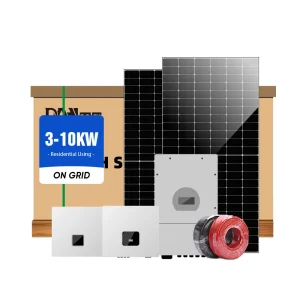
Specifically customized for administrative buildings, processing warehouses, and retail malls in Bangui. These systems draw solar power during peak daytime hours, relieving the local ENERCA network and protecting facilities from voltage drops.
Continuous, resilient power modules with smart grid-forming capability. Features high-performance lithium backup blocks designed to maintain vital cellular masts and cold storage operations for pharmaceuticals during complete grid failures.
Showcasing our robust hybrid and grid-tied installations designed for C.A.R. conditions
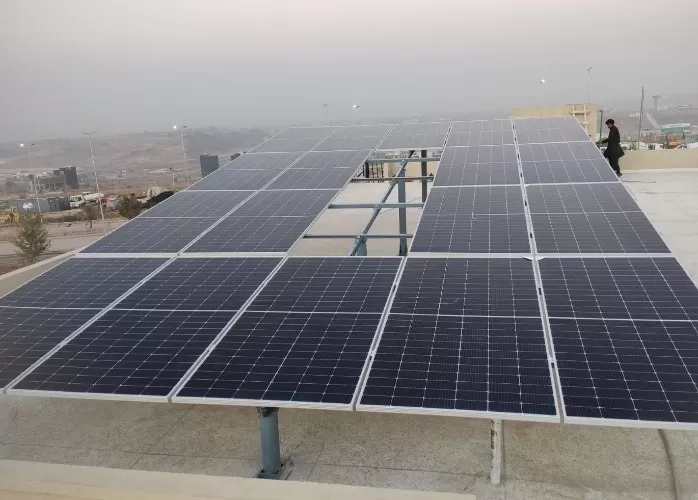
10KW Hybrid Solar System Integration
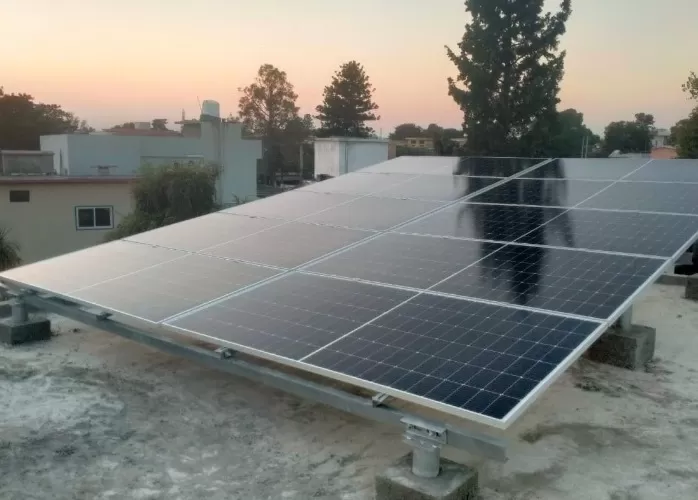
5KW On-Grid System Pilot Site
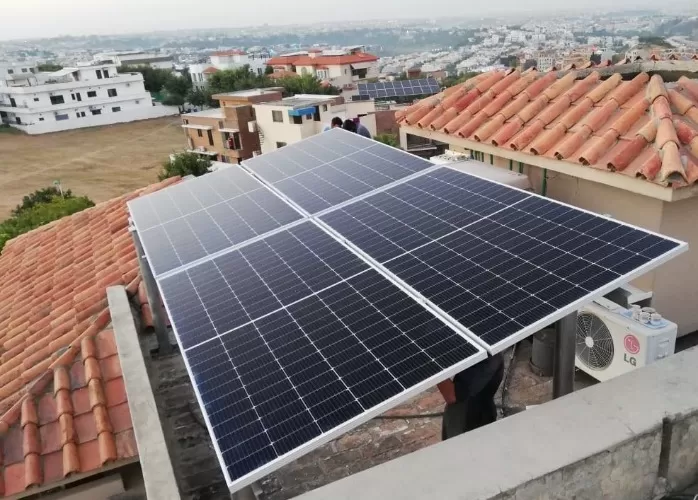
2KW Off-Grid Autonomous System
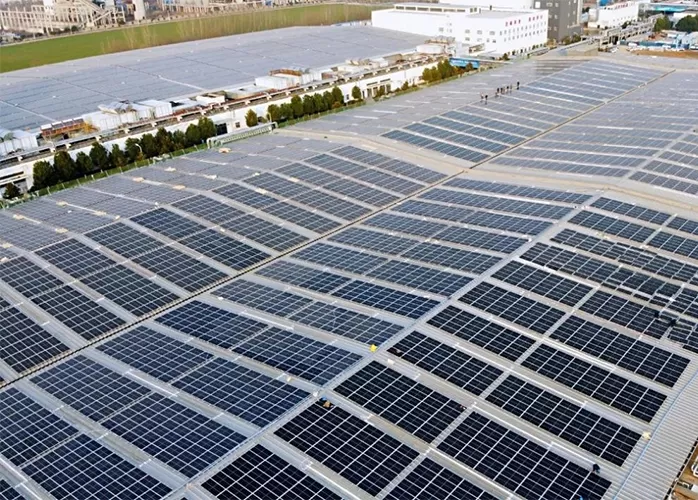
5MW C&I Solar Plant Deployment
SES Solar's forward engineering path for offgrid stability and automated load matching
Implementation of zero-export smart meters and wide band-gap semiconductor switches. This architecture manages rapid voltage changes and transient events typical of old distribution lines, avoiding equipment wear.
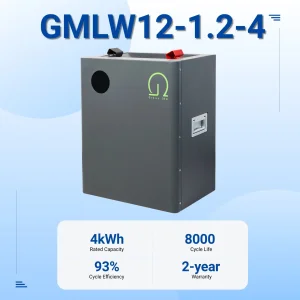
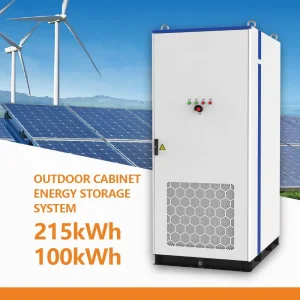
Combining modular high-voltage energy storage systems (BESS) with digital cell management (BMS). Ensures steady grid interactions even under varying cloud cover and thermal conditions up to 45°C ambient.
Integrated cloud platform with cellular fallback connections. Analyzes production data to predict maintenance needs and optimize load-shedding practices for high-uptime industrial facilities.

As a leading Chinese solar integrated manufacturer, SES Solar combines specialized research and development with large-scale production. With our solar cell capacity exceeding 35GW and solar panel output reaching over 1GW, we supply reliable materials to complex installation markets in sub-Saharan Africa. This vertical integration helps control raw material costs and ensures component compatibility across our systems.
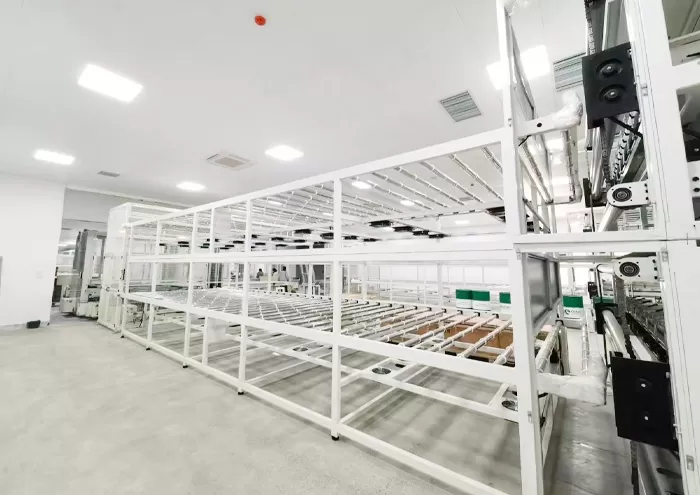
By investing in our dedicated ESS facility, we offer integrated balance-of-system solutions, including inverters, mounting structures, and battery packs. We coordinate shipments from China to African ports (such as Douala or Pointe-Noire) and handle the overland transport routes to Bangui, ensuring safe delivery and reliable construction schedules.
Deploying solar energy in Central Africa requires careful alignment with both local regulations and international quality standards. SES Solar designs equipment to meet ENERCA grid connection standards while ensuring full compliance with international safety norms (IEC 61215, IEC 61730, and CE certifications).
Our technical team provides localized engineering drawings, load calculations, and electrical protection layouts. This documentation supports local licensing processes and helps speed up final grid-connection approvals. Our systems feature built-in protective features, such as over-voltage protection, insulation monitoring, and anti-islanding mechanisms to keep both workers and connected equipment safe.
Explore our complete range of certified PV arrays, hybrid systems, and battery storage modules for commercial, utility, and residential projects
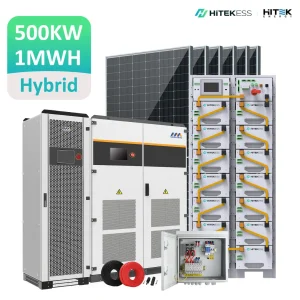
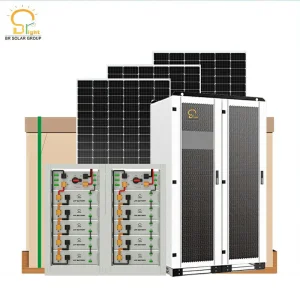
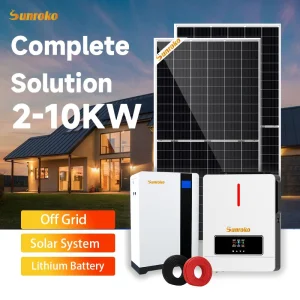
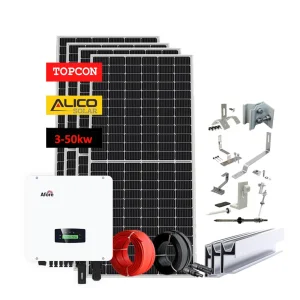
Professional engineering answers about system deployment, grid conditions, and logistics in Central Africa
Our grid-connected inverters are designed with wide input voltage windows and reactive power control features. This allows them to stay connected during moderate voltage fluctuations. For areas with frequent power drops, we recommend our hybrid system configurations. These systems switch over to battery backup in under 10 milliseconds, protecting machinery from interruptions and power surges.
For mid-sized commercial and industrial systems in Bangui, the average LCOE ranges from $0.06 to $0.09 per kWh over the life of the project. Compared to local grid tariffs and diesel generator running costs—which often exceed $0.35 per kWh—a grid-tied solar system typically achieves return on investment within 3.5 to 5 years, depending on site conditions and usage patterns.
We work with established logistics partners to coordinate shipments from our factory in China to the ports of Douala (Cameroon) or Pointe-Noire (Congo). From there, cargo is transported by road along designated transit corridors directly to Bangui and nearby project locations. We handle all export paperwork and shipping insurance, and provide durable packaging to protect components throughout the journey.
To maintain peak performance in dusty regions, solar modules require periodic cleaning. Our systems are built with high-efficiency, dust-resistant monocrystalline panels and IP66-rated enclosures to withstand heavy rain and high humidity. We also provide real-time remote monitoring so maintenance teams can check system output and resolve issues promptly.
SES Solar provides comprehensive engineering support. This includes single-line electrical diagrams, structural mounting layouts, and inverter programming guides. During commissioning, our technical support team is available via video conferencing to guide local installers through system startup, grid synchronization, and safety tests.
Get in touch with our engineering team for a customized layout, pricing quotation, and supply chain logistics plan for the Central African Republic market.
Send Inquiry Now Stove Solar