Stove Solar
Novosibirsk Remote Home Off-Grid Solar Power System
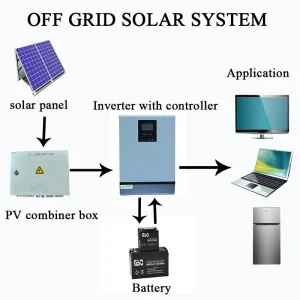
⚡ Factory-direct cold-climate power architecture
Engineered for Siberia’s continental winters, high-value industrial loads, remote assets and resilient energy independence — with Tier-1 PV modules, lithium ESS, hybrid inverters and export-ready documentation.
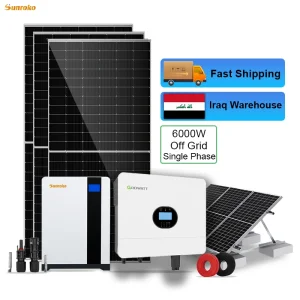
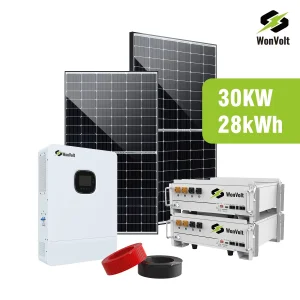
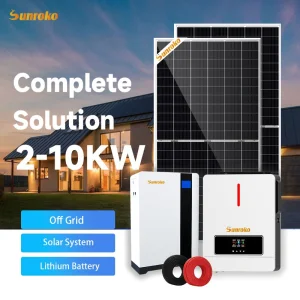
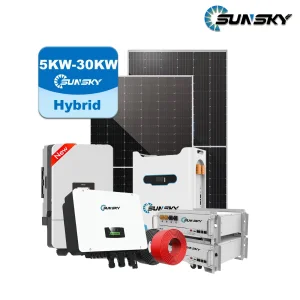
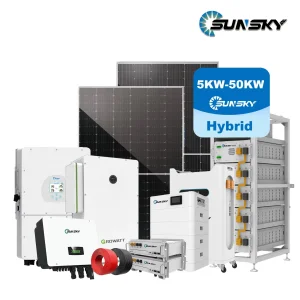
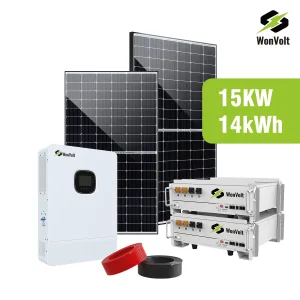
These four product platforms are the first place to start when matching Novosibirsk residential, commercial, remote-community or industrial requirements with a factory-direct off-grid solar system. Each source product URL is preserved below for procurement, quotation and technical comparison.
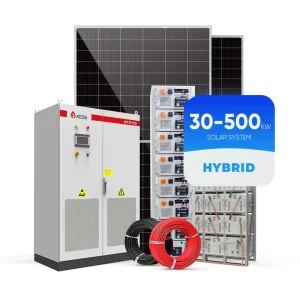
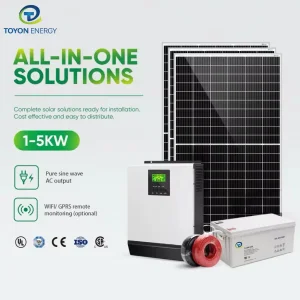
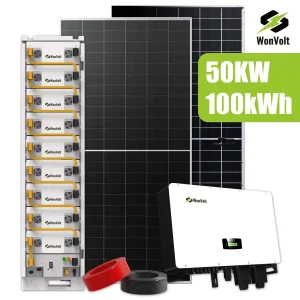
Novosibirsk is not a generic solar market. At approximately 55° north, the city combines a highly continental climate, long winter snow exposure, strong seasonal irradiance swings and an advanced industrial, scientific and logistics base.
For Novosibirsk, the engineering question is rarely “can solar work here?” The more useful question is: how should PV, battery storage, thermal protection, generators and intelligent controls be combined to deliver reliable power across a Siberian year? Off-grid solar in Novosibirsk must be designed around winter autonomy, low-temperature battery behaviour, snow management, occasional weak-grid interaction and the actual duty cycle of the site. A dacha, a telecom tower, a dairy cold room, a mining camp, a research facility and a machine-building plant do not share the same load profile — and they should not share the same solar architecture.
Novosibirsk’s economic profile supports demand beyond standard residential backup. The region has machine building, metallurgy, food processing, transport and logistics, power engineering, education and scientific research. Akademgorodok and nearby research campuses require stable power for laboratories, servers and monitoring equipment. Industrial sites and warehouses need backup and peak-shaving capabilities. Remote settlements, farms, cellular towers and monitoring stations need autonomous generation where extending the grid may be slower or more expensive. The city is also a logistics gateway: Tolmachevo Airport, the Trans-Siberian Railway corridor and regional road links make export, warehousing and service planning important for any off-grid solar supplier serving Siberia.
“Off-grid” in this market therefore means resilience engineering, not simply a solar panel plus a battery. SES Solar’s approach is to use site-specific load data, winter design temperatures, PV yield assumptions, battery chemistry, backup generator strategy and remote monitoring to create a complete system. The result should be understandable to local installers, acceptable to procurement teams and maintainable by operators over many years.
Local demand for off-grid solar and energy storage is shaped by climate, infrastructure, sector mix and the economics of avoided diesel or unreliable power.
Novosibirsk’s core grid is mature, but commercial buildings, clinics, data rooms and food businesses increasingly value battery backup for power quality and operational continuity. Hybrid systems can combine grid charging, solar and storage without requiring a fully islanded design.
Machine building, metalworking and processing operations often need backup for controls, instrumentation, refrigeration, pumps or selected production lines. A 30kW to 500kW off-grid or hybrid ESS can be scoped around critical loads rather than the entire facility.
Cellular towers, environmental sensors, pipeline monitoring and remote security systems need unattended power. Cold-climate battery enclosures, remote diagnostics and modular PV arrays are essential for reducing site visits.
Farms, dairy operations, grain handling and cold storage can use off-grid solar with generator backup to reduce fuel dependence. Seasonal loads and winter temperatures should be analysed separately from summer harvest peaks.
Novosibirsk sits within major rail, road and air corridors. Exporters must plan packaging, lithium battery documentation, spare-parts availability and factory acceptance testing before shipment to Siberia.
Laboratories, clinics, schools and research facilities need clean power for sensitive equipment. Battery storage can support voltage stability, backup for critical devices and integration with solar generation.
Novosibirsk buyers benefit from global scale in PV, power electronics and lithium storage — provided the system is adapted to local conditions rather than simply imported as a warm-climate package.
Modern off-grid systems increasingly combine solar, battery storage, generator input and sometimes a weak or unreliable grid. Hybrid inverters and energy management systems decide when to charge, discharge, start a generator or shift loads. For Novosibirsk, hybridisation improves winter resilience without abandoning solar economics in the stronger spring and summer months.
Lithium iron phosphate batteries are widely used for stationary storage because of cycle life, safety characteristics and modular scalability. In cold climates, the critical detail is not the cell chemistry alone — it is the thermal enclosure, heating strategy, BMS charge protection and enclosure ventilation. A battery that is excellent in a warm warehouse can fail in a Siberian winter if low-temperature charging is not managed.
Remote diagnostics, event logs, state-of-charge visibility and alarm notifications reduce maintenance trips. For Novosibirsk sites outside the city, 4G or Ethernet-based monitoring can be as valuable as a few extra solar panels because it turns an unknown fault into an actionable service event.
Globally, commercial and industrial buyers are treating electricity resilience as an operational risk issue. Off-grid and hybrid systems are no longer only for remote cabins. They support cold chains, telecom uptime, industrial controls and community services. In Novosibirsk, this trend aligns with the region’s industrial base and long-distance logistics.
Instead of one monolithic design, export projects often use standard 5kW, 10kW, 20kW, 30kW, 50kW, 100kW and larger building blocks. Modules can be combined with different battery capacities and PV arrays. This makes quotation, shipping, installation and future expansion easier.
Buyers no longer want a simple product list. They need evidence of design logic, factory capability, export experience, compliance awareness and local application understanding. That is why this Novosibirsk off-grid solar guide combines product access with technical, regulatory and market context.
SES Solar, a professional solar integrated manufacturer and solution provider in China, is a high-tech enterprise dedicated to R&D of solar modules, on/off/hybrid solar systems, lithium batteries, and ESS. With overseas branches and a professional team in support, SES Solar not only manufactures solar products but also designs, invests in, and installs solar systems across the Chinese mainland.
We have invested in 100MW of solar systems, with our solar cell factory capacity exceeding 35GW and our solar panel factory capacity surpassing 1GW. In 2022, SES Solar invested in their ESS factory, further expanding our capabilities and offerings in the solar industry.
Contact Us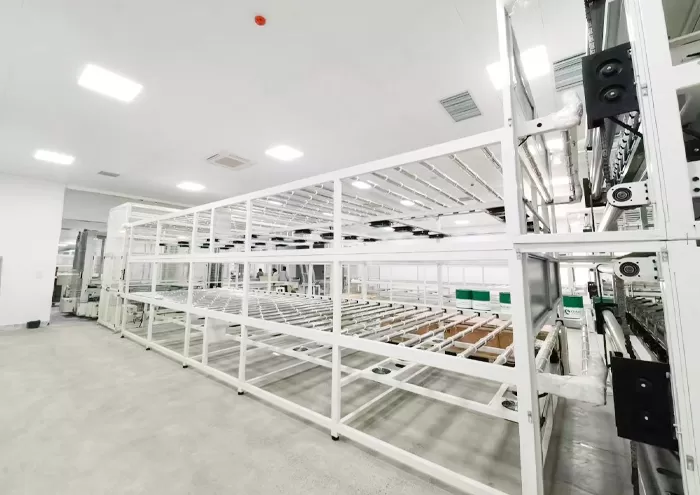
SES Solar, a professional solar integrated solution provider in China, is a high-tech enterprise dedicated to R&D of solar modules, on/off/hybrid solar systems, lithium batteries, and ESS. With overseas branches and a professional team in support, SES Solar not only manufactures solar products but also designs, invests in, and installs solar systems across the Chinese mainland. We have invested in 100MW of solar systems.

The industry's most comprehensive repair, maintenance and monitoring program.
The industry's most comprehensive repair, maintenance and monitoring program.
The industry's most comprehensive repair, maintenance and monitoring program.
These four original product listings cover households, commercial buildings and supporting balance-of-system hardware. The duplicate Wonvolt grid-tie listing is intentionally retained because it exists in the source product data.
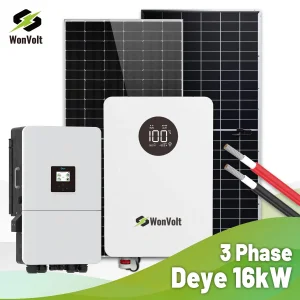
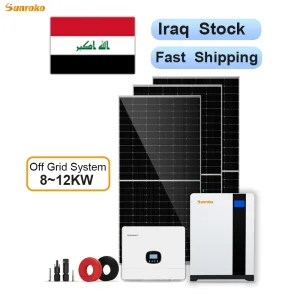
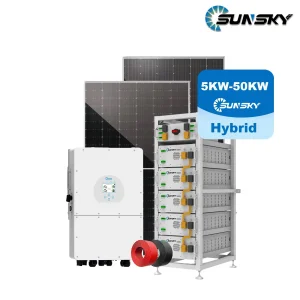
A Novosibirsk off-grid solar system should be engineered around winter performance, serviceability and the real load profile — not just summer kilowatt-peak numbers.
| Design Area | Novosibirsk Consideration | Practical Engineering Response |
|---|---|---|
| PV modules | Snow, low temperatures and strong seasonal irradiance variation. | Use IEC 61215 / IEC 61730 modules with robust snow-load ratings, appropriate tilt, durable framing and a clear snow-removal plan. |
| String sizing | Open-circuit voltage rises as module temperature falls. | Verify Voc at the low-temperature design point; keep inverter maximum input voltage within limits; avoid over-stringing. |
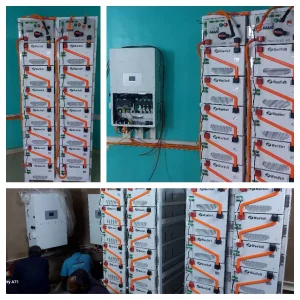
| Battery storage | LFP charging below 0°C requires protection and thermal management. | Use heated or insulated battery enclosures, low-temperature charge cut-off, BMS data visibility and a safe thermal design. |
| Mounting structure | Snow accumulation, frost depth and wind exposure. | Use hot-dip galvanised or suitable corrosion-protected structures, engineered ballast or ground screws, and accessible array clearance. |
| Generator integration | Extended cloudy periods and winter autonomy. | Provide generator input or auto-start control; size fuel storage and maintenance intervals; avoid oversizing the generator. |
| Controls and EMS | Load priority, battery protection and remote visibility. | Configure state-of-charge limits, load shedding, time-of-use logic and alarm reporting for local operators. |
| Serviceability | Remote sites and long transport distances. | Standardise components, supply spare parts, label wiring clearly and provide remote commissioning support. |
Whether the project uses a 5kW home system, a 30kVA three-phase commercial system or a 100kW–500kW industrial ESS, the same discipline applies: model the winter, document the assumptions and design for maintainability. This is especially important in Novosibirsk, where a well-designed summer system can still disappoint in January if battery temperature, generator logic and snow management are treated as afterthoughts.
Export projects succeed when product performance, documentation and after-sales support are planned as one system.
For Russia and the Eurasian Economic Union, equipment may be subject to EAC-related technical regulations, electrical safety requirements, fire-safety expectations, labelling and customs documentation. Lithium batteries require suitable transport documentation, including UN38.3-related test information where applicable, and correct packaging. Grid-connected projects may also require local utility approval. Regulatory requirements and customs procedures can change, so final project compliance should be confirmed with a qualified local importer, certification specialist or customs broker.
SES Solar supports the technical side of this process with product datasheets, equipment lists, diagram packages, factory acceptance information, packaging documentation and coordination with the buyer’s local compliance partner. We do not replace local legal or certification advice; instead, we help reduce the information gap between the factory specification and the Novosibirsk project file.
Novosibirsk projects benefit from a practical service model: pre-shipment configuration review, clear labelling, commissioning checklists, remote monitoring access and spare-parts planning. Where local installation partners are involved, SES Solar can provide technical clarification and remote troubleshooting. For industrial or remote systems, a documented escalation path is more valuable than a vague promise of “global support”.
Shipments can be planned around international rail, road and air freight routes, with Tolmachevo Airport and the Trans-Siberian corridor acting as important regional references. Solar modules, inverters and batteries have different packaging, handling and documentation needs. For lithium ESS, pre-shipment inspection, state-of-charge control, dangerous-goods paperwork and weather-resistant packaging should be agreed before dispatch.
Off-grid solar is most valuable when it is matched to a specific operational risk or avoided cost. The following patterns are common starting points for Novosibirsk projects.
Independent PV, battery and inverter systems for family homes, seasonal properties and cabins where extending the grid is difficult or uneconomical.
Unattended power for towers, sensors, cameras and remote control rooms, with battery heating and remote alarms to reduce site visits.
Solar-plus-storage for irrigation, farm buildings, milk cooling and cold rooms, with generator backup during prolonged cloudy periods.
Modular industrial ESS and PV arrays for camps, pumps, lighting and communication loads, designed for transport and future expansion.
Hybrid systems that support controls, instrumentation, refrigeration or selected production loads while the main grid remains available.
Reliable power for clinics, schools, community centres and emergency services where even short interruptions can create operational risk.
Off-grid power for guest lodges, recreation facilities and seasonal accommodation in areas with limited infrastructure.
Scalable solar, battery and control architectures for commercial campuses, industrial parks and multi-building communities.
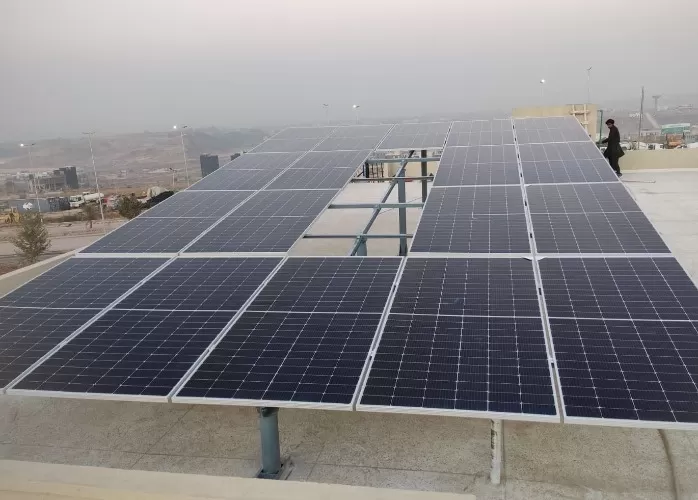
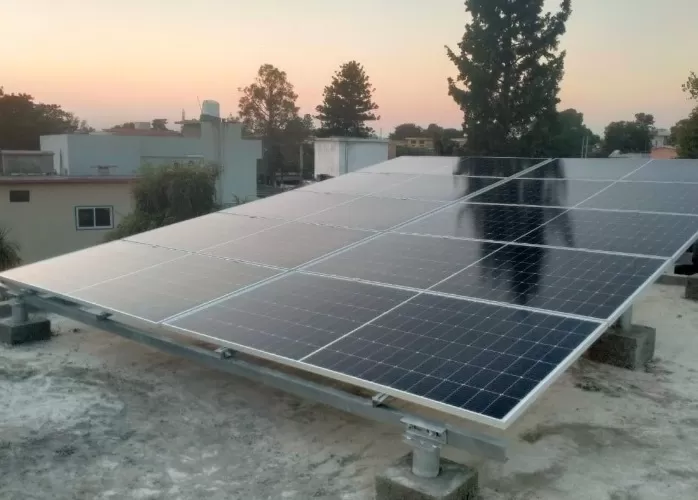
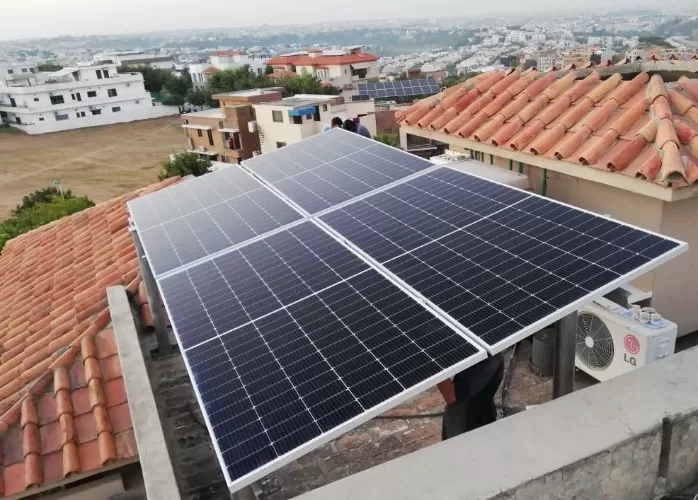
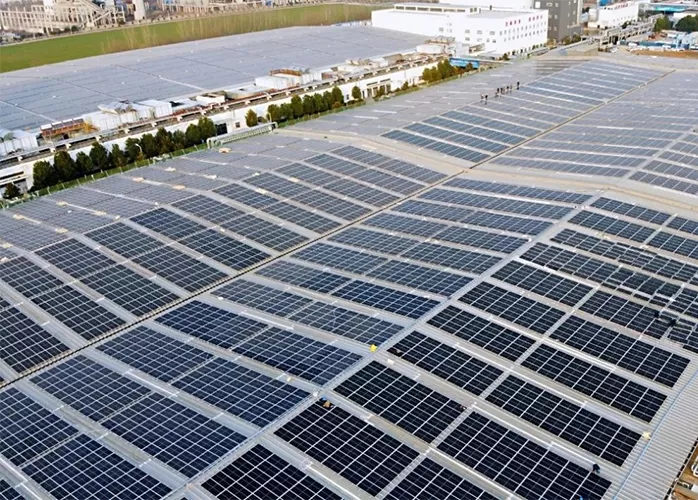
Original project references below show how residential, on-grid, off-grid and large-scale solar patterns can inform Novosibirsk system selection. The source project titles and images are retained.
We provide a comprehensive suite of solar PV solutions that can optimize a wide range of project applications.

The next stage of off-grid solar growth in Siberia will be driven by resilience, digital operations and cold-climate system integration rather than by panels alone.
Greater use of standard 5kW–30kW building blocks with heated battery enclosures, generator integration and remote monitoring for homes and commercial sites.
More documentation packages, Russian-language operator labels where required, spare-parts planning and closer cooperation with Novosibirsk installers and importers.
Wider adoption of cloud monitoring, fault diagnostics, load-priority control and multi-source microgrids combining PV, battery, generator and limited grid supply.
Off-grid ESS becomes part of broader energy strategies, including electric vehicle charging, refrigeration, industrial demand management and community resilience.
For Novosibirsk, the winning architecture will be the one that remains serviceable after years of snow, cold and changing loads. That means conservative electrical design, transparent documentation, accessible spare parts and a supplier able to support both the factory and the field.
Direct answers to common procurement and engineering questions from Novosibirsk buyers.
Solar generation is lower in winter because of short daylight, low sun angle and snow, but off-grid systems are designed with seasonal storage, generator backup or a larger PV array. The key is to model winter autonomy separately from summer production, use a suitable tilt angle and plan snow removal where practical. A hybrid design can still reduce fuel consumption substantially across the year.
A small cabin may start at 3kW–5kW with 5kWh–10kWh battery storage, while a full-time family home often uses 5kW–12kW PV with 10kWh–30kWh of battery capacity, depending on heating, pumping, cooking and appliance loads. Winter load and backup duration are more important than summer roof area. A load audit should come before final sizing.
LFP batteries should not be charged below 0°C without protection. In Novosibirsk, the battery should be installed in an insulated or heated enclosure, with a BMS that blocks low-temperature charging and a thermal strategy appropriate to the site. Discharge performance also needs checking. Battery heating plus insulation is usually more important than the headline battery capacity.
Not always, but for many Novosibirsk sites a generator is a pragmatic resilience measure. It can cover long cloudy periods, maintenance events or unusually high loads. The control system can auto-start the generator and prioritise battery charging. The goal is not to run the generator constantly, but to reduce battery and PV oversizing while protecting critical operations.
Use a steeper tilt where snow shedding is important, maintain safe roof access, and avoid any method that can scratch the glass or create electrical risk. Snow removal should be part of the operations plan. In some remote installations, a slightly larger PV array may be more economic than frequent winter trips.
Depending on the product and project, buyers may need EAC-related documentation, electrical safety information, fire-safety considerations, UN38.3-related lithium battery transport information, commercial invoices, packing lists and customs declarations. Requirements can change and should be confirmed with a local certification specialist or customs broker. SES Solar can supply technical datasheets and project documentation to support the process.
International rail, road and air routes are commonly used. Tolmachevo Airport and the Trans-Siberian corridor are relevant logistics references. Solar modules and batteries require appropriate packaging, handling and documentation. For lithium ESS, dangerous-goods paperwork, state-of-charge control and pre-shipment inspection should be agreed in advance.
Yes. Industrial projects can be configured around critical loads, three-phase power, generator integration, battery autonomy and future expansion. Typical building blocks include 30kW, 50kW, 100kW, 200kW, 300kW and 500kW-class systems, with custom PV and ESS sizing. A single-line diagram, load list and site conditions are the best starting documents.
Lead time depends on system size, battery configuration, documentation, factory scheduling and logistics. Standard configurations can move faster than fully custom ESS projects. Providing a clear load list, destination, voltage, phase and delivery window early helps reduce quotation and engineering cycles.
Support can include commissioning checklists, remote monitoring configuration, technical troubleshooting, spare-parts planning and documentation. Local installation partners should be involved for site work and any legally required electrical inspection. For remote Novosibirsk assets, monitoring and a clear service escalation path are especially valuable.
From ground-screw foundations and all-in-one systems to 30kVA, 100kW–500kW and three-phase industrial ESS platforms, these eight original products complete the Novosibirsk-oriented selection. All source URLs and image assets are retained.

Send your load list, backup requirements, site location and target delivery window. Our technical and export team will help define a cold-climate-ready system with factory-direct equipment, documentation support and responsive quotation.