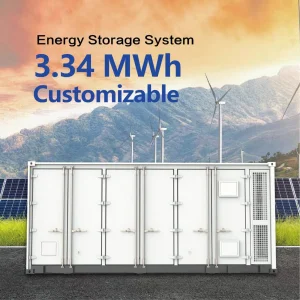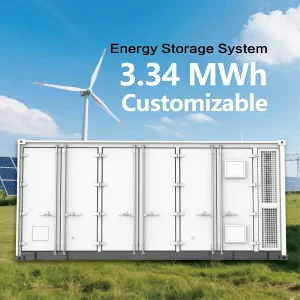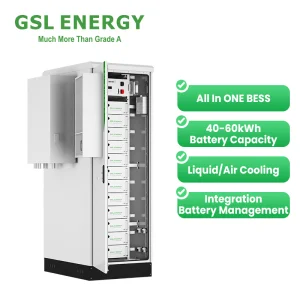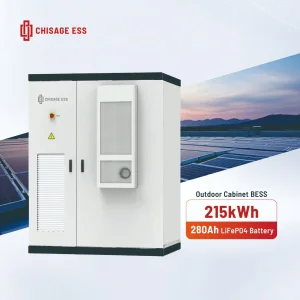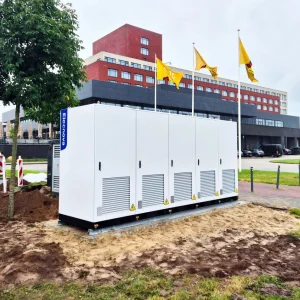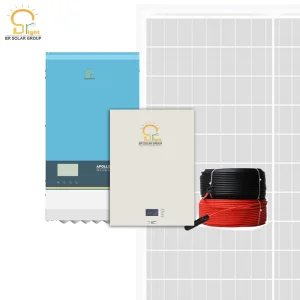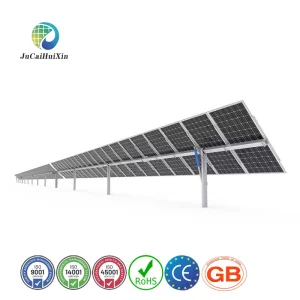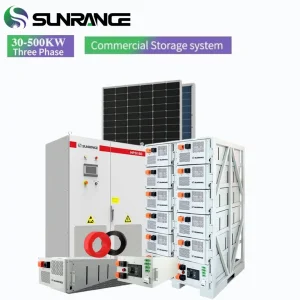
In the evolving landscape of East Asian energy dynamics, North Korea (DPRK) presents a unique set of challenges and opportunities for industrial energy infrastructure. As the nation emphasizes economic self-reliance (Juche) and modernizes its special economic zones (SEZs) such as Rason and Kaesong, the demand for stable, decentralized power has reached critical mass. Industrial Solar Systems are no longer just an "alternative"; they are a foundational pillar for operational continuity.
Solar Cell Capacity
EPC Experience
Manufacturing Grade
Harsh Environment Rating
The industrial sector in the region, particularly mining, heavy manufacturing, and textile production, often operates under grid constraints. Fluctuating voltage and intermittent supply can lead to significant downtime and equipment damage. By integrating megawatt-scale solar arrays and Battery Energy Storage Systems (BESS), local factories can achieve energy independence, decoupling their production schedules from the vulnerabilities of the aging central grid.
SES Solar leverages the pinnacle of Chinese manufacturing efficiency—Factory 4.0. Our production lines utilize AI-driven quality control and automated robotics to ensure that every module and inverter meets global Tier-1 standards. For North Korean procurement, this means:
Cost Efficiency: Economies of scale that reduce CAPEX for large-scale industrial projects.
Supply Chain Integrity: Direct access to the world's most robust solar supply chain, ensuring no delays in spare parts or module replacements.
Custom Engineering: The ability to modify inverter parameters to match the specific frequency and voltage requirements found in DPRK industrial zones.
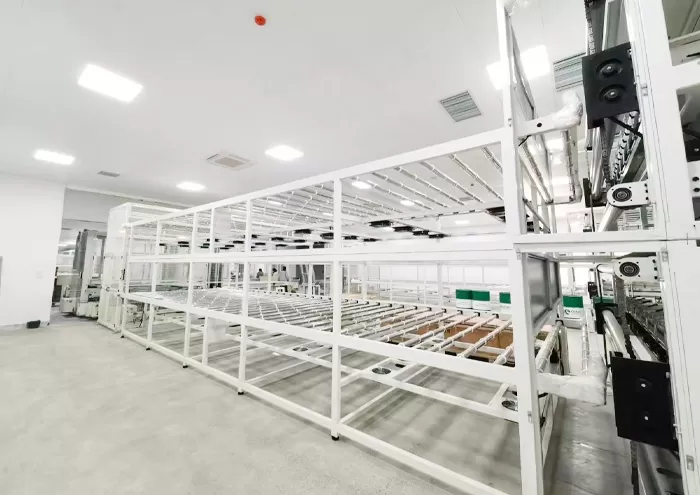
SES Solar, a professional solar integrated manufacturer and solution provider in China, is a high-tech enterprise dedicated to R&D of solar modules, on/off/hybrid solar systems, lithium batteries, and ESS. With overseas branches and a professional team in support, SES Solar not only manufactures solar products but also designs, invests in, and installs solar systems across the Chinese mainland and global markets.
We have invested in 100MW of solar systems, with our solar cell factory capacity exceeding 35GW and our solar panel factory capacity surpassing 1GW. In 2022, SES Solar invested in their ESS factory, further expanding our capabilities and offerings in the solar industry.

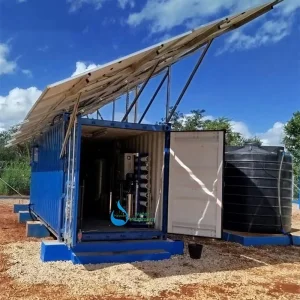
Optimized for rapid deployment in remote regions.
Repair, maintenance, and monitoring programs included.
Engineered for 25+ years of operational lifespan.
16 years of solar marketing & EPC experience.
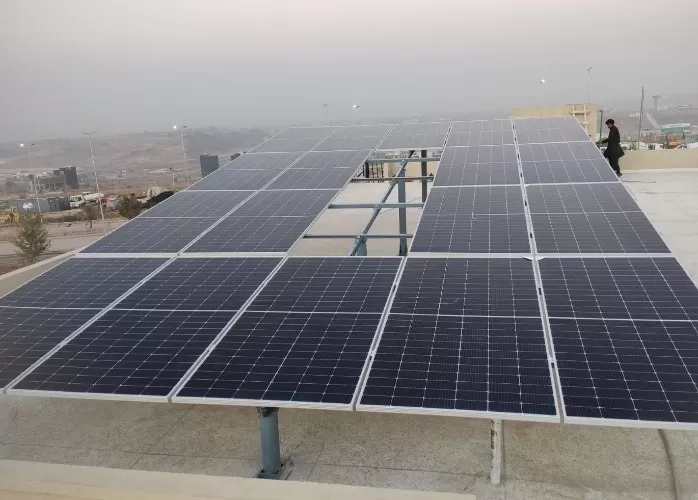
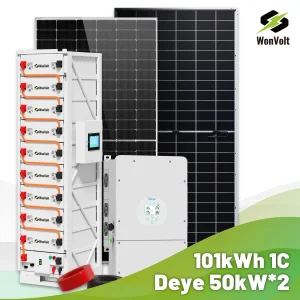
10KW to 500KW hybrid systems for textile and light assembly plants in economic zones.
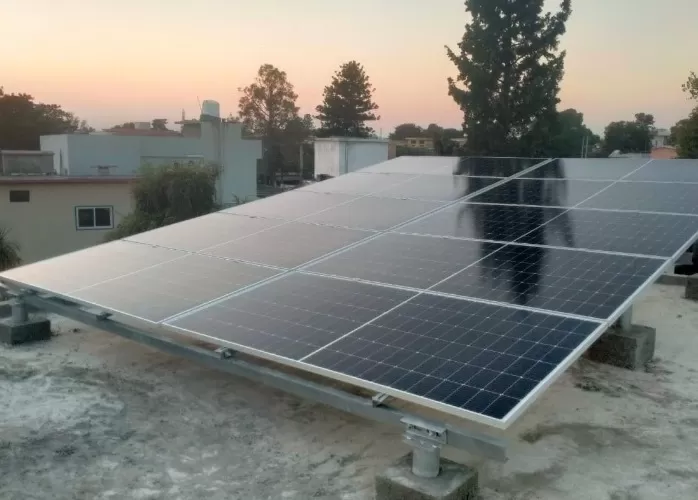
5KW and higher systems for administrative buildings and public infrastructure in Pyongyang.
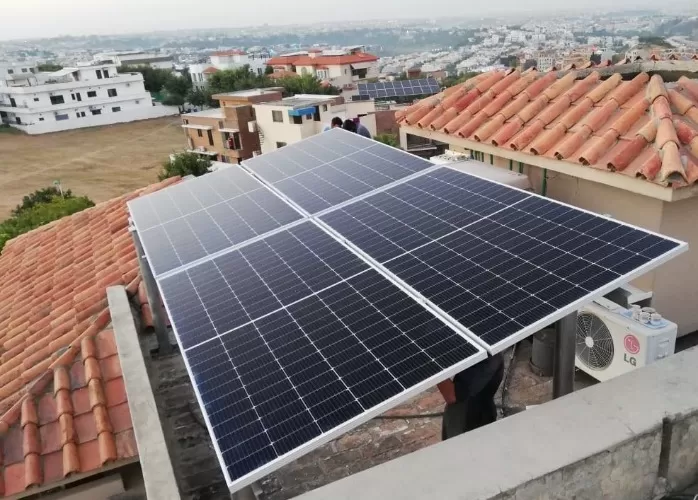
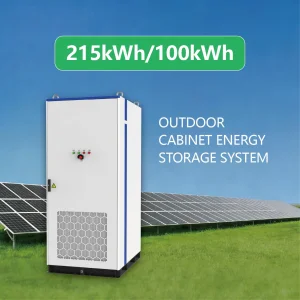
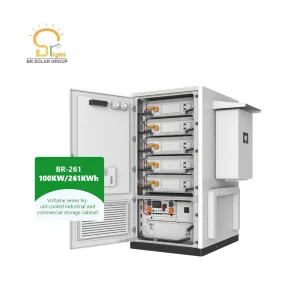
Standalone lithium-ion storage units for mineral extraction sites in remote northern provinces.
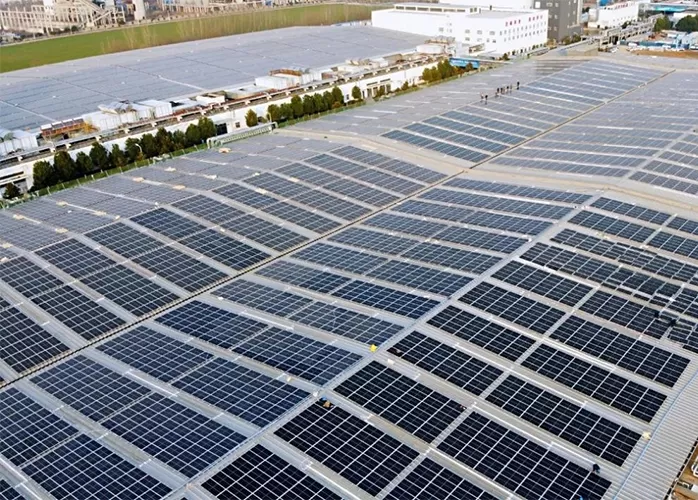
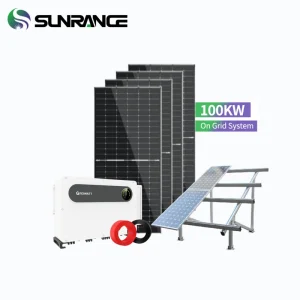
5MW+ installations designed to feed regional grids and stabilize voltage for heavy industry.
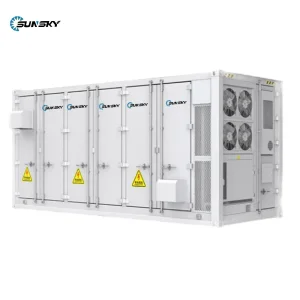
A: Yes. Our modules are tested for extreme snow loads (up to 5400Pa) and temperatures as low as -40°C. Our BESS containers feature integrated thermal management and liquid cooling to maintain optimal battery performance during winter.
A: SES Solar has extensive experience in cross-border logistics. We provide comprehensive documentation and can offer remote technical support or on-site supervision via our overseas branches to ensure correct EPC implementation.
A: Given the high cost of alternative fuels (like diesel for generators) and the productivity loss from grid outages, most industrial clients see a full ROI within 3.5 to 5 years, with a system lifespan of 25+ years.
A: Absolutely. Our R&D team specializes in tailoring hybrid inverters to match local grid parameters (typically 220V/380V at 60Hz or 50Hz variations) to ensure seamless synchronization.
 Stove Solar