The global transition toward carbon neutrality has fundamentally altered the supply chain dynamics for commercial, industrial (C&I), and utility-scale solar projects. As corporations seek to insulate themselves from volatile energy markets and meet stringent ESG (Environmental, Social, and Governance) criteria, the demand for highly reliable sustainable energy architectures has reached unprecedented heights. Sourcing solar equipment is no longer merely a transaction of purchasing individual components; it requires selecting integrated system providers capable of guaranteeing long-term energy yields, minimal degradation, and seamless compatibility.
For international procurement directors, EPC contractors, and project developers, partnering with tier-1 Chinese manufacturers has become a key strategic pillar. These manufacturing hubs offer substantial economies of scale, extensive R&D investments, and vertically integrated operations that ensure strict quality control from raw silicon wafers down to assembled battery modules. However, navigating this landscape requires analyzing several critical procurement variables:
A premier high-tech enterprise spearheading R&D, vertical silicon cell production, and global turn-key energy storage solutions from the heart of China.
As a prominent, fully integrated clean energy developer, SES Solar (also recognized under the JM Solar quality umbrella for utility developments) operates as a critical high-tech manufacturing node within the global renewable transition. Unlike assembly-only suppliers, SES Solar manages a highly sophisticated supply chain structure. The company is dedicated to continuous R&D in solar cell performance, multi-gigawatt photovoltaic panel fabrication, state-of-the-art Lithium Iron Phosphate (LiFePO4) battery chemistry, and intelligent Energy Storage Systems (ESS).
By establishing dedicated overseas branches and localized technical response teams, SES Solar ensures that engineering consultations, site layouts, grid interconnection approvals, and EPC installations are executed smoothly. The manufacturer has constructed a robust global presence, executing direct project developments alongside hardware distribution networks across the Americas, the European Union, Southeast Asia, and the Middle East.
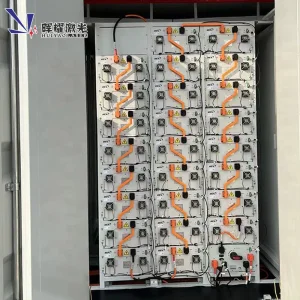
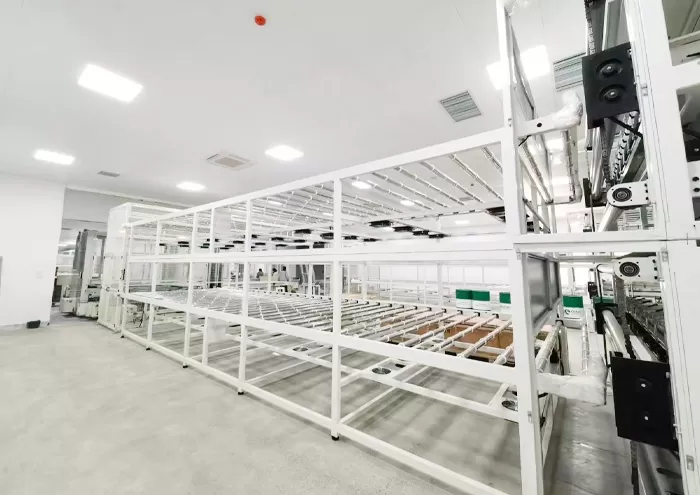
In 2022, SES Solar responded to the shifting demands of the international market by expanding its industrial footprint with a dedicated, advanced ESS gigafactory. This facility focuses on manufacturing high-cycle battery cells, smart pack configurations, and integrated commercial containerized storage systems. This strategic expansion allows SES Solar to provide clients with a fully closed-loop energy infrastructure: from initial PV harvesting via high-efficiency panels to active storage management using high-safety LiFePO4 battery banks.
Modernizing power grids through hybrid, on-grid, and off-grid utility-grade architectures designed for continuous industrial operation.

Our pre-assembled, modular system kits are specifically designed for rapid physical deployment and swift electrical integration. By minimizing complex balance-of-system cabling, we significantly lower labor overheads, shorten on-site installation timelines, and accelerate initial system activation.
We provide localized technical assistance networks, pre-emptive spare parts pools, and standardized preventative maintenance guidelines. This approach minimizes downtime, maintains system efficiency, and guarantees consistent energy output throughout the installation's lifecycle.
Our integrated cloud software platforms track system health, power output, battery states-of-charge, and historical generation patterns. This digital management system enables prompt troubleshooting and maximizes energy use efficiency.
Industrial operations require highly customized layouts depending on their regional grid reliability, electricity tariff structures, and critical load profiles. SES Solar addresses these diverse needs through three core macro-level configurations:
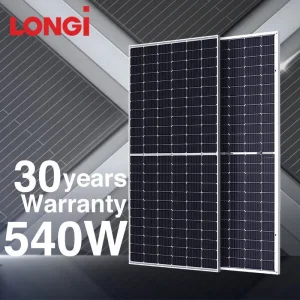
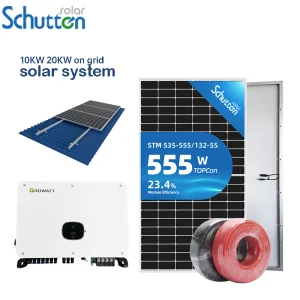
1. Utility-Scale On-Grid Architectures: For regions with net-metering incentives and robust utility grids. These systems maximize energy yield using high-capacity panels (e.g., 540W to 580W bifacial modules) connected to centralized or high-power string inverters, feeding clean electricity back to the grid to offset operating costs.
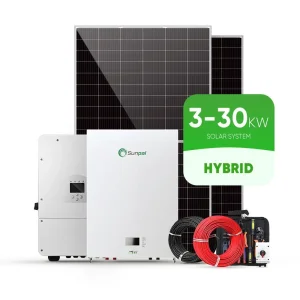
2. Hybrid Commercial Microgrids: Combining PV generation, battery energy storage (BESS), and intelligent energy management systems (EMS). These configurations are ideal for commercial complexes and manufacturing facilities seeking to shave peak demands, utilize time-of-use tariffs, and establish reliable backup power capabilities.
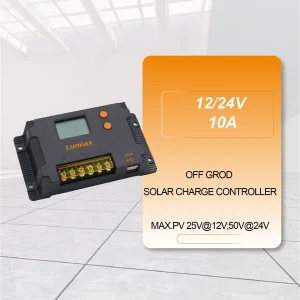
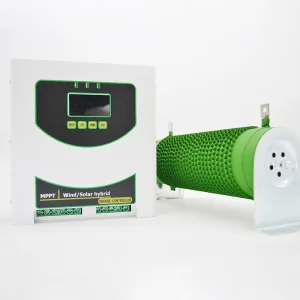
3. Off-Grid Remote Infrastructure: Deployed in isolated areas, mining sites, or agricultural operations where utility grid access is unavailable or prohibitively expensive. Combining heavy-duty photovoltaic modules, MPPT wind-solar hybrid charge controllers, and large-scale battery banks ensures reliable, continuous 24/7 power availability.
An engineering overview of next-generation cell efficiency, storage chemistry longevity, and smart balance-of-system control units.
To sustain competitive advantages in global markets, SES Solar prioritizes key technological developments in wafer chemistry, cell geometry, and energy storage architectures. The industry's shift away from conventional P-type configurations toward high-efficiency N-type technologies represents a significant step forward in solar system design.
| Technological Metric | P-Type PERC Technology | N-Type TOPCon / HJT (SES Advanced) | Sourcing & Operational Benefit |
|---|---|---|---|
| Average Cell Efficiency | 22.5% – 23.2% | 24.5% – 26.2% | Delivers higher power density, lowering balance-of-system (BoS) structural and wiring footprint. |
| First-Year Degradation | 2.0% – 2.5% | 1.0% – 1.5% | Maintains higher energy yield immediately post-commissioning. |
| Annual Degradation Rate | 0.55% | 0.40% | Ensures higher asset value and longer overall operational lifecycles. |
| Bifaciality Factor | 65% – 70% | 80% – 85% | Significantly increases backside generation on highly reflective terrains. |
| Temperature Coefficient | -0.35%/°C | -0.30%/°C | Maintains more consistent performance in hot, high-ambient desert environments. |
Beyond solar cell developments, our battery storage solutions utilize chemistry focused on safety and longevity: Lithium Iron Phosphate (LiFePO4). Compared to standard cobalt-based lithium chemistries, LiFePO4 offers superior thermal stability, zero oxygen release under physical damage, and an operating lifecycle exceeding 6,000 charge cycles at 80% Depth of Discharge (DoD). This makes it a highly reliable and safe technology for residential and large-scale industrial installations alike.
Proven deployments demonstrates our versatile engineering capabilities across diverse scales and operational requirements.
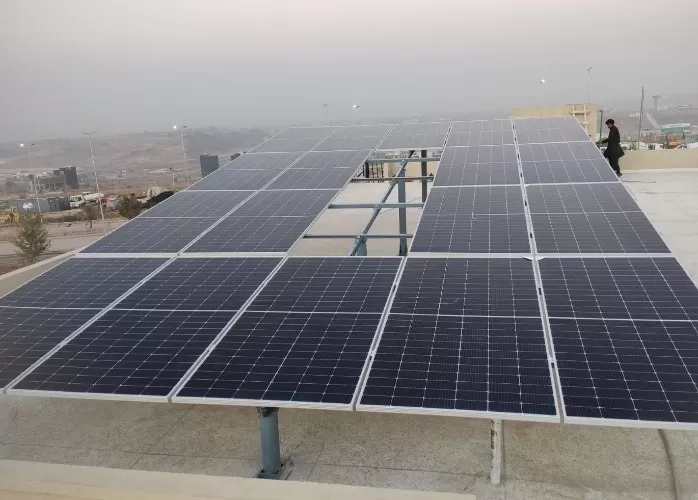
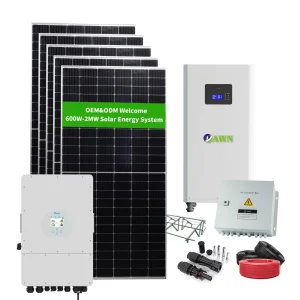
Designed for residential installations, integrating high-capacity lithium storage to ensure backup power capability and maximize self-consumption rates.
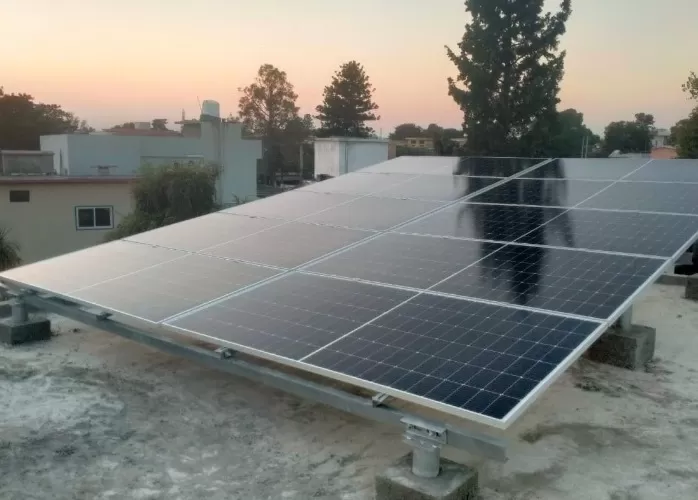
A cost-effective grid-connected installation for residential customers, utilizing smart net-metering to optimize utility bill savings.
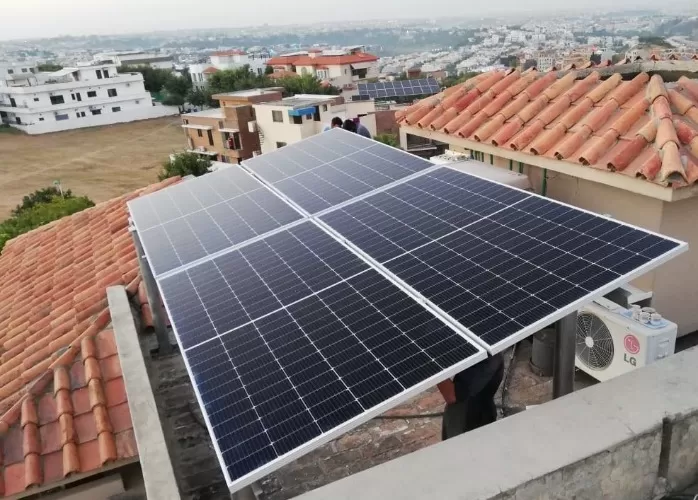
A compact, highly reliable off-grid system designed to supply dependable power to remote clinics, telecommunication posts, and field stations.
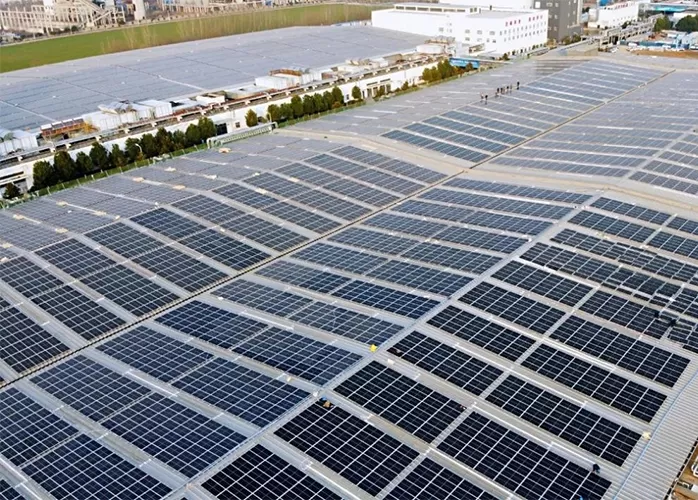
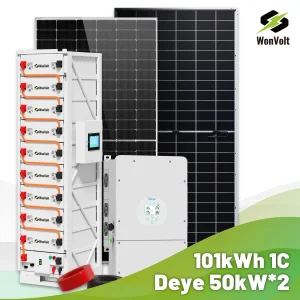
A large-scale, high-yield system engineered for manufacturing plants and corporate campuses, helping offset industrial energy costs.
Navigating different regulatory frameworks and grid codes is one of the most complex aspects of global renewable project development. Exporting hardware from China requires meeting specific international certifications to ensure product bankability and regulatory compliance.
SES Solar products undergo rigorous testing protocols to comply with global standards. Our photovoltaic modules, storage arrays, inverters, and heavy-duty cabling systems are certified under major regulatory frameworks:
TUV Rheinland / TUV SUD (IEC 61215 & IEC 61730): Certifies the structural durability, wind/snow load capacities, and electrical insulation properties of our PV panels.
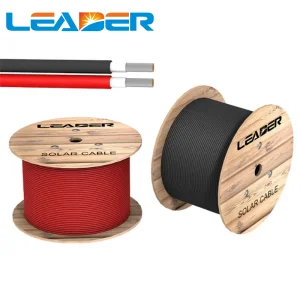
TUV EN 50618 & IEC 62930: Confirms that our high-voltage 1500V DC solar cabling is rated for extreme outdoor exposure, high-ambient temperatures, and UV degradation resistance, preventing insulation faults over long operating periods.
CE & UN38.3: Verifies the electromagnetic compatibility of our smart inverters and confirms that our LiFePO4 batteries meet international transportation safety criteria.
Furthermore, our localized engineering teams help clients navigate local grid interconnection requirements, utility application processes, and local structural building codes. We provide customized drawings, engineering documentation, and mechanical analyses to simplify the permitting process for developers.
Consult Our Engineering Office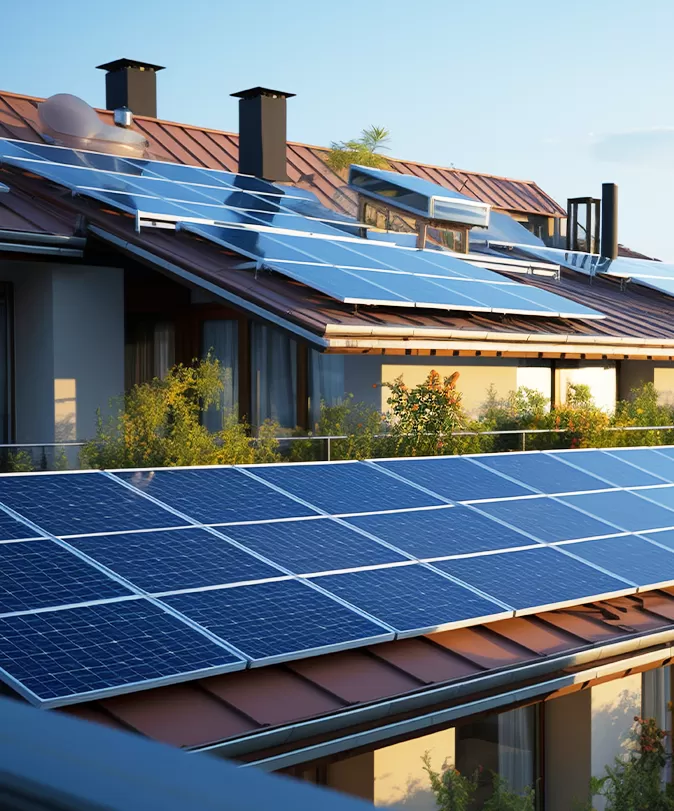
Expert answers to common engineering, procurement, and logistical questions raised by global B2B clients.
Purchasing components from a single manufacturer ensures seamless communication between the solar modules, MPPT controllers, hybrid inverters, and battery storage blocks. This compatibility helps prevent commissioning delays, simplifies warranty processes, and enables unified cloud-based system monitoring.
N-type silicon technology, such as TOPCon, provides higher cell efficiency and lower annual degradation compared to P-type modules. This results in greater lifetime power generation and higher energy yields, particularly in high-temperature or low-light conditions, helping improve the project's overall return on investment.
Importing battery storage systems requires compliance with certifications like UN38.3 for transport safety, CE declarations, and IEC 62619 for lithium safety. For the North American market, UL 1973 and UL 9540A testing certifications are typically required to meet local electrical and fire safety standards.
Yes. Our internal engineering department provides custom electrical drawings, matching system configurations for various industrial voltages (e.g., 230V split-phase, 380V/400V three-phase, or 480V/600V industrial grids), and custom-engineered structures suitable for challenging wind or snow conditions.
 Stove Solar