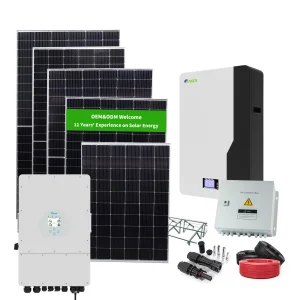
Explore our industrial-grade photovoltaic equipment engineered for heavy agricultural, desalination, and off-grid infrastructure projects.
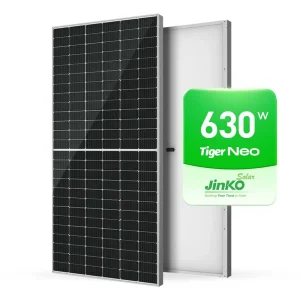
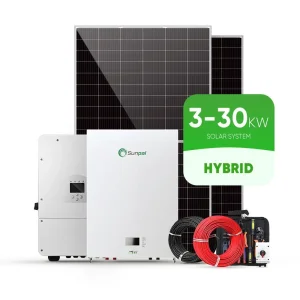
Solar water pumping systems have rapidly shifted from a niche alternative energy experiment to a global standard for agricultural irrigation, remote water management, and community drinking supplies. As the effects of climate change demand resilient and decentralized water systems, photovoltaic (PV) pumping technology offers a carbon-neutral solution that eliminates reliance on grid electricity or diesel generators.
At its core, a modern solar pumping system converts sunlight directly into electrical energy using photovoltaic arrays. This energy is processed by an advanced MPPT (Maximum Power Point Tracking) inverter, which optimizes pump performance in real-time by adjusting motor speeds according to fluctuating solar irradiance. Unlike standard AC motors, contemporary setups utilize brushless DC (BLDC) permanent magnet synchronous motors, ensuring significantly higher torque, improved thermal performance, and longer mechanical lifetimes.
From deep-well boreholes to shallow surface lift irrigation, these systems are modular, scalable, and extremely durable. In remote geographical zones where diesel transport costs are prohibitive, the return on investment (ROI) for a solar-powered water installation can be achieved in less than two years, providing reliable off-grid water Security.
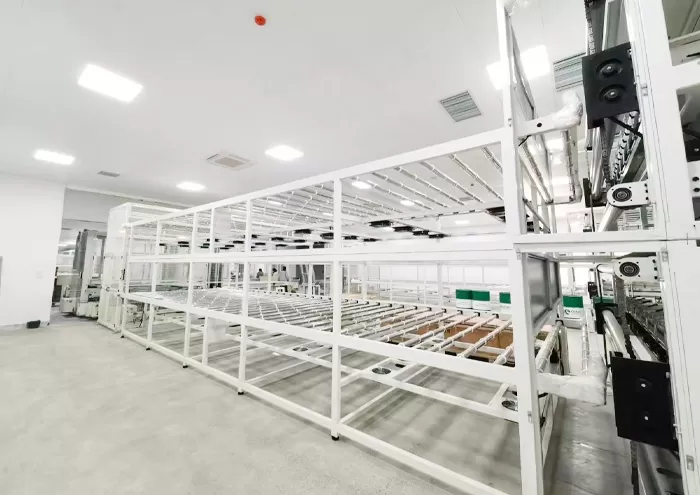
Why Tier-1 global procurement managers turn to Chinese manufacturing hubs for industrial solar pump systems.
China's PV ecosystem clusters place raw raw-materials, wafer fabs, silicon refining, high-precision DC motors, and CNC pump assembly within close proximity. This vertical integration drastically reduces lead times and logistics friction.
Chinese manufacturers have pioneered major innovations in intelligent variable frequency drives (VFD), sensorless vector control algorithms, and integrated hybrid inputs (auto-switching between solar power, batteries, and utility grid).
Top-tier Chinese factories offer products fully compliant with global testing regimes, carrying TUV Rheinland, CE, UL, RoHS, and ISO9001 certifications. This ensures drop-in compatibility for municipal tenders globally.
Understanding the technological shifts reshaping off-grid water management and distribution.
The global solar pumping market is undergoing a profound shift from analog, hard-wired configurations to highly integrated, software-defined ecosystems. One of the most prominent trends is the adoption of IoT-enabled remote monitoring platforms. Utilizing 4G/5G and LoRaWAN networks, fleet managers can monitor water output, flow rate, dry-run events, and PV efficiency metrics directly from cloud dashboards, eliminating manual inspection costs in remote sites.
Another major trend is the development of ultra-wide voltage MPPT range pump controllers. These smart inverters allow pumps to begin operating much earlier in the morning and cease much later in the evening, capturing weak sunlight. Combined with advanced helical rotor designs, modern pumps are achieving operational efficiencies previously deemed impossible under low-light conditions.
Additionally, hybridization is becoming standard. Rather than sizing a system purely for worst-case winter irradiance (which leads to costly solar over-sizing), modern systems use automated dual-source hybrid control. In critical situations, the controller automatically blends a minimal amount of grid or diesel generator power with the available solar yield, ensuring constant water flow while maximizing solar savings.
Finally, environmental regulations are driving manufacturers to replace all oil-filled pump motors with water-cooled, eco-friendly motors. This prevents the risk of contamination in deep wells used for drinking water, aligning with strict environmental, social, and governance (ESG) standards required by international financing agencies.
How technical layouts are adjusted to meet unique climate and geographical challenges.
In regions like Central Asia and North Africa, high evaporation rates require synchronized drip irrigation systems. Solar pumps are programmed to deliver water directly to storage tanks during peak sun hours, allowing gravity-fed nighttime irrigation that minimizes evapotranspiration.
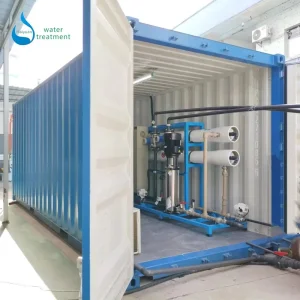
For coastal and island communities with limited freshwater reserves, integrated solar RO systems (utilizing robust components like the Containerized Solar Mobile Borehole system) process high-salinity seawater into potable water, utilizing solar pressure feeds to minimize power losses.
In the vast rangelands of Australia and South America, livestock watering stations require fail-safe operations. High-head helical rotor pumps draw water from deep boreholes into remote reservoirs, controlled by automated water-level switches and dry-well sensors.
SES Solar, a professional solar integrated manufacturer and solution provider in China, is a high-tech enterprise dedicated to R&D of solar modules, on/off/hybrid solar systems, lithium batteries, and ESS. With overseas branches and a professional team in support, SES Solar not only manufactures solar products but also designs, invests in, and installs solar systems across the Chinese mainland.
We have invested in 100MW of solar systems, with our solar cell factory capacity exceeding 35GW and our solar panel factory capacity surpassing 1GW. In 2022, SES Solar invested in their ESS factory, further expanding our capabilities and offerings in the solar industry.
We provide a comprehensive suite of solar PV solutions that can optimize a wide range of project applications.

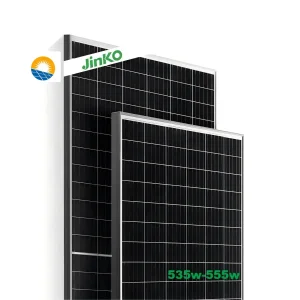
Streamlined mounting structures reduce assembly time by 40%.
The industry's most comprehensive repair, maintenance, and monitoring program.
Cloud-based software telemetry tracking daily yield and pump metrics.
Demonstrating global reliability across residential, commercial, and utility-scale installations.
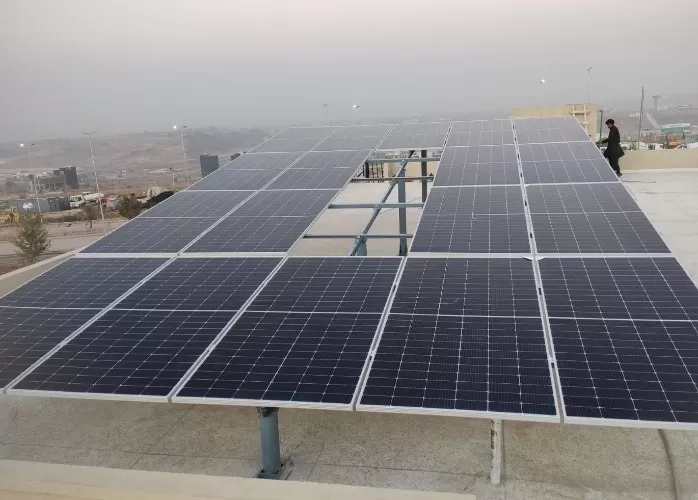
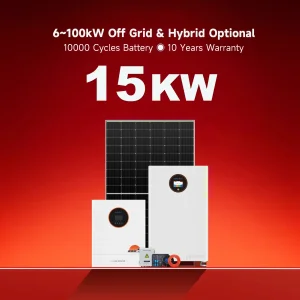
10KW hybrid solar system with energy storage integration.
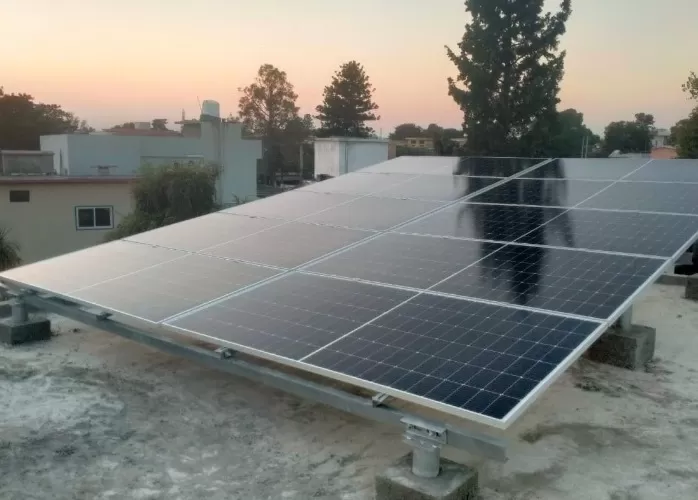
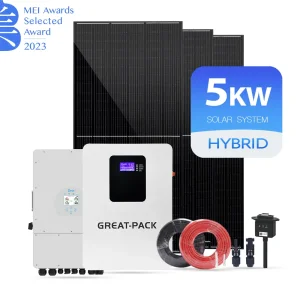
5KW on-grid solar system optimized for utility offsetting.
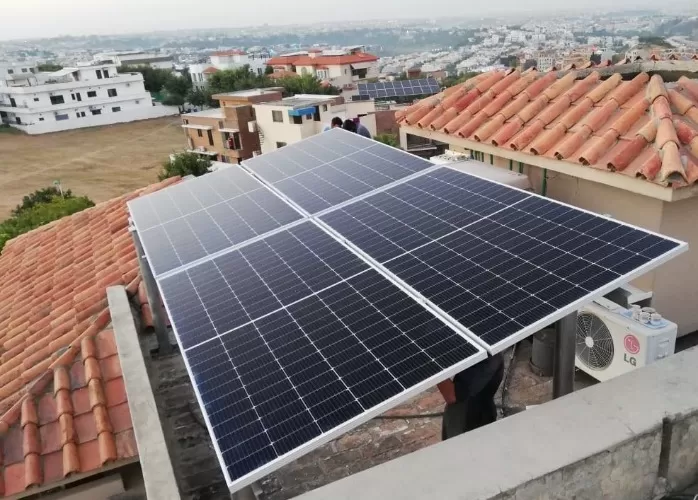
2KW off-grid solar system with localized battery storage.
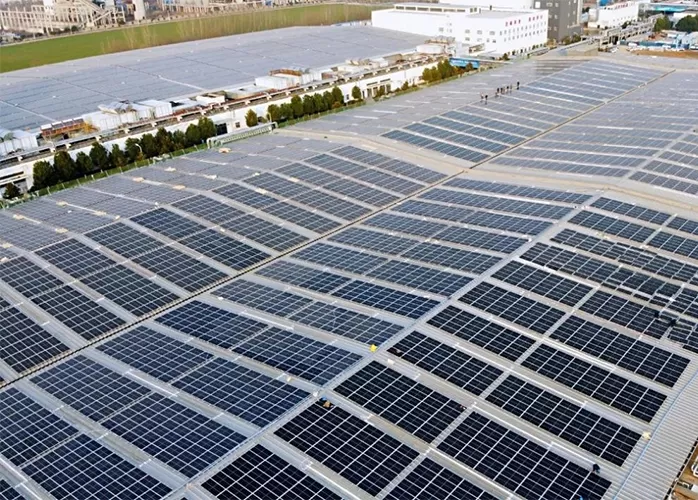
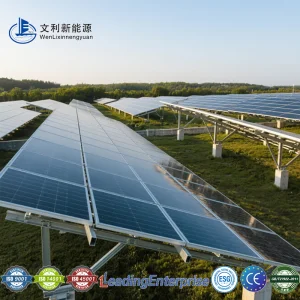
5MW large-scale photovoltaic grid injection deployment.
Connect directly with our technical team to size your agricultural pump, mounting arrays, and inverter requirements.
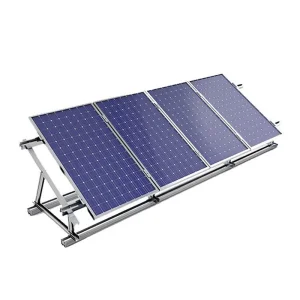
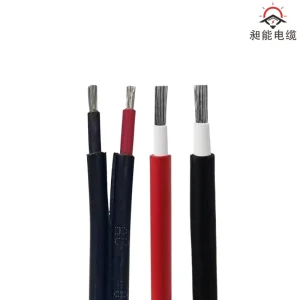
Complete your design with certified, heavy-duty installation components engineered to withstand extreme environment elements.
Procuring an industrial-grade solar water pumping system demands accurate math and high-integrity hardware sizing. A mismatch in sizing calculations can lead to system failures, pump dry-runs, or motor burnouts. Technical purchasing teams must evaluate three main core calculation metrics:
The TDH is the total equivalent height that the water must be pumped, combining vertical lift (static head), friction losses inside the pipelines based on flow rate, velocity, pipeline diameter, and any pressure losses through filters or fittings. Under-estimating TDH will result in zero discharge at the discharge point, while over-estimating leads to wasted solar array expenditure.
Daily volume demands must be matched against average regional Peak Sun Hours (PSH). For instance, an agricultural system requiring 50m³ of water per day in a location with 5 PSH must be calculated for a continuous pumping rate of at least 10m³ per hour. A system sizing checklist must include:
B2B buyers face a vital choice between Brushless DC (BLDC) and standard AC Induction motors. BLDC motors offer up to 90% peak efficiency and are perfect for applications up to 3kW (4HP). For high-volume municipal or heavy-duty irrigation demands (exceeding 7.5kW/10HP), robust 3-phase AC pumps driven by industrial solar variable frequency drives (VFD) remain the industry standard due to lower cost per horsepower and easy serviceability in remote regions.
Answers to technical, operational, and commercial questions raised by international procurement engineers.
 Stove Solar