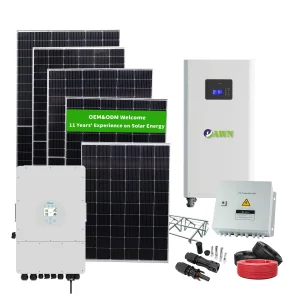
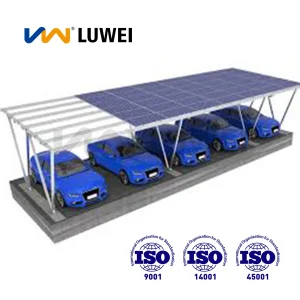
Explore our premium high-efficiency solar modules, hybrid systems, and components tailored for residential and industrial deployment.
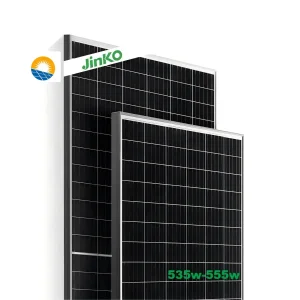
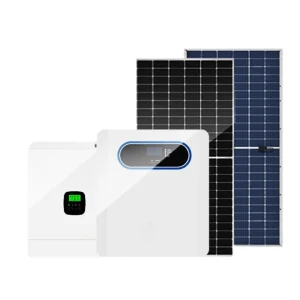
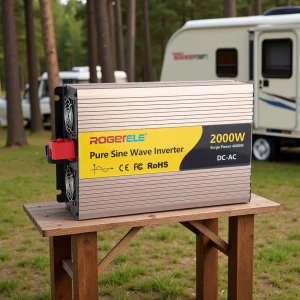
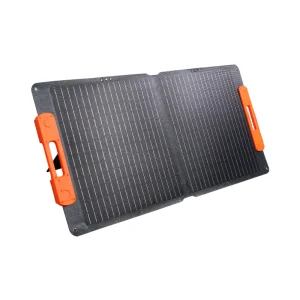
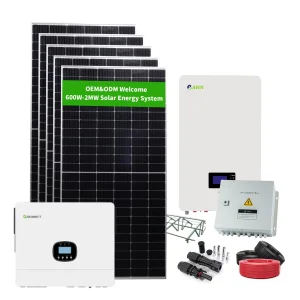
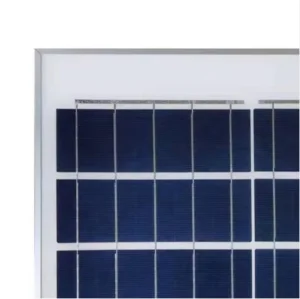
Welcome to SES Solar, an industry-leading integrated photovoltaic manufacturer and turnkey clean energy solution provider based in China. As a national high-tech enterprise, SES Solar dedicates its research, development, and engineering capacity to advancing high-efficiency solar modules, comprehensive on-grid, off-grid, and hybrid solar systems, advanced lithium-ion battery architectures, and utility-scale Energy Storage Systems (ESS).
By establishing strategic overseas branches and maintaining an agile, multilingual technical support network, SES Solar bridges the gap between state-of-the-art manufacturing and localized engineering execution. Beyond acting as a pure-play product manufacturer, we actively design, invest in, commission, and maintain comprehensive solar installations across the mainland and globally, ensuring our clients achieve long-term levelized cost of energy (LCOE) optimization.
An authoritative analysis of modern PV technologies, supply chain dynamics, and localized utility optimization.
The global solar energy sector is undergoing a rapid technological migration from legacy p-type Passivated Emitter and Rear Cell (PERC) architectures to advanced n-type cell configurations. This evolution is primarily driven by the thermodynamic efficiency limitations of p-type silicon wafers. Modern utility-scale solar projects demand modules with higher bifaciality factors, lower temperature coefficients, and negligible degradation rates.
Tunnel Oxide Passivated Contact (TOPCon) cells employ an ultra-thin silicon oxide layer combined with heavily doped polycrystalline silicon. This design dramatically minimizes surface recombination, elevating practical cell efficiency levels beyond 25.5% while utilizing existing manufacturing pipelines with moderate upgrades.
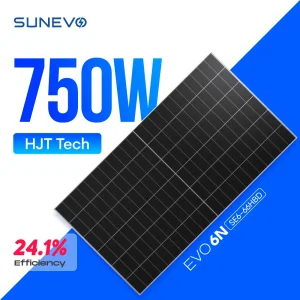
HJT integrates thin layers of amorphous silicon on both sides of a crystalline silicon wafer. The resulting interface produces an exceptionally high open-circuit voltage (Voc) and a bifaciality factor exceeding 85%, ensuring optimal energy harvesting under diffuse, low-light, and high-temperature conditions.
Traditional PERC cell conversion efficiency is capped at approximately 24.5% due to intrinsic recombination losses. Transitioning to N-type platforms solves the historical Light Induced Degradation (LID) and LeTID issues, protecting capital investments over 30-year life cycles.
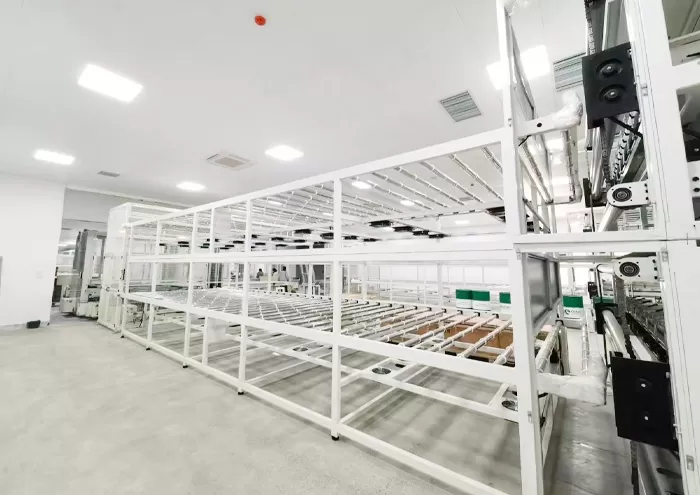
The unprecedented cost competitiveness and rapid scale-up of solar technology over the past decade are rooted in the concentrated efficiency of Chinese solar industrial clusters. SES Solar leverages these geographic and structural benefits, operating a 35GW solar cell facility and a dedicated 1GW module assembly plant within these optimized ecosystems. Vertical integration is the cornerstone of our strategy, minimizing transaction costs and standardizing quality control across every production step.
From raw material processing (ingot casting and wafer slicing via diamond-wire technology) to thin-film deposition, cell metallization, and final double-glass lamination, the entire supply chain is geographically co-located. This layout mitigates international transport bottlenecks and ensures immediate access to key raw materials. Crucially, our 2022 expansion into dedicated Energy Storage System (ESS) manufacturing guarantees seamless compatibility between our power generation hardware and intelligent battery management units.
Over the next ten years, the role of solar installations will shift from passive, grid-dependent power sources to active grid-supporting nodes. The future lies in the complete convergence of photovoltaic generation, electrochemical storage, and software-defined power management:
For commercial enterprises, factory complexes, and institutional facilities, solar installations represent a direct reduction in operating costs and a hedge against utility price volatility. SES Solar designs tailormade C&I solutions utilizing high-power bifacial modules and modular energy storage:
During periods of peak electricity pricing, the integrated ESS discharges stored solar energy, lowering the facility's demand charge and flattening the load profile.
For manufacturing environments where voltage dips or blackouts damage equipment and halt production lines, hybrid systems act as uninterruptible power supplies (UPS).
In municipal jurisdictions where grid injection is limited or barred, smart hybrid inverters throttle output or redirect excess power to thermal systems or battery banks.
Standard solar designs often struggle under extreme weather and varying geographical conditions. SES Solar addresses this through tailored mechanical designs and optimized materials:
Deploying photovoltaic systems requires navigating complex, region-specific electrical standards and safety codes. SES Solar ensures international market access by building our products to satisfy the most rigorous testing benchmarks:
Our solar modules and inverters are certified under IEC 61215 (design qualification and type approval) and IEC 61730 (photovoltaic module safety qualification). For North American markets, our equipment carries UL 1741 and UL 1973 approvals, certifying safe grid-interactive operation and lithium-ion battery integration. By securing CE, TÜV, and ISO 9001 certifications, we assure EPC firms, developers, and local utilities that our systems will operate reliably and safely over their intended lifespan.
SES Solar provides a versatile suite of photovoltaic installations designed to maximize capital performance across multiple applications.

We supply plug-and-play mounting brackets, standardized cabling configurations, and pre-commissioned inverter systems to lower on-site labor times and prevent installation errors.
Our operations feature comprehensive system diagnostics, real-time performance monitoring, and rapid parts replacement programs to maximize system uptime.
Our technical team customizes structural and electrical layouts, matching systems to specific structural loads, local wind profiles, and regional grid criteria.
Our engineering and service model is optimized to support projects from preliminary feasibility studies through installation, commissioning, and operations.
A showcase of residential and utility-scale installations executed using SES Solar components and systems.
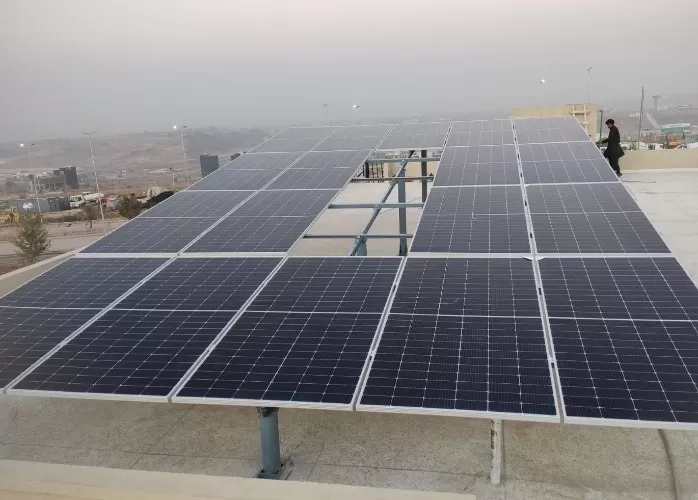
10KW hybrid solar system with integrated battery storage, ensuring residential energy security and peak price protection.
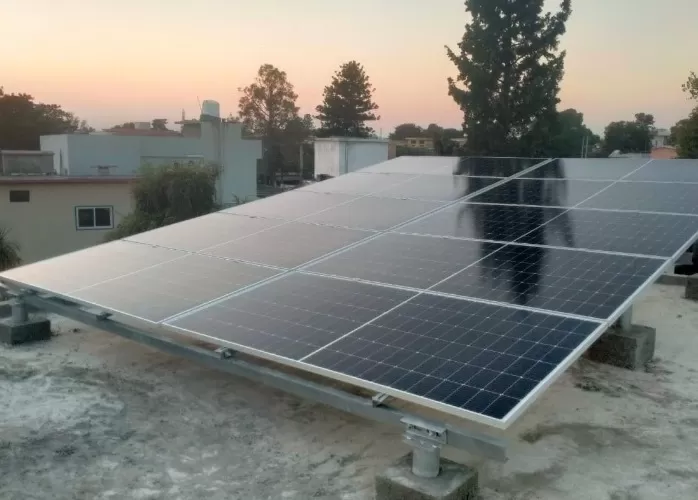
5KW on-grid solar system designed for high net-metering yields in suburban communities.
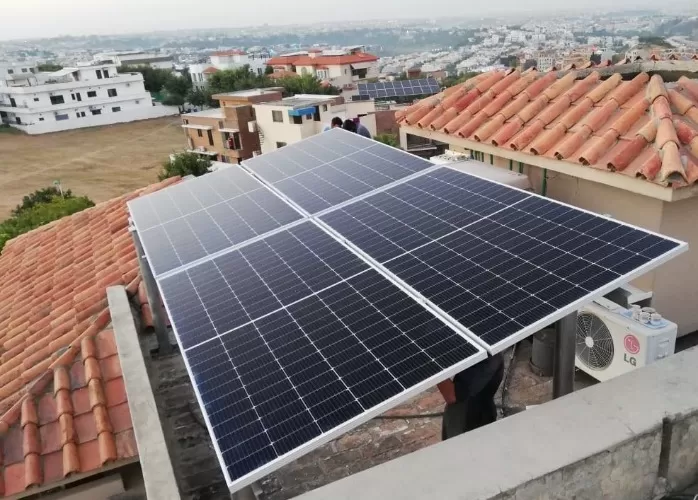
2KW off-grid solar system providing consistent, independent power to off-grid cabins and telecommunication towers.
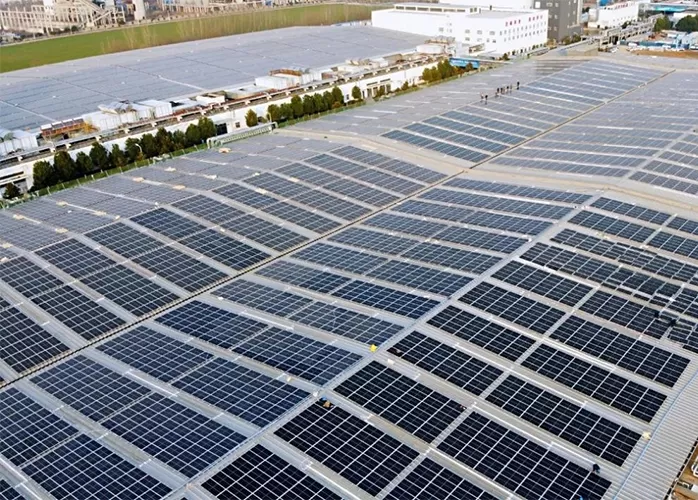
5MW industrial-scale solar plant designed to lower operating expenses for a large-scale manufacturing facility.
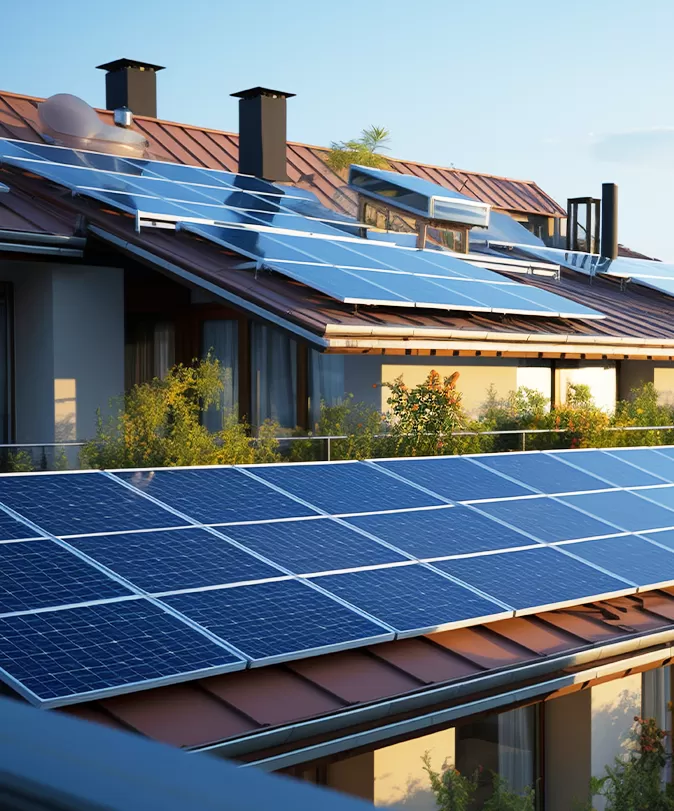
Essential guidance on system design, technology selection, and financial payback for solar projects.
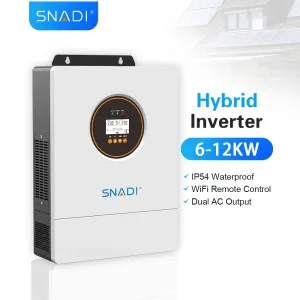
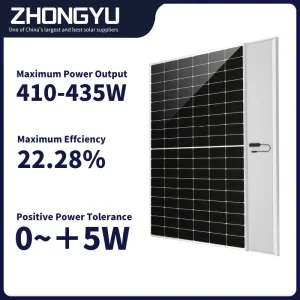
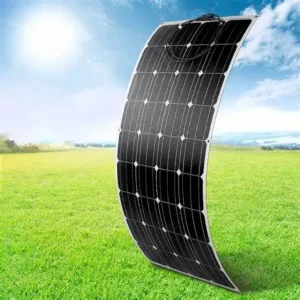
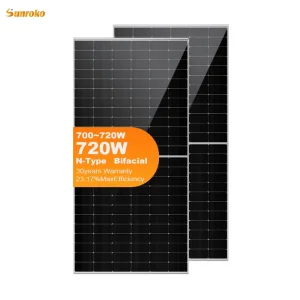
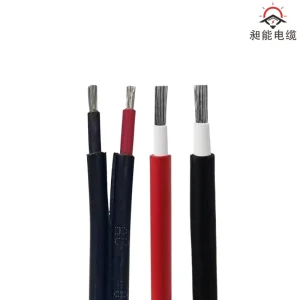
Complete your installations with high-efficiency inverters, heavy-duty outdoor cables, and specialized structural systems.
 Stove Solar