Engineered for maximum power conversion efficiency and long-term durability in utility, commercial, and residential scale installations.
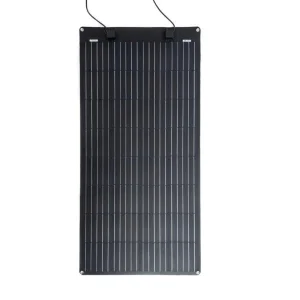
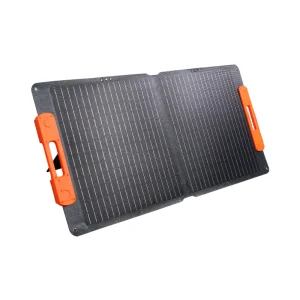
As global energy systems rapidly transition towards deep decarbonization, solar PV technology has moved beyond simple cell manufacturing. Today's commercial, industrial (C&I), and utility-scale projects demand integrated solutions that guarantee maximum levelized cost of energy (LCOE) reduction, unparalleled grid-compatibility, and operational resilience over 25+ year lifespans.
In this whitepaper, we dissect the state of the industry, highlighting the global supply chain dynamics, technical parameters, and procurement standards defined by the Top 10 solar component manufacturers. As an industry-leading integrated manufacturer, SES Solar stands at the forefront of this evolution, combining robust R&D with Gigawatt-scale production capabilities to deliver reliable turnkey energy systems.
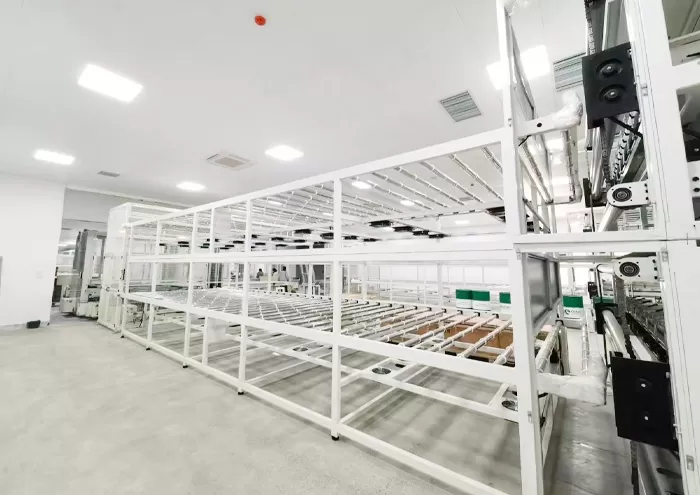
Empowering global projects through massive infrastructure investment and deep manufacturing vertical integration.
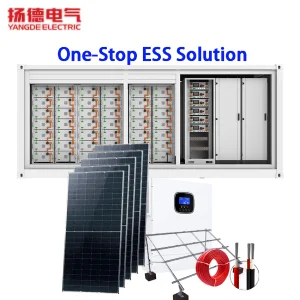
Advanced Integration capabilities: In 2022, SES Solar further optimized its technological ecosystem by investing in a dedicated ESS (Energy Storage System) factory. This strategic vertical integration enables the custom-design and localized supply of highly engineered microgrid solutions, hybrid systems, and commercial battery storage units directly to developers worldwide.
How technological shifts in PV module design and storage chemistry are redefining project economics.
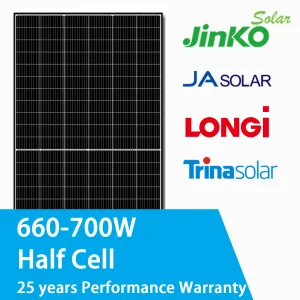
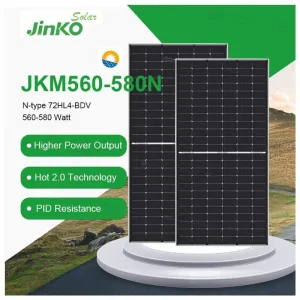
The industry is undergoing a massive shift from traditional P-type PERC cells to N-type TOPCon (Tunnel Oxide Passivated Contact) and Heterojunction (HJT) technologies. These advancements reduce temperature coefficients, mitigate Light-Induced Degradation (LID), and push conversion efficiency beyond 22.5%, maximizing power generation per square meter.
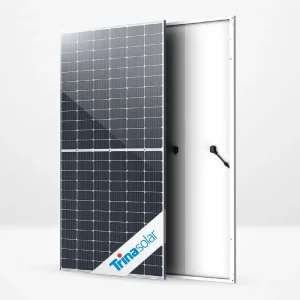
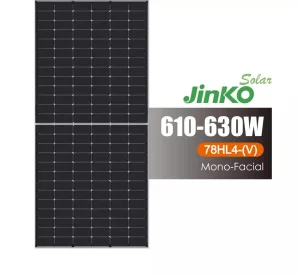
Double-glass, bifacial PV modules harvest reflected albedo light from the ground, boosting yield by up to 25%. When coupled with smart single-axis tracking systems and low-loss MPPT controllers, these components substantially lower the Levelized Cost of Electricity (LCOE), making solar the most financially viable energy source.
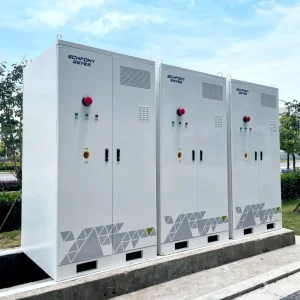
Intermittent generation is solar's biggest bottleneck. Utility-scale battery energy storage systems (BESS) based on Lithium Iron Phosphate (LFP) chemistry provide peak shaving, frequency regulation, and back-up power, stabilizing grid networks while enabling complex off-grid applications.
Key parameters for procurement professionals and project developers looking for bankable equipment suppliers.
Real-world deployment cases demonstrating the performance of our integrated solar architectures under diverse environmental conditions.
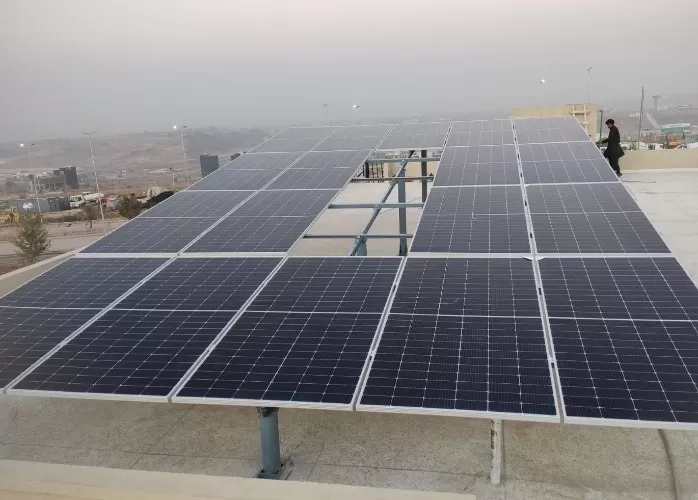
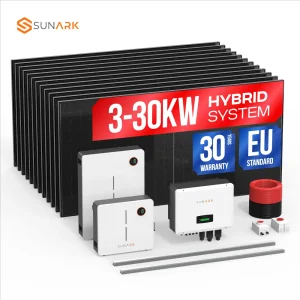
Designed for high-performance residential applications, combining high-efficiency PV modules with smart hybrid inverters and storage batteries. Ensures grid independence and uninterrupted backup power during blackouts.
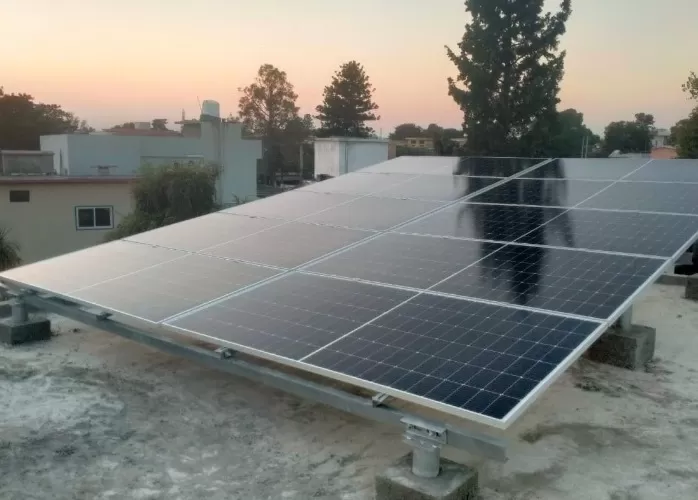
A highly optimized on-grid system developed to offset utility grid consumption. Configured with smart micro-inverters for panel-level diagnostic tracking, delivering maximum energy yield with minimal maintenance.
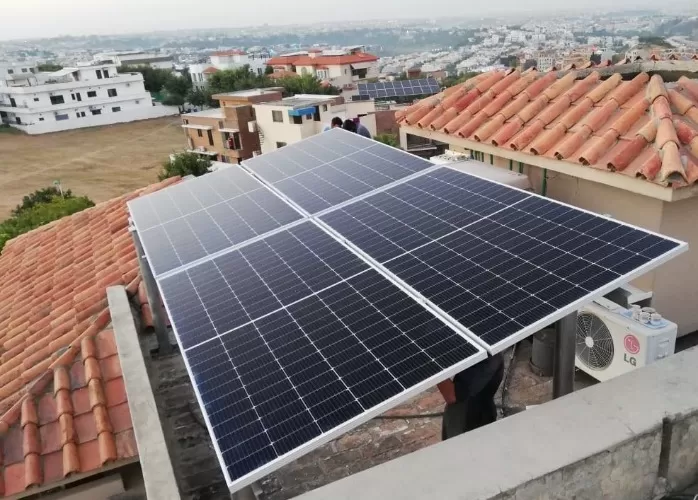
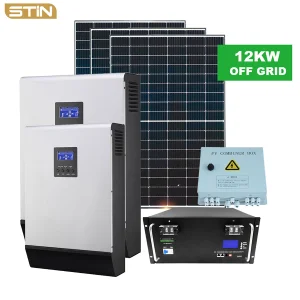
An ideal standalone solution for remote telemetry, agricultural pumps, and cabins. Equipped with a heavy-duty MPPT solar charge controller to handle intense environmental exposure and unstable loads.
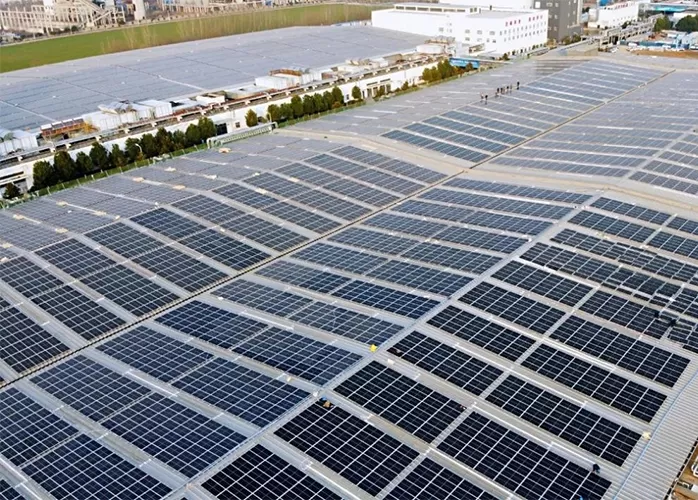
A full-scale ground-mounted utility PV plant utilizing high-efficiency bifacial solar panels and centralized containerized inverter units. Engineered and invested by SES Solar to maximize green asset performance.

At SES Solar, we recognize that every installation site faces unique logistical and operational constraints. We specialize in tailoring custom solutions from cell selection to BESS container design, ensuring standard compliance across multiple international jurisdictions.
Navigating global regulations, technical grid compliance, and asset operations.
To interconnect safely with local utility grids, solar power plants must comply with stringent regulations. Our systems are certified under international standards including CE, TUV, IEC 61215/61730, UL 1741, and IEEE 1547, guaranteeing hassle-free grid synchronization.
Our global branch offices and support partners provide local system configuration, installation supervision, and commissioning assistance. This minimizes communication lag and operational delays, ensuring seamless execution on site.
Enjoy peace of mind with 12 to 15-year materials warranties and a 25 to 30-year linear power output performance warranty on our premium tier modules. We also offer standard operation and maintenance protocols to sustain peak system yield.
Expert technical answers addressing common procurement and installation queries.
On-Grid Systems are connected directly to the utility grid, exporting excess energy to earn net-metering credits, but they shut down during blackouts for safety reasons.
Off-Grid Systems operate entirely independently of the grid, storing power in batteries to sustain loads during the night or overcast weather.
Hybrid Systems combine both, providing grid connectivity alongside battery storage to guarantee load resilience during utility outages while optimizing financial savings based on Time-of-Use tariffs.
Monocrystalline panels are manufactured using single-crystal silicon, yielding higher efficiency (typically 20-22%+) and a superior temperature coefficient compared to polycrystalline alternatives (which hover around 15-18% efficiency). Although initial capex is slightly higher, monocrystalline technology yields a significantly lower LCOE and shorter payback period, making it the preferred standard for modern projects.
LFP chemistry features high thermal stability, eliminating the risk of thermal runaway associated with older NMC chemistries. Additionally, LFP delivers a significantly longer lifecycle, typically exceeding 6,000 charge-discharge cycles at 80% Depth of Discharge, which reduces long-term operational costs and equipment replacement cycles in BESS installations.
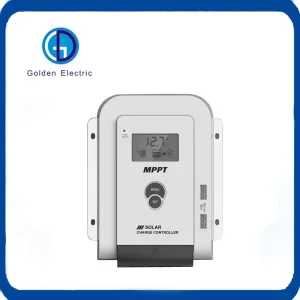
Maximum Power Point Tracking (MPPT) dynamically scans the voltage and current output of the PV array to find the optimal charging point. This allows the system to convert excess panel voltage into battery charging current, yielding up to 30% higher efficiency than traditional PWM (Pulse Width Modulation) controllers under fluctuating solar irradiance levels.
Pre-engineered components designed for standard compliance, fast field installation, and peak performance.
 Stove Solar