As a leading Chinese solar integrated manufacturer and end-to-end BESS (Battery Energy Storage System) solution provider, SES Solar has structured its business model around state-of-the-art technological advancement and reliable engineering operations. Operating as a recognized high-tech enterprise, we direct specialized R&D efforts towards solar modules, hybrid systems, high-density lithium-ion battery integration, and custom-designed Energy Storage Solutions (ESS).
By blending our core manufacturing processes with international deployment networks, SES Solar supports grid-interactive projects across Europe, APAC, Latin America, and Africa. We do not merely construct energy hardware; we design, model, finance, and implement complete utility-scale and commercial systems. This ensures that every component is fully compatibility-matched, minimizing field failures and maximizing project performance lifetimes.
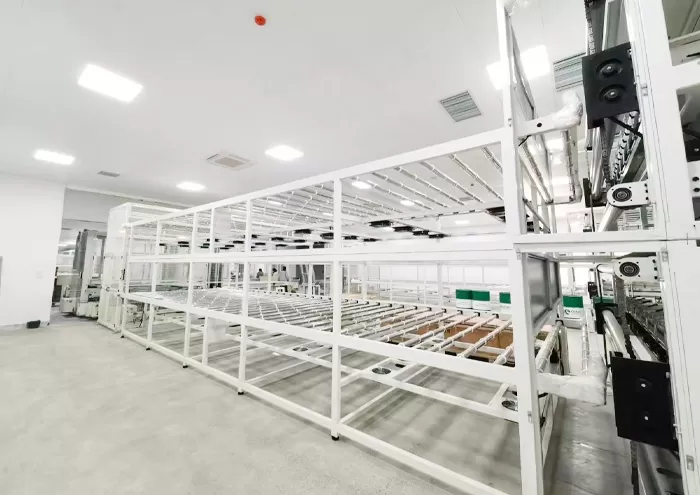
Providing the supply chain resilience required for megawatt-scale deployments and multi-year contract security.
An engineering analysis of Chinese supply chain dynamics, thermal runaway mitigation, and localized compliance standards.
The concentration of lithium extraction, cell chemistry manufacturing, and assembly clusters in China provides unparalleled economic and technical efficiency. By locating our production lines directly adjacent to key raw material hubs, we offer competitive CAPEX while enforcing strict quality parameters. This structural advantage insulates global buyers from supply disruptions and excessive component premiums.
We utilize Lithium Iron Phosphate (LiFePO4) as our primary chemistry due to its superior safety, long cycle life, and thermal stability. Our battery energy storage solutions (BESS) integrate active liquid-cooling plates alongside smart BMS monitoring to maintain cell temperatures within the optimal 20-30°C window. This setup actively mitigates thermal runaway risks and guarantees system longevity over 6,000+ cycles.
Navigating complex international standards is a core competence of our engineering department. Our systems are pre-engineered to achieve certification compliance across multiple jurisdictions, including UL 9540A (unit level thermal runaway test), UL 1973, IEC 62619, and UN38.3. This rigorous compliance allows for seamless permitting, grid interconnection approval, and localized commercial insurance sign-offs.
Hardware requires smart orchestration to deliver optimized financial returns. Our solutions integrate proprietary Energy Management Systems (EMS) that sync directly with the Power Conversion System (PCS). Using advanced load-prediction algorithms, the EMS manages peak load shifting, dynamic grid injection, and real-time frequency response automatically based on localized electricity pricing models.
The global transition from centralized, fossil-fueled generation to decentralized, weather-dependent renewable energy has made storage capacity the critical link in the energy value chain. Grid operators face growing challenges from high solar penetration, resulting in the famous "duck curve" where peak production does not match peak demand. High-capacity, rapid-response BESS installations act as buffer systems that stabilize frequency, absorb surplus energy, and shave peak demand. For commercial and industrial (C&I) enterprises, storing lower-cost solar electricity during daytime hours to run machinery at night offsets peak energy rates and improves operational resilience.
Evaluating a BESS factory requires a deep understanding of upstream supply chains. China produces over 70% of the world's lithium-ion battery cells and controls a significant share of the refining capacity for lithium, cobalt, manganese, and graphite. SES Solar leverages these geographic advantages to secure raw materials directly from key partners, insulating projects from global pricing volatility. Furthermore, the cluster of electronics manufacturers and power electronic engineers in Zhejiang, Guangdong, and Jiangsu enables rapid R&D cycles, prototype validation, and scale production. This integration allows us to offer custom-configured systems—including containerized BESS, active liquid-cooling modules, and high-voltage string inverters—at competitive price points.
Thermal management is the single most critical factor in preventing cell degradation and mitigating fire hazards. Traditional air-cooled systems often create localized thermal hotspots within a battery pack, leading to uneven cell aging and localized cell failures. SES Solar's latest utility-grade storage racks utilize closed-loop liquid cooling systems. By circulating a water-glycol coolant directly through specialized cooling plates, we maintain the temperature difference between any two cells below 2.5°C. This temperature control reduces auxiliary power draw by up to 30% compared to heavy-duty AC air cooling systems, while extending the overall operational life of the batteries by roughly 20%.
Deploying a solar-plus-storage project requires navigating regional utility requirements and local building codes. In the United States, compliance with NFPA 855 determines separation distances, fire protection systems, and containment details. In Europe, grid codes such as G99 (UK) and VDE-AR-N 4110 (Germany) dictate low-voltage ride-through (LVRT) and reactive power response profiles. SES Solar works closely with regional EPC partners to provide custom configuration engineering, ensuring our control settings and safety systems match local grid requirements. Our overseas offices and engineering teams support clients during commissioning, grid testing, and long-term operations.
Work directly with our engineering team to design customized battery racks, selection of PCS units, and EMS controls tailored for your regional grid profile.
Explore our custom solar and energy storage systems installed worldwide, designed to maximize return on investment.
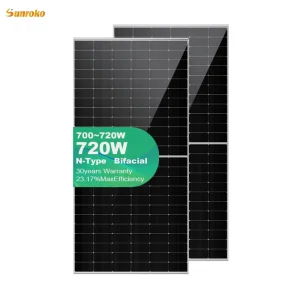
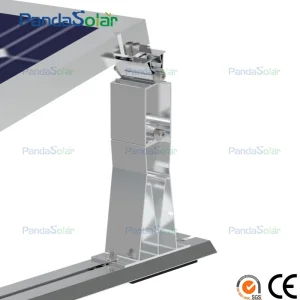
SES Solar provides a comprehensive suite of solar PV solutions designed to optimize a wide range of project applications. Leveraging our 16 years of solar marketing and EPC experience, we build systems that combine cell manufacturing, structural mounting design, and battery storage integration into unified, reliable installations.

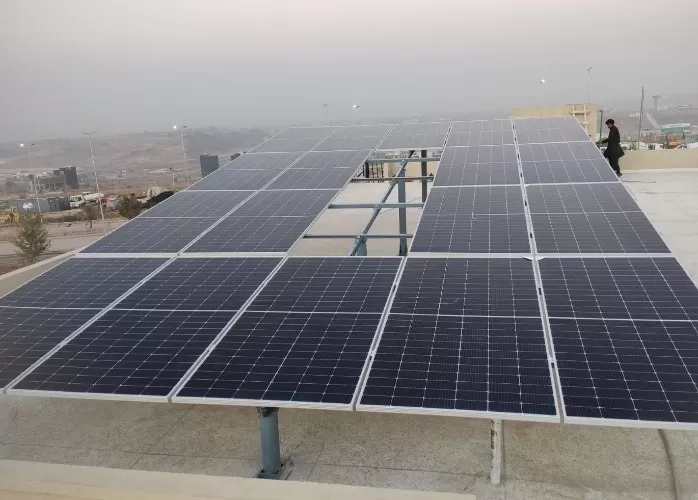
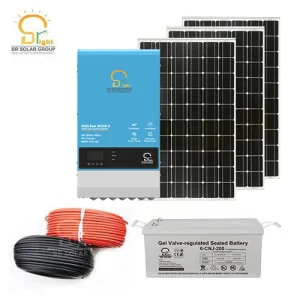
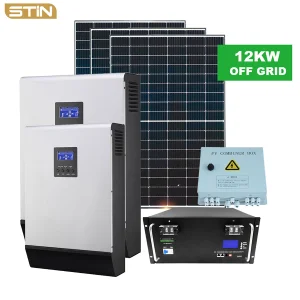
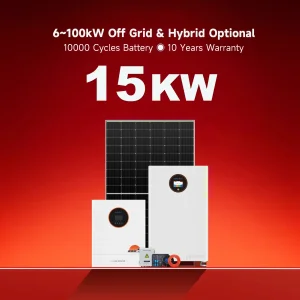
A complete 10KW hybrid solar system with integrated battery storage, delivering self-sufficiency and clean power backups for luxury residential applications.
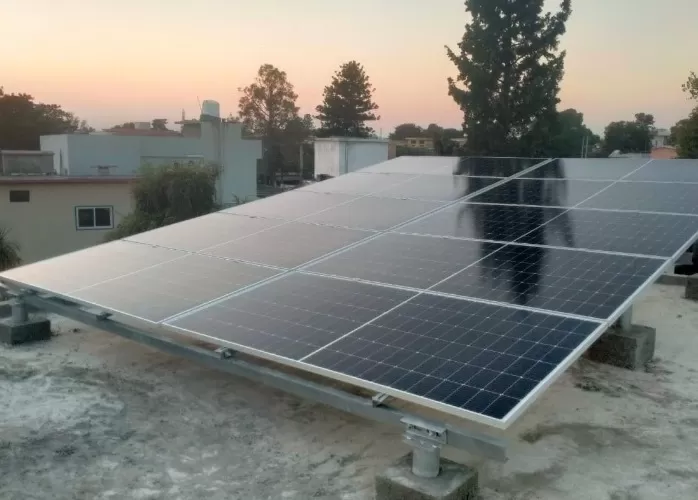
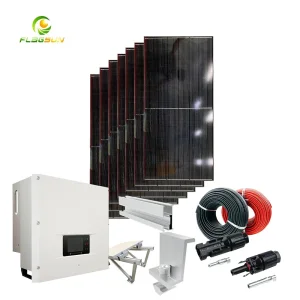
A customized 5KW grid-tied residential solar system designed to lower daily electricity costs and inject surplus green energy back into local distribution lines.
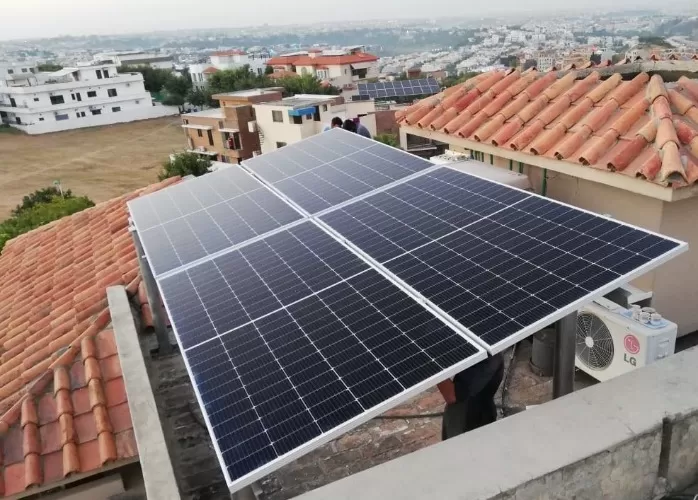
An independent 2KW off-grid solar system optimized for rural residences, ensuring reliable off-grid energy storage without utility access.
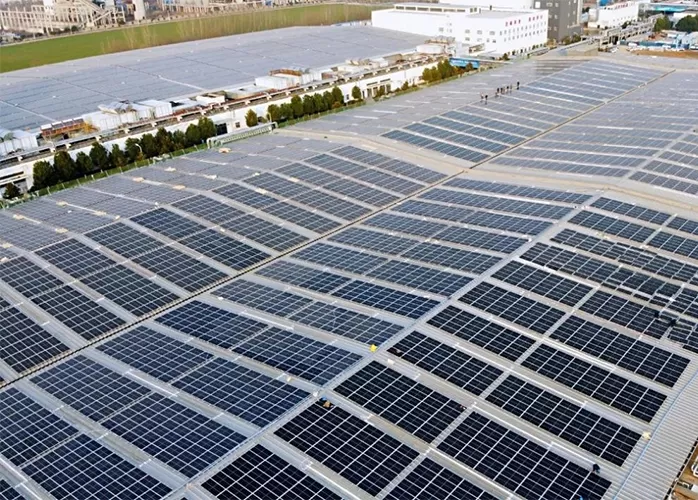
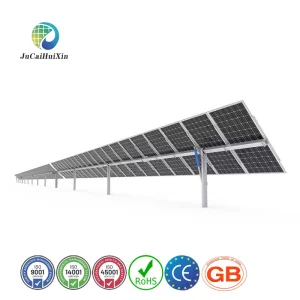
A 5MW solar installation providing high-voltage power generation and grid stabilization for commercial and utility networks, maximizing clean power usage.
Through end-to-end engineering, high-efficiency solar cells, advanced packaging, and customized battery configurations, we optimize BESS and solar assets globally.
Get Quote & System Simulation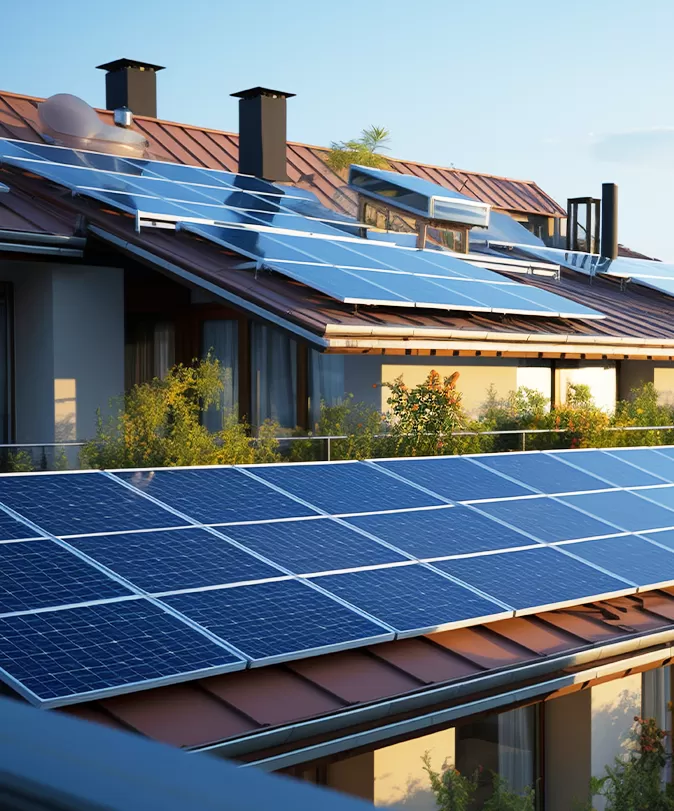
Detailed technical answers to help engineering, procurement, and construction (EPC) teams evaluate storage systems.
Lithium Iron Phosphate (LFP / LiFePO4) is the industry standard for stationary energy storage systems. Compared to Nickel Manganese Cobalt (NMC), LFP offers superior thermal runaway resistance, does not produce oxygen when decomposing under heat, and provides a longer operational life (6,000+ cycles at 80% DOD compared to NMC's 2,000–3,000 cycles). This makes LFP the safer and more cost-effective choice for utility-scale systems.
Liquid cooling systems circulate a cooling fluid directly past the cell faces, maintaining cell-to-cell temperature variations within 2.5°C. Air cooling relies on fans and air vents, which can leave temperature variations of up to 5–10°C in large battery layouts. Maintaining uniform temperatures across all battery packs helps prevent uneven cell aging and reduces energy consumption by the thermal management system itself.
Our containerized battery systems achieve an AC-to-AC round-trip efficiency of 88% to 92%, depending on the specific Power Conversion System (PCS) selected. This includes auxiliary energy consumed by liquid-cooling systems and control systems during operation, ensuring highly efficient power storage and dispatch.
Our systems meet key global standards, including UL 1973 for battery packs, UL 9540 (system-level safety), and UL 9540A for evaluation of thermal runaway. For European and Asian installations, our products are certified to IEC 62619, CE, and UN38.3 for international transport, simplifying project permitting and local grid connections.
Yes, our Energy Management System (EMS) communicates via standard industrial protocols such as Modbus TCP/IP, CAN bus, and IEC 61850. This compatibility allows our energy storage systems to integrate seamlessly with existing industrial control networks and utility SCADA software.
 Stove Solar