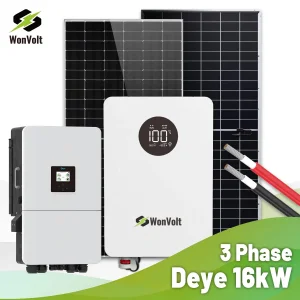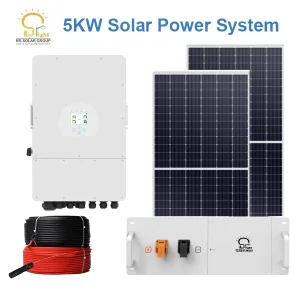
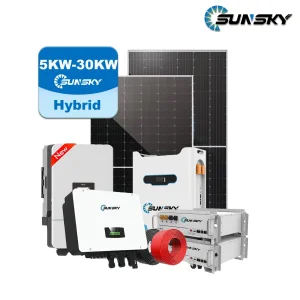
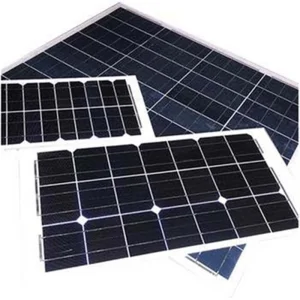
SES Solar is a pioneering high-tech enterprise and integrated manufacturer dedicated to the research, development, and scaling of high-efficiency solar modules, versatile hybrid systems, and advanced Lithium-ion Battery Energy Storage Systems (BESS). With robust operations stretching across the Chinese mainland and overseas branches supporting clients globally, SES Solar acts as a developer, investor, and long-term EPC partner. We bridge the gap between high-yield raw solar materials and turnkey grid solutions.
Our expansion in 2022 into dedicated ESS production facilities underlines our long-term strategy: providing integrated grid stabilization and optimizing levelized energy costs (LCOE) for commercial, utility, and heavy-industrial application portfolios.
Modern energy transition strategies are centered on maximizing solar conversion efficiency while minimizing grid integration risks. Commercial and Industrial (C&I) sectors currently account for over 70% of global grid load, driving intense regulatory and economic pressure to deploy on-site photovoltaic (PV) generators. As regions like the European Union enforce strict ESG compliance targets under the Corporate Sustainability Reporting Directive (CSRD), the role of a tier-1 solar energy conversion manufacturer becomes critical.
Transitioning to renewable energy generation is no longer merely a public relations choice; it is an economic necessity. Companies operating across Europe, North America, and Asia-Pacific must address volatile utility pricing through power purchase agreements (PPAs) and self-generation. Integrating a hybrid on-grid system with lithium energy storage systems (BESS) helps companies build microgrids that insulate them from voltage fluctuations, load shedding, and peak demand surcharges.
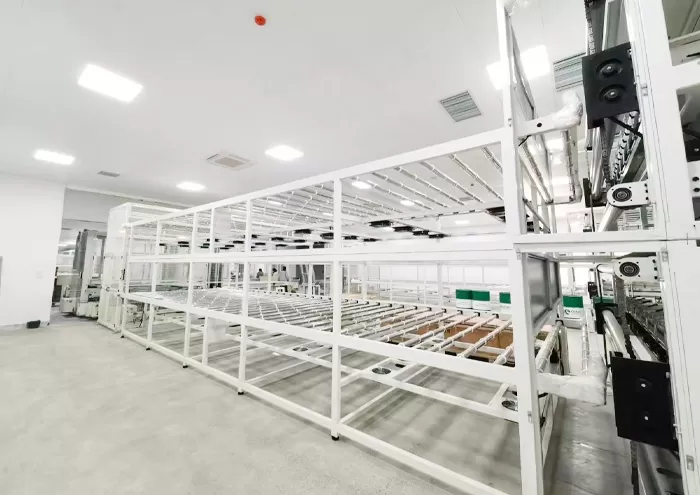
By utilizing high-performance Chinese PV manufacturing lines, developers benefit from economies of scale. Supply chain optimization, raw material sourcing (such as high-purity polysilicon), and integrated ingot-to-module factories allow Tier-1 providers like SES Solar to supply modules that deliver stable yields for up to 30 years.
The core of photovoltaic advancement lies in solar cell efficiency limits. The industry is rapidly shifting from traditional p-type Passivated Emitter and Rear Cell (PERC) architectures to n-type technologies, primarily Tunnel Oxide Passivated Contact (TOPCon) and Heterojunction Technology (HJT).
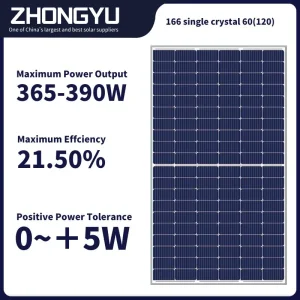
N-type cells offer minimal Light-Induced Degradation (LID) and an improved temperature coefficient (-0.30%/°C compared to -0.35%/°C for P-type). This allows for higher power generation in warm climates. Additionally, n-type panels feature high bifaciality factors—often exceeding 80-85%—which enables the rear surface to capture reflected albedo light and increase system energy yield by up to 25%.
For energy storage, thermal management is key. Standard air-cooling storage units are being replaced by liquid-cooled BESS designs. Liquid cooling provides precise temperature control across battery cells, limiting temperature variations to within 3°C. This prevents thermal runaway and extends the battery life of LiFePO4 cells to over 6,000 cycles at 80% Depth of Discharge (DoD).
Deploying solar equipment requires tailoring systems to local environmental challenges. Coastal sites demand salt-mist resistant PV frames, IP68-sealed junction boxes, and anti-corrosive structure designs. In contrast, desert projects must address wind loads, high-temperature degradation, and dust accumulation.
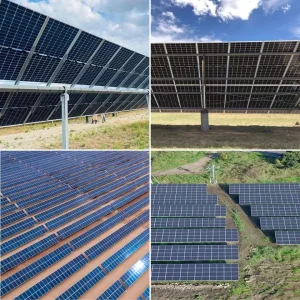
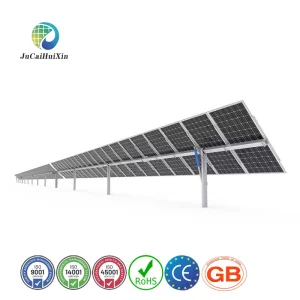
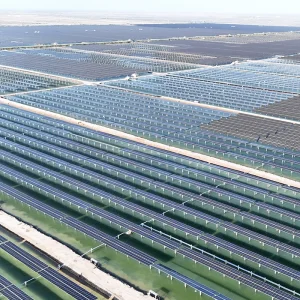
In desert environments, integrating automated single-axis solar trackers allows panels to follow the sun's trajectory throughout the day, increasing generation by up to 15-20% over fixed structures. Integrating bifacial double-glass modules with solar trackers maximizes energy yields on highly reflective soils, improving project returns.
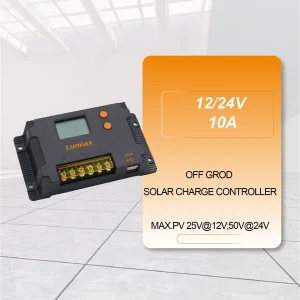
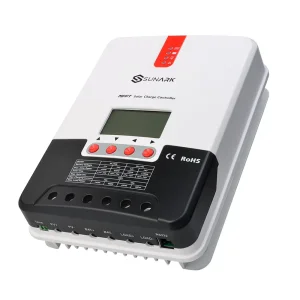
For off-grid and rural applications, modular design is crucial. Complete pre-assembled containers, pairing smart MPPT charge controllers with hybrid inverters and battery storage, allow for rapid deployment. These systems bring reliable electricity to remote agricultural operations, telecom towers, and mining sites without the need for expensive grid expansions.
The future of solar energy conversion depends on intelligent energy distribution. Future grids will increasingly use Artificial Intelligence (AI) to forecast solar generation based on real-time meteorological satellite telemetry. This data allows smart systems to predict production drops and balance them by adjusting local battery storage discharge rates.
By linking multiple distributed C&I solar-plus-storage assets, developers can form Virtual Power Plants (VPPs). These VPPs aggregate excess power and discharge it to the main grid during peak demand windows. This arrangement helps stabilize the grid and opens up new revenue streams for asset owners through frequency response and capacity market participation.
SES Solar continues to invest heavily in smart energy management software (EMS) and power conversion systems (PCS). Our systems are designed to integrate seamlessly with modern IoT protocols, giving plant managers full control over operational metrics and ensuring long-term grid compatibility.
Engineered for quick on-site deployment, our pre-assembled solar configurations minimize field labor and shorten setup timelines.
Our services include long-term system monitoring, planned preventive maintenance, and real-time performance analytics.
We use top-grade components to prevent power degradation, ensuring consistent power output over long operational lifespans.
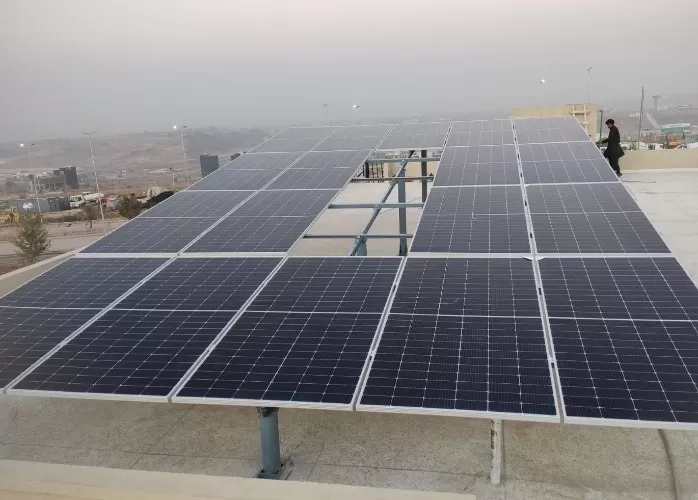
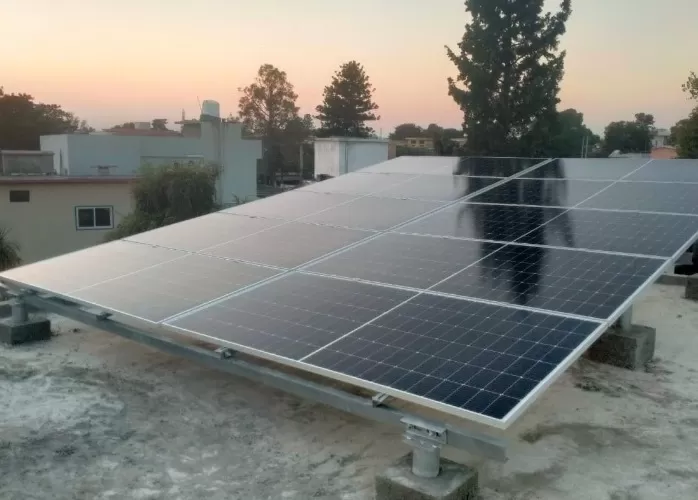
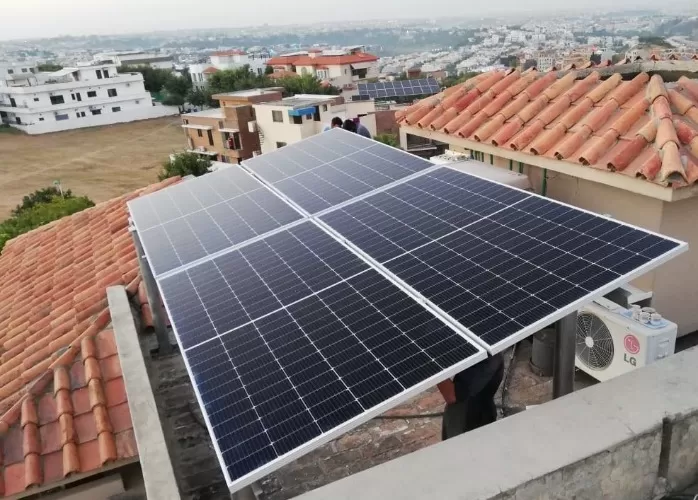
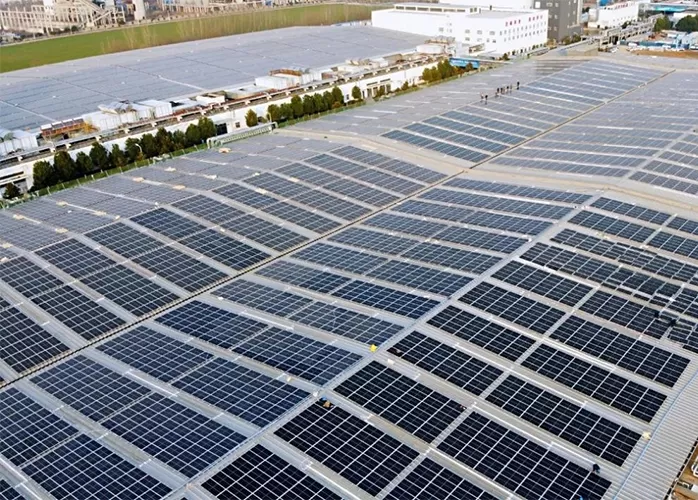
We provide a comprehensive suite of solar PV and energy storage solutions optimized to maximize performance across utility-scale, commercial, and off-grid projects.
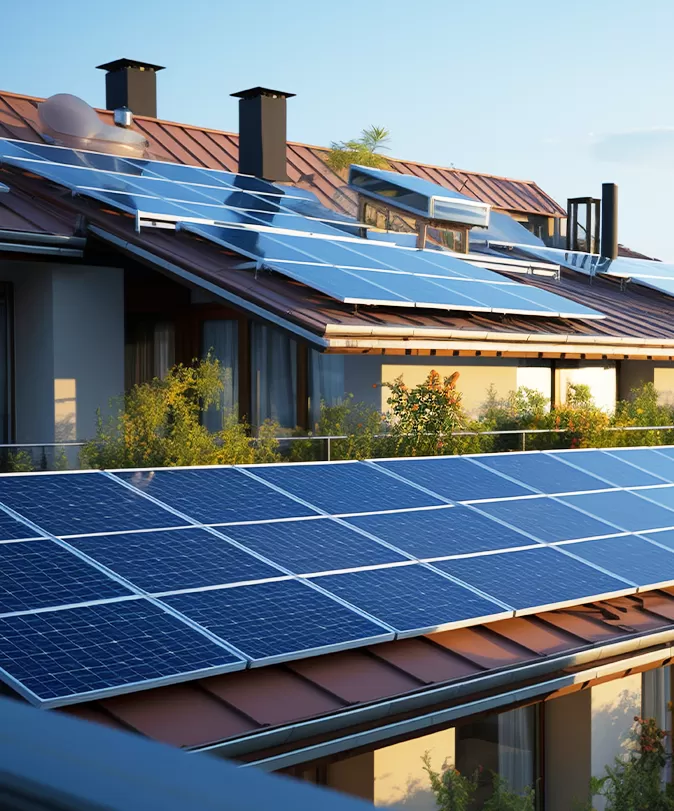
TOPCon and HJT options offer higher efficiency limits, exceeding 24.5-25%. They also provide an improved temperature coefficient (-0.30%/°C) and higher bifaciality compared to traditional PERC modules. This translates to higher overall power generation, particularly in locations with high ambient temperatures or high ground reflection.
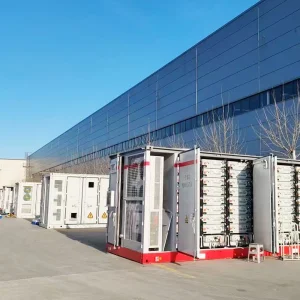
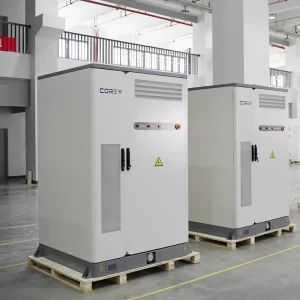
Liquid cooling provides precise temperature control across battery cells, keeping temperature variations within 3°C. This uniform cooling minimizes cell degradation, reduces thermal runaway risks, and extends the operational life of the battery system.
Hybrid systems use smart energy management systems (EMS) to balance load demands. They can prioritize on-site solar consumption, store excess energy in batteries, and discharge that stored power during peak tariff windows to minimize utility costs.
For reliable project implementation, solar components should meet key certifications such as IEC 61215/61730 for modules, UL 1741/9540 for inverters and battery storage, and CE/TÜV approvals for overall compliance.
Dust accumulation can reduce solar output by 5% to over 20% in arid locations. This is mitigated through anti-soiling hydrophobic coatings on the glass and scheduled cleanings, often using automated waterless cleaning robots.
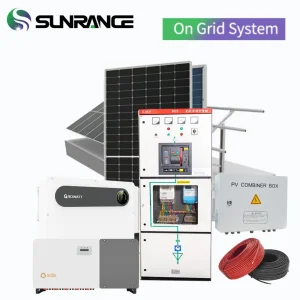
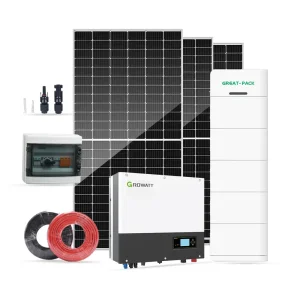
Connect with our engineering team today to receive a complete, optimized system design for your application.
Request Technical Consultation Stove Solar