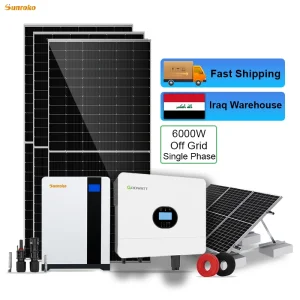
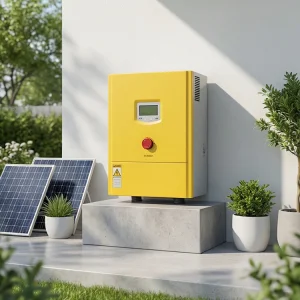
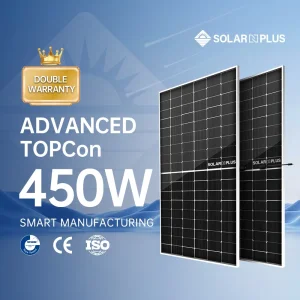
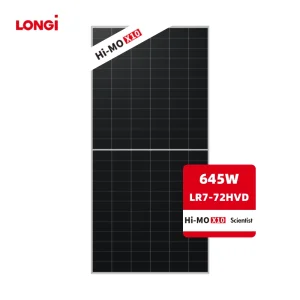
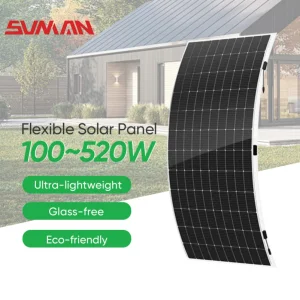
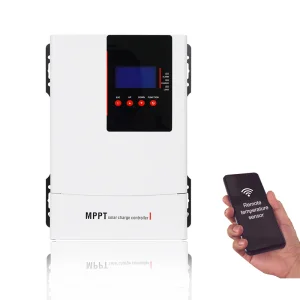
Explore our premium grade solar arrays, high-efficiency hybrid components, and modular storage configurations optimized for system-wide cost reduction.
SES Solar, a professional solar integrated manufacturer and solution provider in China, is a high-tech enterprise dedicated to R&D of solar modules, on/off/hybrid solar systems, lithium batteries, and ESS. With overseas branches and a professional team in support, SES Solar not only manufactures solar products but also designs, invests in, and installs solar systems across the Chinese mainland.
We have invested in 100MW of solar systems, with our solar cell factory capacity exceeding 35GW and our solar panel factory capacity surpassing 1GW. In 2022, SES Solar invested in their ESS factory, further expanding our capabilities and offerings in the solar industry.
As grid parity becomes standard globally, modern developers and engineering firms demand more than just standard procurement; they require holistic, highly optimized architectures that lower both the capital expenditures (CAPEX) of system builds and the operational expenditures (OPEX) over a 25-to-30-year lifetime. Our manufacturing cluster optimizes silicon usage, enhances crystalline structures, and streamlines logistic pipelines to position us as a premier partner in the global shift toward affordable solar deployment.
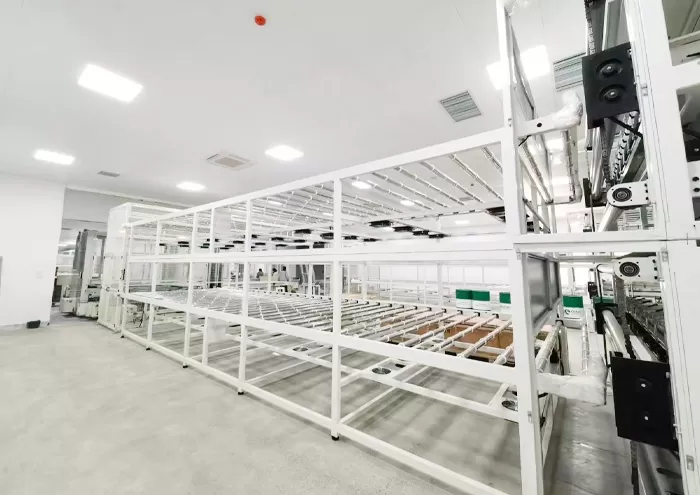
In the wake of shifting geopolitical energy dependencies and escalating volatility within conventional utility grids, Commercial and Industrial (C&I) organizations are aggressively seeking reliable, self-sufficient energy solutions. Solar energy storage systems (BESS) represent the vanguard of this transition. By implementing decentralized generation, enterprise organizations can hedge against peaking utility pricing and dynamic demand charges. With cost reductions across the Chinese supply chain continuing to decrease the levelized cost of energy (LCOE), high-performance commercial PV systems offer predictable amortized savings over decades. Standard utility-scale installations face complex permitting and transmission challenges, making on-site distributed generation the preferred architecture for warehouses, processing facilities, and regional manufacturing centers globally.
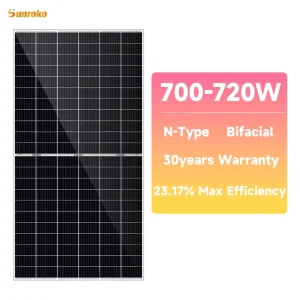
Achieving system-level optimization requires analyzing components beyond basic solar panels. While PV modules constitute a significant portion of CAPEX, Balance of System (BOS) elements—including inverters, mounting structures, charge controllers, and cabling—determine structural efficiency and lifetime ROI. Modern BOS optimization focuses on matching high-performance components to reduce system losses. For example, deploying N-Type double-glass bifacial modules with smart maximum power point tracking (MPPT) controllers minimizes mismatch losses. Additionally, standardizing racking components simplifies onsite assembly, directly reducing field labor costs and installation timelines. In the ESS sector, transitioning to high-density lithium iron phosphate (LiFePO4) chemistries lowers long-term replacement frequency, offering superior degradation curves and enhanced thermal stability compared to conventional cobalt-based cells.
China's leadership in solar technology is built on concentrated vertical integration and deep supply chain networks. By locating upstream material refiners, ingot pulling facilities, cell manufacturers, and glass producers in close proximity, shipping bottlenecks are mitigated and production pipelines remain responsive. At SES Solar, our 35GW cell capacity and 1GW panel facility benefit from this geographic efficiency. This proximity enables rapid quality control loops, stable wafer sourcing, and agile adjustment to changing design requirements. Advanced automated assembly lines leverage machine-vision inspection to identify micro-cracks and cell anomalies at scale, ensuring consistent batch-to-batch reliability. This infrastructure protects global buyers from component shortages and volatile logistics, providing a stable supply chain during geopolitical shifts.
Direct ownership of cell and module manufacturing ensures complete quality tracking and mitigates vendor margins.
We leverage our 16 years of solar marketing and utility engineering experience to design and install optimal commercial networks.
Dedicated technical personnel and localized warehouses facilitate seamless project deployment, commissioning, and operations.
The solar industry continues to transition toward higher efficiency designs. We are currently seeing a shift away from standard P-type PERC technology toward N-type cell architectures, including Tunnel Oxide Passivated Contact (TOPCon) and Heterojunction Technology (HJT). These technologies offer lower temperature coefficients, reduced light-induced degradation (LID), and superior bifaciality factors—often exceeding 80-85%. In parallel, inverter design has adapted to manage high-current inputs from large-format wafers (182mm and 210mm). Smart hybrid inverters featuring rapid shutdown mechanisms, integrated battery management systems (BMS), and advanced thermal profiles ensure system longevity. This trend is accompanied by the deployment of flexible and lightweight monocrystalline panels for load-constrained industrial roofs, widening the addressable area for distributed commercial solar installations.
Solar technology must adapt to diverse environmental challenges. In dry, high-albedo regions like the Middle East, bifacial modules paired with smart tracking systems leverage ground reflectance to boost energy yields by up to 25%. For these harsh climates, robust balance-of-system (BOS) components are critical, utilizing specialized wind turbine controllers and dump loads to manage hybrid wind-solar microgrids in remote locations. In temperate zone commercial facilities, system designs prioritize space optimization and load shedding. In these applications, integrated containerized ESS solutions help smooth peak demand spikes, providing stable backup power and reducing demand charges from local utilities. In residential markets, modular hybrid solar systems offer simplified plug-and-play installation, providing homeowners with energy independence without complex wiring.
Exporting complex energy equipment requires adherence to rigorous testing standards. Products must comply with safety regulations such as IEC 61215/61730 for PV reliability, UL 1973/9540A for lithium batteries, and CE/VDE guidelines for grid connection. Compliance with these testing protocols ensures system safety and simplifies financing for international projects. Furthermore, managing international logistics requires localized support structures. Utilizing regional warehouses, such as our hubs in Iraq, enables rapid delivery of critical components and replacement parts. This reduces downtime and helps project developers manage the supply chain challenges associated with global shipping networks.
SES Solar delivers custom-engineered configurations tailored to residential, commercial, and utility-scale installations.

Our pre-engineered kits drastically reduce mechanical assembly and electrical interconnect labor times.
The industry's most comprehensive repair, maintenance, and monitoring program ensures sustained generation profiles.
Remote telemetry modules provide real-time updates on charge efficiency, battery health, and inverter parameters.
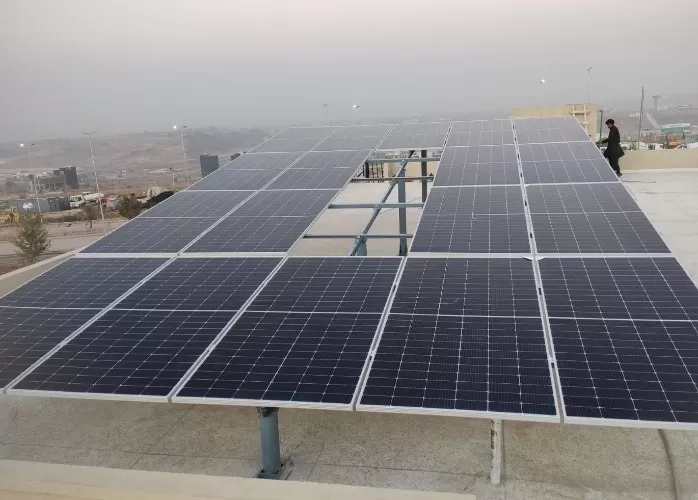
10KW Hybrid Solar System
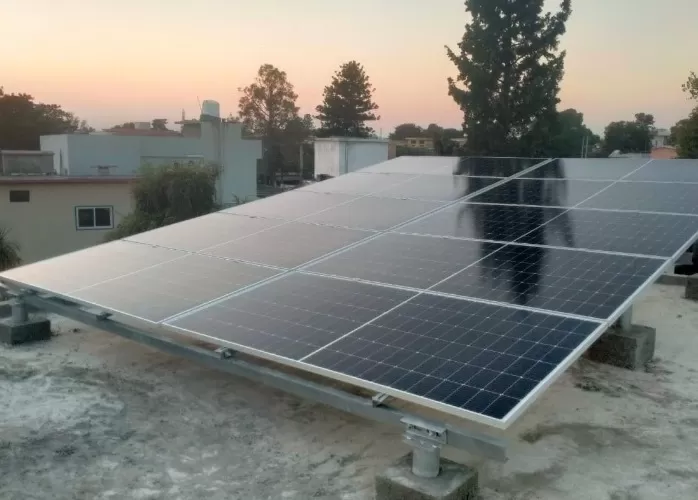
5KW On-Grid Solar System
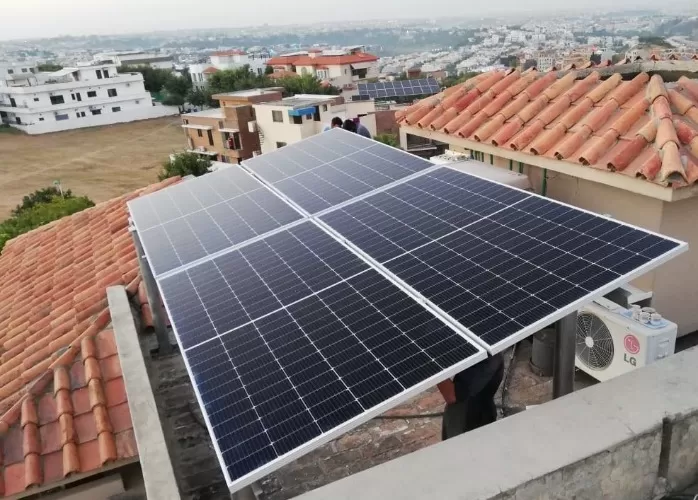
2KW Off-Grid Solar System
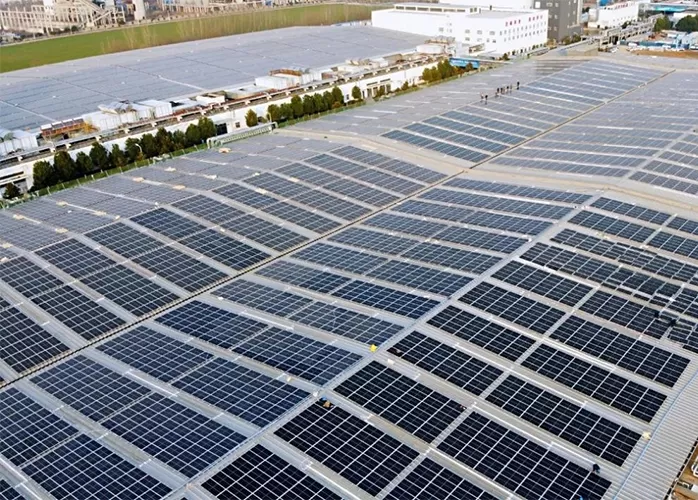
5MW Utility-Scale Solar System
We provide a comprehensive suite of solar PV solutions that can optimize a wide range of project applications. Through our vertical integration and deep supply chain, we deliver engineering expertise and reliable hardware to help our partners succeed.
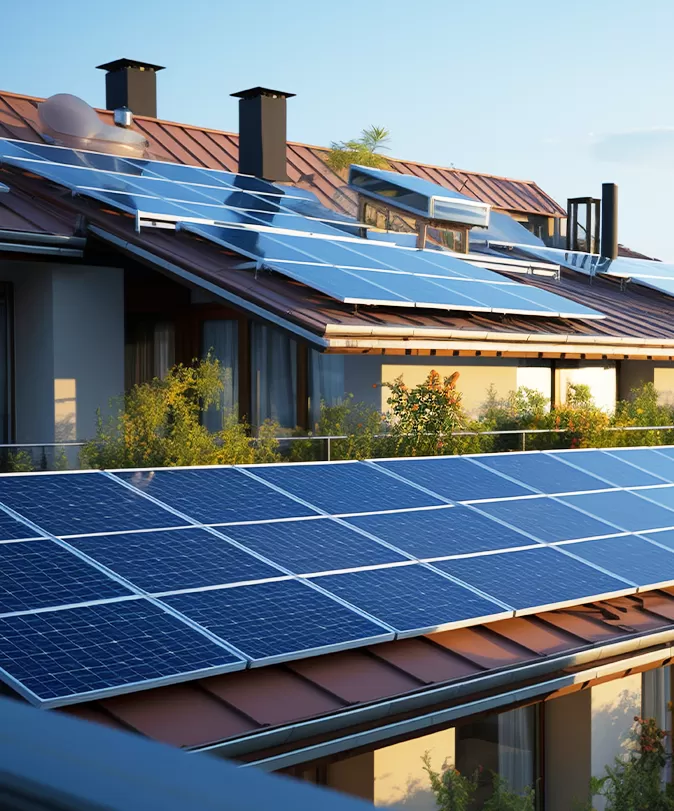
Expert answers addressing the primary design, procurement, and logistics concerns of global solar developers.
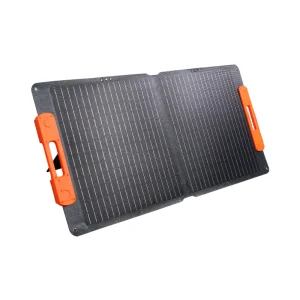
Explore our selection of high-efficiency, flexible, and ground-mounted solar components designed for diverse terrains and site limitations.
 Stove Solar