Premium hardware portfolios engineered for grid-synchronization, storage optimization, and continuous duty cycles.
Analyzing the Paradigm Shift in Power Regulation and Energy Control Networks
The global energy infrastructure is undergoing an unprecedented transformation, driven by the urgency of decarbonization and the digitization of power distribution network architectures. Within this transition, solar charge management has evolved from a basic voltage-clamping operation to a complex grid-edge optimization discipline. Modern photovoltaic (PV) generation schemes demand intelligent controllers that act as the neural centers of off-grid, hybrid, and micro-grid systems.
"Traditional PWM (Pulse Width Modulation) regulatory topologies are no longer sufficient to meet the strict dynamic demands of high-performance energy storage platforms. Modern requirements demand high-frequency, multi-phase synchronous rectification topologies operating on sophisticated Maximum Power Point Tracking (MPPT) algorithms."
Through real-time optimization of power curves, next-generation charge management systems ensure high-efficiency throughput, safeguard electrochemical storage investments, and maintain grid compliance. This whitepaper analyzes the manufacturing landscape in China, evaluating technological advancements, industrial integration strategies, and the critical performance indicators that allow developers to achieve maximum energy yields and minimal levelized costs of storage (LCOS).
SES Solar: Leading Vertically Integrated Clean Energy Production & Deployment
SES Solar (also widely recognized for its high-performance brand partnerships including JM Solar) stands as a prominent vertically integrated solar manufacturer and systems designer in China. Classified as a national high-tech enterprise, the organization focuses on the intensive research, development, and high-precision manufacture of photovoltaic modules, smart power regulation units, lithium battery storage systems, and comprehensive utility-scale Energy Storage Systems (ESS).
With extensive global support networks and a seasoned technical advisory body, SES Solar operates not only as an exporter of raw components but as a comprehensive developer. The company actively finances, designs, and constructs distributed generation facilities throughout mainland China and international markets.
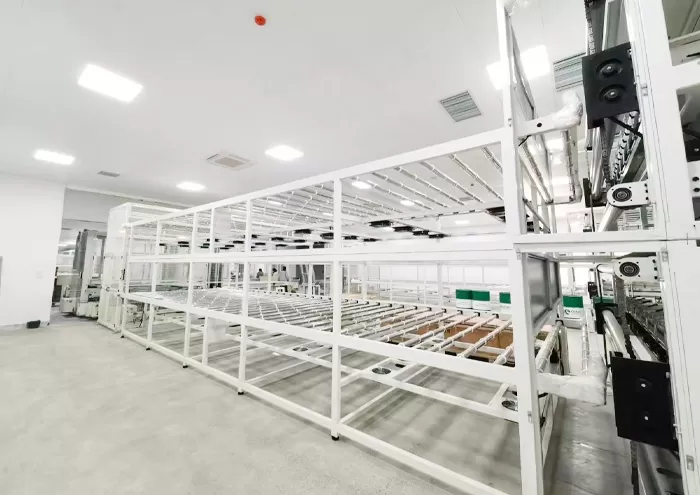
Our manufacturing infrastructure represents significant industrial scale: we have successfully financed and deployed over 100MW of operational solar systems. Our solar cell production capacity exceeds 35GW, complemented by a solar panel assembly facility capacity of over 1GW. In 2022, SES Solar expanded its vertical integration by investing in a state-of-the-art ESS factory, directly aligning our electrochemical storage configurations with our advanced charge controller products.
Simplified wiring diagrams and plug-and-play interfaces reduce commissioning times by up to 35% in commercial structures.
Continuous monitoring software tracks individual string health, pinpointing degradation and isolating faults automatically.
Globally distributed technical branches offer local assistance and system engineering audits, maximizing system uptime.
Engineering Reliable Off-Grid, Hybrid, and Utility-Scale Photovoltaic Systems
To maximize solar generation efficiency under varying weather conditions, system designers must select components that fit the specific electrical profile of the application. SES Solar offers a complete suite of solutions designed to optimize projects ranging from small residential systems to utility-scale plants.
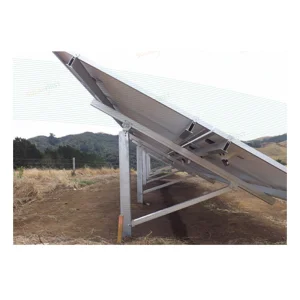
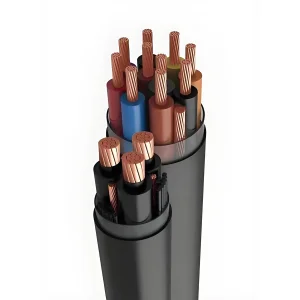
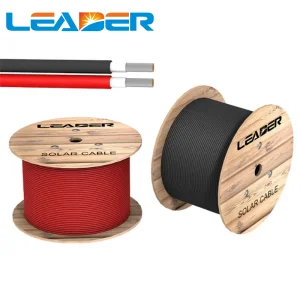
A balanced system requires careful integration of structural supports, electrical cabling, energy conversion systems, and monitoring controls. The mechanical layout begins with robust structural foundations like the Aluminium Solar Panel Mounting Structure, engineered to withstand high wind loads and harsh environmental conditions while providing optimal panel tilt angles. Electrical integration relies on high-quality cabling, such as the XLPE Insulated Sheathed Solar PV Power Cable and TUV IEC62930 Approved Copper DC Solar Cable, which minimize voltage drops and maintain system safety over a wide temperature range (-40°C to 90°C).

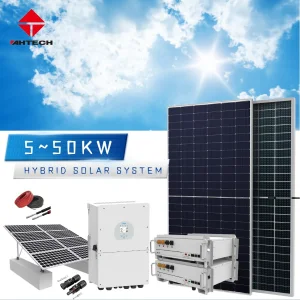
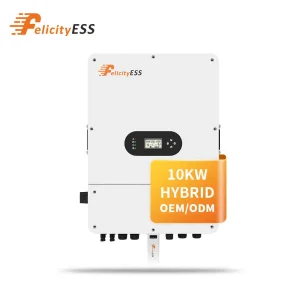
At the heart of the system is the energy conversion unit. For hybrid commercial applications, devices like the 10kW on-off Grid Inverter with MPPT Controller Technology handle bidirectional power flow, balancing solar production, battery charging, local loads, and grid interactions.
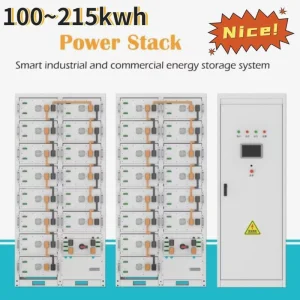
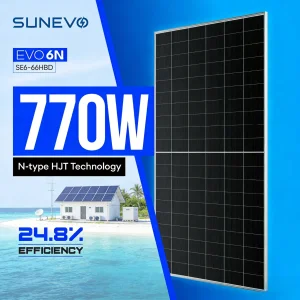
For large industrial installations, scale is critical. Combining high-efficiency modules like the Sunevo Bifacial N Type PV Module (up to 770W) with large capacity storage units like the 100kwh & 200kwh Hybrid Solar Battery Storage creates microgrid architectures capable of peak shaving, load shifting, and providing backup power.
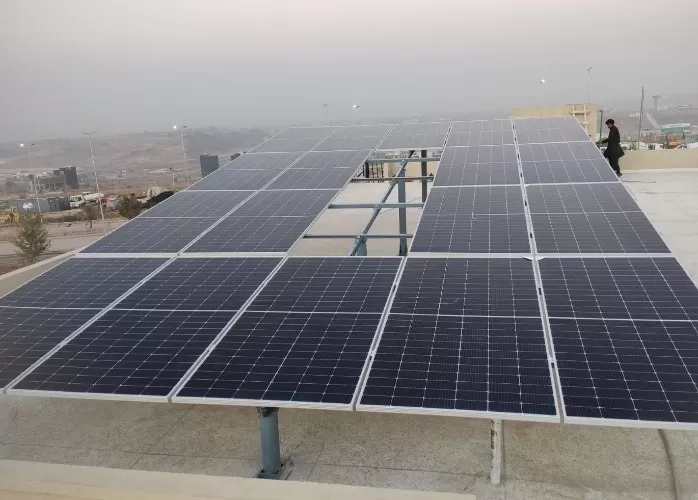
Deploying 10KW hybrid systems with lithium storage to ensure uninterrupted power supply and load optimization during peak periods.
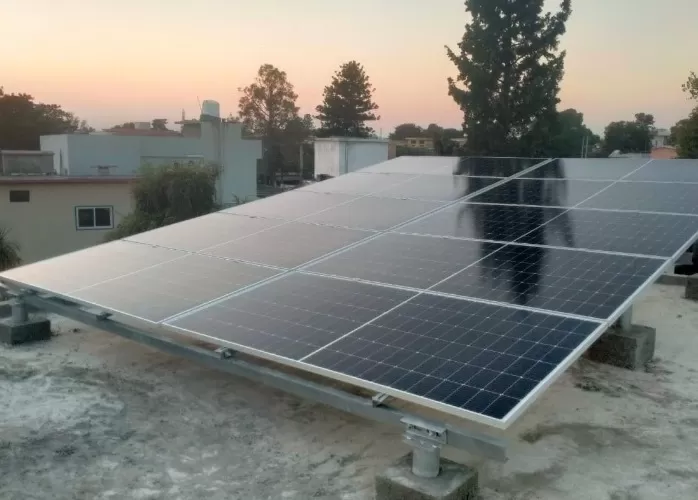
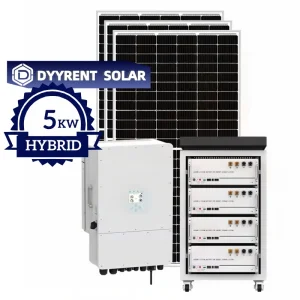
Standardized 5KW residential systems designed for quick installation, immediate utility sync, and net-metering support.
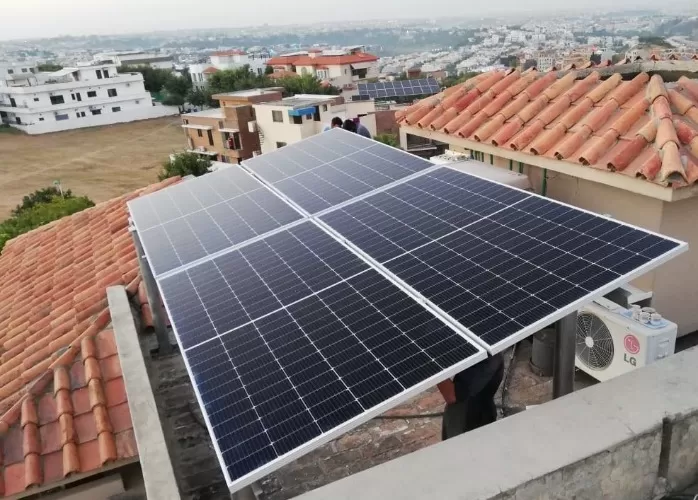
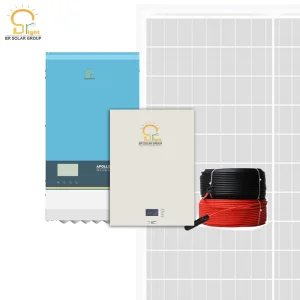
2KW systems equipped with high-efficiency charge controllers and lithium energy storage for remote telecommunication and residential sites.
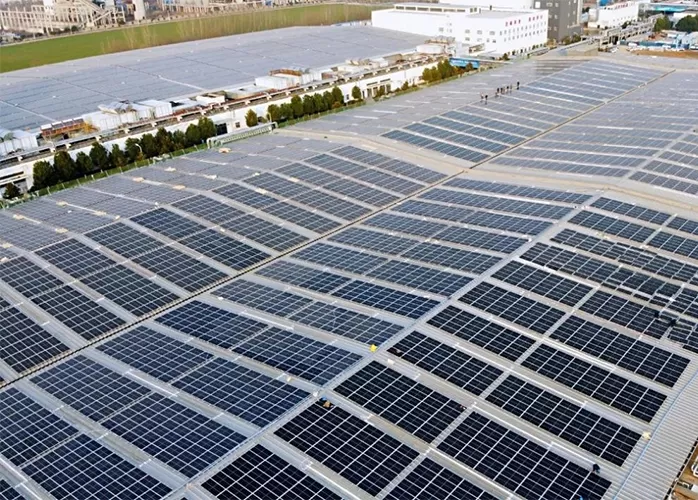
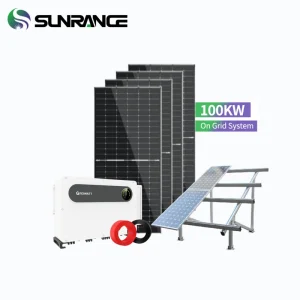
5MW utility installations using multi-string configurations, smart combiners, and high-voltage string inverters to optimize system LCOE.
Evaluating Dynamic Tracking Algorithms, Conversion Topologies, and Communication Interfaces
The primary metric of performance in solar charge controllers is tracking efficiency under dynamic environmental conditions. Pulse Width Modulation (PWM) and Maximum Power Point Tracking (MPPT) represent two distinct topologies, each suited to different application profiles.
PWM controllers act as electronic switches between the solar array and the battery. As the battery approaches full charge, the controller pulses the connection to maintain a constant charging voltage. While reliable and cost-effective for smaller applications, PWM forces the solar array to operate at the battery's voltage, which can cause significant power loss when there is a mismatch between the array's optimal operating voltage ($V_{mp}$) and the battery's terminal voltage.
MPPT controllers utilize high-frequency DC-to-DC converters to decouple the solar array voltage from the battery voltage. By continuously calculating the optimal operating point using algorithms like perturb-and-observe or incremental conductance, MPPT controllers adjust the input duty cycle to maximize solar energy harvesting. Under typical operating conditions, MPPT technology can improve energy harvest by 20% to 30% compared to PWM.
Dynamic Efficiency Equation:
$$\eta_{MPPT} = \frac{P_{out}}{P_{in}} = \frac{V_{batt} \times I_{batt}}{V_{pv} \times I_{pv}}$$
Modern MPPT charge controllers achieve tracking efficiencies up to 99.5% and peak conversion efficiencies up to 98% through the use of synchronous rectification, low-RDS(on) MOSFETs, and high-Q inductors.
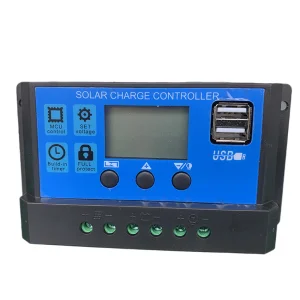
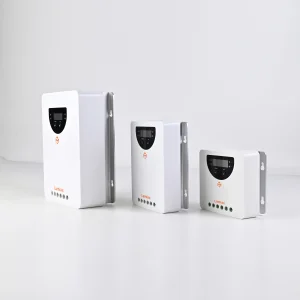
Industrial-grade controllers like the 20A/30A/40A/60A MPPT Solar Charge Controller are designed to support multiple battery chemistries, including Lithium Iron Phosphate (LiFePO4) and Lithium Titanate Oxide (LTO). These controllers feature RS485 and CAN communication interfaces, allowing them to integrate directly with a battery management system (BMS) to receive real-time charging parameter updates. Built-in Bluetooth modules also enable technicians to monitor system performance and configure parameters via mobile applications.
Analyzing Regional Policies, Grid Integration Trends, and Manufacturing Supply Chains
The demand for commercial and industrial (C&I) energy storage systems is accelerating globally, driven by rising peak electricity rates, grid reliability concerns, and corporate carbon-reduction targets. C&I installations rely on robust charge management systems to handle complex load profiles and support features like peak shaving, load shifting, and reactive power compensation.
In Europe, policies like the REPowerEU plan and strict carbon pricing have accelerated the adoption of distributed solar-plus-storage systems. In North America, tax credits and grid modernization initiatives have driven demand for large-scale energy storage. The Asia-Pacific region, led by China, continues to expand its manufacturing capacity, helping to reduce costs and make energy storage technology more accessible globally.
This global expansion has highlighting the importance of supply chain resilience. Vertically integrated manufacturers that control the production process from silicon ingot processing to charge controller assembly are better positioned to maintain quality standards, manage lead times, and deliver consistent performance across international projects.
Navigating Global Grid Regulations and Safety Certifications
Exporting solar power equipment to global markets requires strict compliance with diverse international standards and grid codes. Solar charge controllers and inverters must meet rigorous safety and performance criteria to ensure safe operation when connected to public utility networks.
Key certifications include IEC 62109 (safety of power converters in PV systems), EN 50549 (requirements for generating plants to be connected in parallel with distribution networks), and UL 1741 (inverters, converters, controllers and interconnection system equipment for use with distributed energy resources). In addition, DC cabling must comply with certifications like TUV IEC62930 or H1Z2Z2-K to verify insulation integrity, UV resistance, and thermal performance under continuous exposure.
Localization also extends to customer support. Providing localized technical support, warranty services, and system configuration assistance helps international project developers minimize downtime and ensure long-term system reliability.
Next-Generation Photovoltaic Technologies, High-Voltage Topologies, and AI-Driven Edge Control
The solar industry is continuously evolving, with several key trends shaping the future of solar charge management and energy storage:
Transitioning from 1000V to 1500V DC system voltages to reduce line losses, simplify cabling requirements, and lower overall balance of system (BOS) costs.
Combining high-efficiency N-type monocrystalline cells with bifacial designs to capture reflected light from the backside, increasing energy yield by up to 25%.
Integrating artificial intelligence into charge controllers to enable predictive energy management based on localized weather forecasts and utility rate structures.
Technical Answers to Critical Integration Questions
What is the primary difference between PWM and MPPT charge controllers?
PWM (Pulse Width Modulation) controllers act as a direct switch between the solar array and the battery, forcing the array to operate at battery voltage. MPPT (Maximum Power Point Tracking) controllers use a high-frequency DC-to-DC converter to operate the solar array at its optimal maximum power voltage ($V_{mp}$), converting the excess voltage into charging current. This allows MPPT controllers to capture up to 30% more energy, especially in cold or cloudy conditions.
How does temperature affect solar charge controllers?
Solar panel voltage increases in cold temperatures and decreases in hot temperatures. High-quality MPPT controllers feature temperature compensation to adjust charging parameters based on ambient temperatures, preventing overcharging in summer and undercharging in winter. The controllers themselves must be designed with efficient thermal management, such as heat sinks or fans, to maintain performance under continuous load.
Can MPPT controllers be used with lithium batteries?
Yes. Modern MPPT controllers feature customizable charging profiles specifically designed for lithium chemistries like Lithium Iron Phosphate (LiFePO4). These profiles allow users to set precise absorption, float, and cutoff voltages. Additionally, RS485 or CAN bus communication protocols enable the controller to communicate directly with the battery management system (BMS) for real-time monitoring and safety coordination.
What certifications should I look for in solar cables?
Solar cables carry high-voltage DC current and are exposed to UV radiation and temperature extremes. Look for cables certified to standards like TUV IEC62930 or H1Z2Z2-K. These standards verify that the cables feature cross-linked polyethylene (XLPE) insulation, which offers excellent thermal performance (-40°C to 90°C), UV resistance, and mechanical durability.
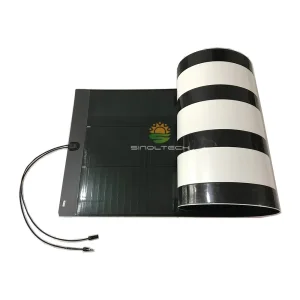
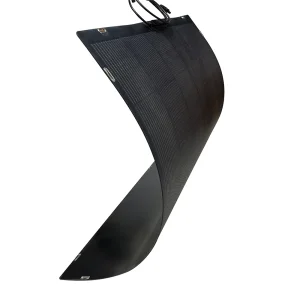
Premium cables, mounting gear, thin-film panels, and residential grid-tie micro-inverters.
Consult with our engineering department to design custom configurations, verify grid code compliance, and receive detailed layout drawings tailored to your project requirements.
Contact Our Technical Team Stove Solar