Engineered to maximize energy yield, system durability, and investment returns across residential, commercial, and utility applications.
As the global market transitions toward deep decarbonization, the demand for high-efficiency, reliable, and intelligent renewable energy solutions has reached unprecedented heights. Industry developers, EPC firms, and energy brokers look beyond standalone component sourcing; they require complex, integrated ecosystems capable of stabilizing fluctuating grids, cutting levelized cost of energy (LCOE), and proving high bankability.
China is the global leader in photovoltaic (PV) manufacturing and energy storage system (ESS) supply chains, producing over 80% of the world's solar components. Choosing a tier-1 integrated manufacturer allows global procurement managers to leverage economies of scale, leading-edge R&D, and complete supply chain transparency from raw silicon processing to grid-tied system execution.
SES Solar acts as a premier technical gateway, offering vertically integrated capacities, rigorous international certifications, and localized engineering support, tailored to streamline projects across the globe.
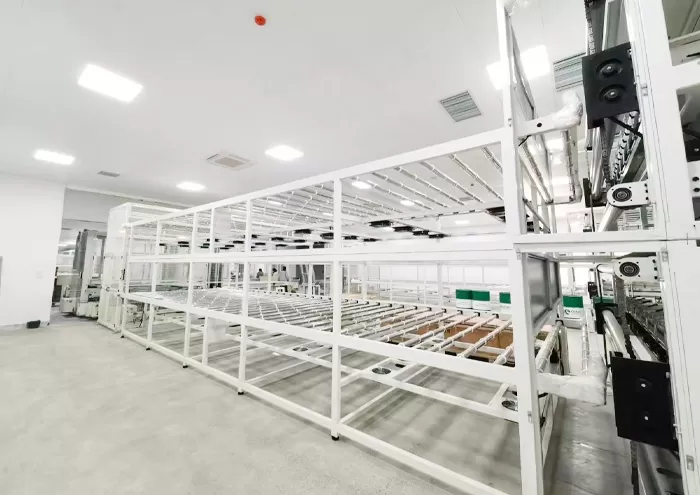
A look at our key vertical integration milestones, demonstrating our capacity to support utility-scale and large-scale commercial pipelines.
Technical insights into next-generation technology pipelines and strategic sourcing parameters for commercial developers.
The global PV landscape is transitioning from p-type PERC cells to n-type technologies like TOPCon (Tunnel Oxide Passivated Contact) and HJT (Heterojunction Technology). These structures reduce LID (Light Induced Degradation) and offer a higher bifaciality factor, leading to up to 22.8% module efficiency and superior performance in hot climates.
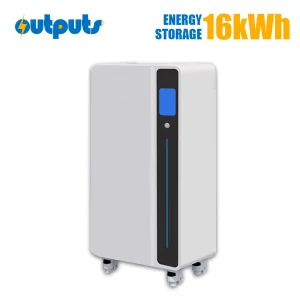
Modern commercial energy storage has moved from simple peak shaving to complex frequency regulation, microgrid formation, and virtual power plant (VPP) integration. The use of LiFePO4 (LFP) chemistries, liquid cooling systems, and dual-layer fire suppression systems has established a new benchmark for system lifetime and safety.
For international buyers in the US, EU, and APAC markets, compliance is key. Supply chains must meet ESG criteria, and products require complete certifications, including TUV Rheinland/SUD, CE, UL 1741 (for inverters), and UL 1973/9540A (for energy storage systems).
From single-home microgrids to MW-scale industrial solar generation plants, we engineer systems that optimize LCOE and improve energy security.
Our pre-engineered plug-and-play kits reduce field installation hours by 40%. Includes all necessary structural components, racking systems, and pre-wired junction boxes.
Every utility-scale delivery includes smart cloud monitoring tools. Real-time diagnostic software detects string faults and tracks performance degradation over a 25-year lifetime.
Supported by leading reinsurance partners, our solar systems feature performance-ratio guarantees, protecting developers from energy yield shortfalls.
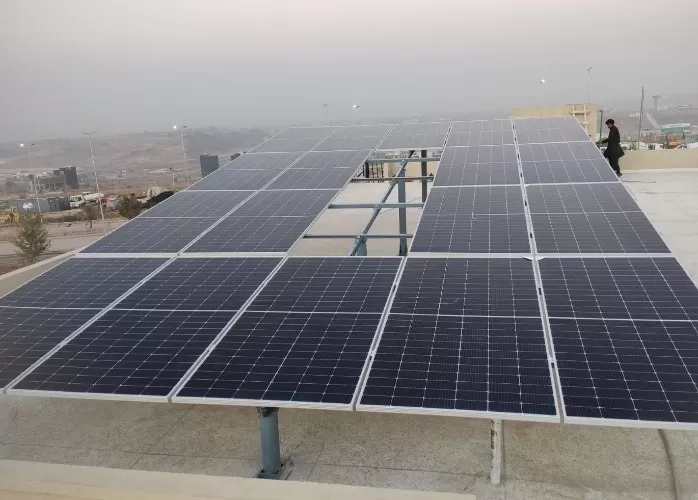
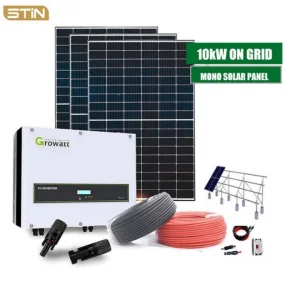
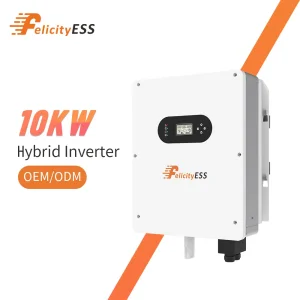
10KW hybrid solar system designed with integrated storage to bypass local grid outages and manage peak rate structures.

5KW grid-connected residential system utilizing high-efficiency monocrystalline PV arrays for maximum power output.

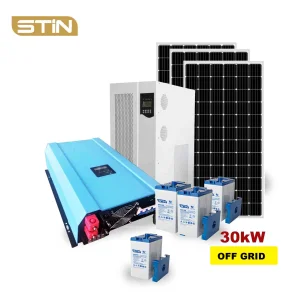
2KW off-grid solar package featuring a heavy-duty inverter and a deep-cycle battery bank designed for off-grid operations.
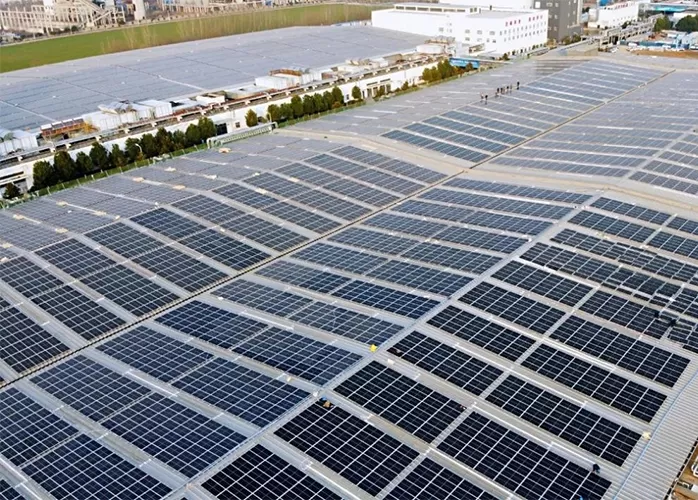
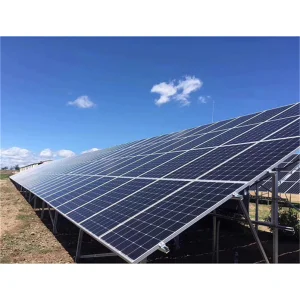
5MW ground-mounted utility project designed to provide reliable energy feed-in to national transmission networks.
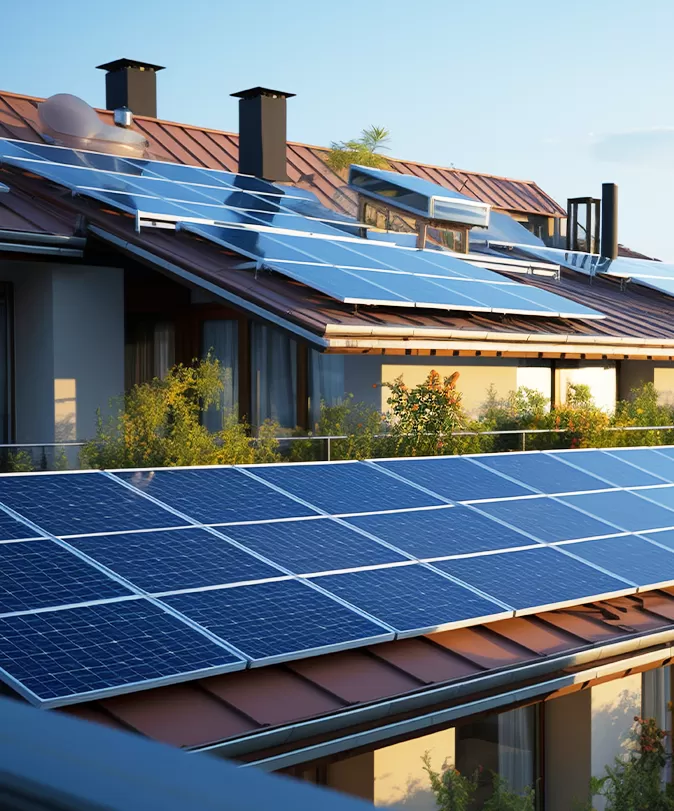
We work to deliver complete system integration that eliminates procurement bottlenecks, reduces import risks, and ensures long-term field stability.
Our R&D roadmap focuses on improving efficiency, increasing safety, and reducing the lifetime LCOE of our solar and energy storage systems.
We are scaling up production of n-type rectangular silicon wafers (G12R) with TOPCon cell structures. This transition will raise module conversion efficiency to 23.5% and reduce low-light performance degradation. We are also integrating smarter BMS software to manage cell-level voltage imbalances in our home battery systems.
Developing smart multi-source microgrid controllers that coordinate PV, energy storage, diesel backup generators, and grid connections. In parallel, our containerized commercial systems will transition to liquid cooling loops, improving energy density by 30% and extending cell cycle life under high-C charge profiles.
R&D focusing on solid-state battery integration for commercial and industrial applications to reduce thermal run-away risks. This phase will also see the rollout of AI-driven Energy Management Systems (EMS) that optimize battery charge cycles based on local electricity rate forecasts and weather predictions.
Expert answers addressing the technical, regulatory, and logistics queries of commercial solar and energy storage system buyers.
N-Type TOPCon (Tunnel Oxide Passivated Contact) solar cells offer three major advantages over traditional P-Type PERC cells:
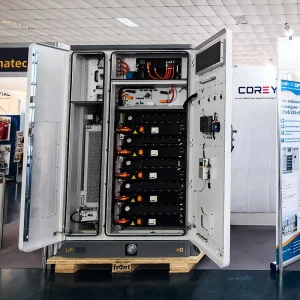
Our commercial and industrial (C&I) battery containers (such as our 233kWh liquid-cooled storage systems) use a multi-tiered safety and thermal management strategy:
We design and manufacture our products to meet strict international standards, ensuring compliance with local grid codes and safety regulations:
We provide full customization options for our global clients, including:
Whether you require system sizing assistance, customized lithium battery specifications, or a project quotation, our technical team is ready to support your deployment.
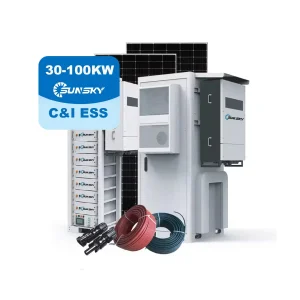
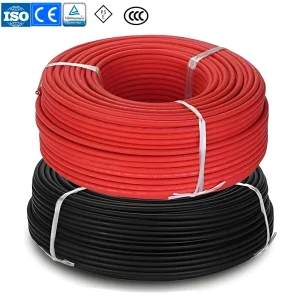
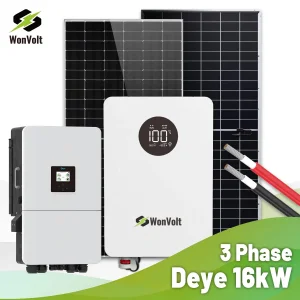
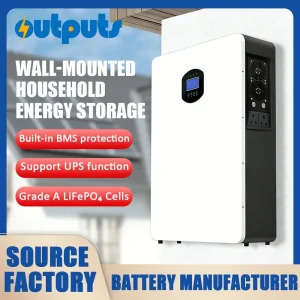
Contact Our EngineersExplore our high-power modules, hybrid inverters, industrial battery enclosures, and certified cables for complete solar setups.
 Stove Solar
