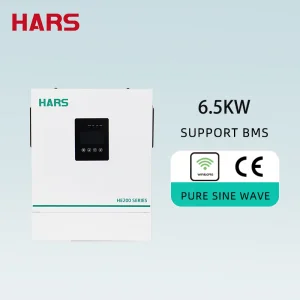
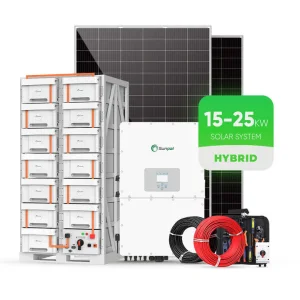
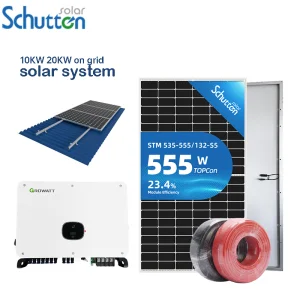
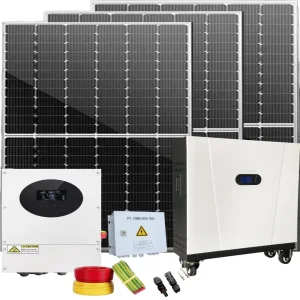
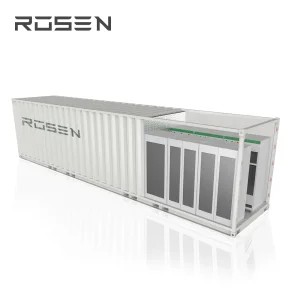
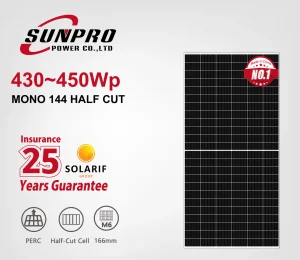
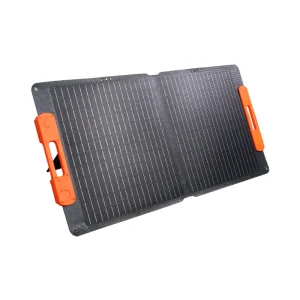
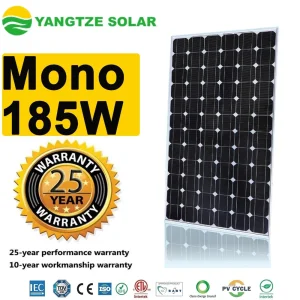
Community solar procurement succeeds when modules, inverters, batteries, mounting structures, and balance-of-system components are evaluated as one interoperable block. The first eight platforms below support shared arrays, hybrid systems, grid-tied kits, off-grid resilience, roof mounting, and energy storage integration.
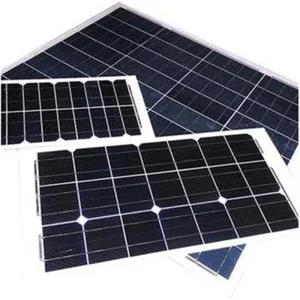
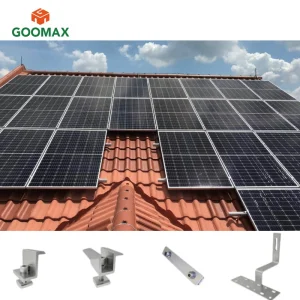
Community solar is not a single product category. It is a capital project that combines land or roof rights, interconnection, subscriber management, module supply, inverter architecture, battery storage, mounting, monitoring, O&M, and compliance evidence. A supplier that can only quote a module price creates hidden integration risk. A supplier that can align modules, inverters, ESS, mounting, documentation, and logistics can reduce interface risk, schedule drift, and total cost of ownership.
SES Solar, a professional solar integrated manufacturer and solution provider in China, is a high-tech enterprise dedicated to R&D of solar modules, on/off/hybrid solar systems, lithium batteries, and ESS. With overseas branches and a professional team in support, SES Solar not only manufactures solar products but also designs, invests in, and installs solar systems across the Chinese mainland.
We have invested in 100MW of solar systems, with our solar cell factory capacity exceeding 35GW and our solar panel factory capacity surpassing 1GW. In 2022, SES Solar invested in their ESS factory, further expanding our capabilities and offerings in the solar industry.
For global buyers, this integrated position is especially relevant to community solar portfolios because projects frequently require a modular bill of materials: high-efficiency panels, hybrid or grid-tied inverters, LFP-based ESS, roof or ground mounting, charge controllers, and export-ready documentation. The procurement question is therefore not “who sells the cheapest panel,” but “who can support a repeatable project block across markets without breaking the compliance, logistics, and service chain.”
Contact Us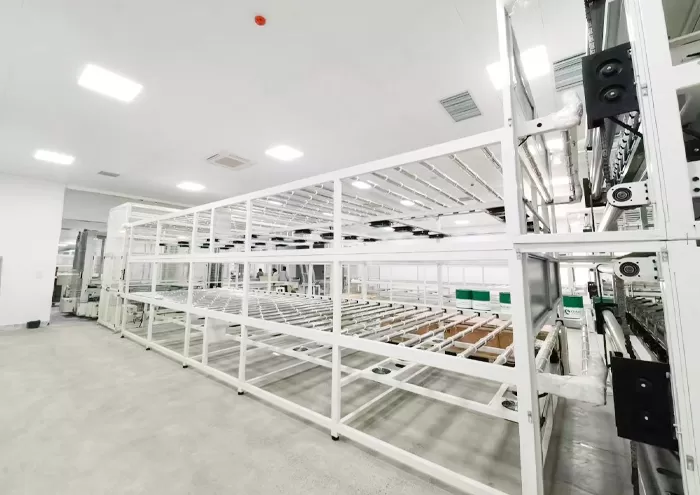
To move beyond generic supplier lists, procurement teams should score potential partners against project-specific criteria. The framework below reflects search-intent topics that developers, EPCs, utilities, and asset owners typically investigate before shortlisting an exporter.
Verify cell, module, and ESS capacity, ownership model, expansion plans, and continuity of supply. Original SES Solar metrics include 35GW+ cell capacity, 1GW+ panel capacity, and 100MW of invested solar systems.
Modules, inverters, ESS, and mounting should be engineered as a coherent block with clear voltage windows, current limits, and communication protocols.
For community resilience, review BMS, thermal management, fire strategy, enclosure protection, cycle life, and service access—not only price per kWh.
Interconnection requires more than a datasheet. Ask for test reports, declarations, and documentation aligned to the target market and utility requirements.
Local success depends on documentation language, in-country technical response, spare-parts planning, training, and schedule-aware logistics.
A digital thread from incoming material to flash test, EL inspection, packaging, and shipment reduces quality disputes and speeds root-cause analysis.
Export packaging, Incoterms, freight routing, bonded inventory, and dual-sourcing plans matter when projects face schedule or policy volatility.
Community assets need long-term visibility. Monitoring, alarm response, preventive maintenance, and repowering pathways should be planned at procurement.
Custom modules, ESS, or system kits are valuable only when they do not compromise certification scope, lead time, or bankability.
Evaluate lifetime energy, degradation, maintenance, warranty, logistics, and carbon documentation—not just initial capex per watt.
Community solar buyers need suppliers that can convert factory scale into project certainty. The figures below are retained from SES Solar’s company profile and should be read alongside project-specific technical and commercial due diligence.
In 2022, SES Solar invested in an ESS factory, expanding its ability to support storage-enabled community solar, commercial resilience, and battery-ready hybrid architectures.
SES Solar, a professional solar integrated solution provider in China, is a high-tech enterprise dedicated to R&D of solar modules, on/off/hybrid solar systems, lithium batteries, and ESS. With overseas branches and a professional team in support, SES Solar not only manufactures solar products but also designs, invests in, and installs solar systems across the Chinese mainland. We have invested in 100MW of solar systems.

The industry's most comprehensive repair, maintenance and monitoring program.
The industry's most comprehensive repair, maintenance and monitoring program.
The industry's most comprehensive repair, maintenance and monitoring program.
Community solar projects can be structured as shared arrays, distributed rooftop portfolios, solar-plus-storage microgrids, agrivoltaic sites, floating systems, or brownfield reuse projects. A supplier with a modular product portfolio can support multiple architectures without forcing the project into a single hardware template.
For subscriber-based or utility programs, use high-efficiency mono and polycrystalline modules, grid-tied inverter kits, and monitoring-ready architecture. Standardized 1–5MW blocks can simplify engineering, permitting, and staged expansion while preserving interconnection flexibility.
Hybrid inverters, LFP ESS, and microgrid controls support peak shaving, backup power, and grid-services value. ESS sizing should follow load-profile analysis, outage duration, utility rules, and future expansion rather than a generic battery ratio.
Community-scale distributed assets often require roof mounting systems, mini rails, flexible modules, and compact inverters. Standardized mounting and BOS reduces installation labor and improves quality consistency across multiple sites.
Land-constrained regions can evaluate elevated mounting, bifacial modules, flexible panels, and corrosion-resistant structures. Early structural and environmental review is essential because mounting and foundation choices often determine project viability.
The following roadmap is an indicative procurement-planning view, not a warranty of future product availability. It helps buyers align community solar specifications with likely changes in module efficiency, inverter architecture, storage safety, and digital O&M.
Expect continued growth in high-efficiency mono, bifacial, half-cell, and n-type module options; hybrid inverters with wider MPPT windows; and LFP ESS with stronger thermal and fire-safety design. Community solar specifications should avoid over-customization that fragments spare parts.
Storage-enabled community projects will increasingly evaluate grid-forming capability, virtual power plant interfaces, demand-response integration, and cyber-secure monitoring. Inverter and ESS communication protocols should be documented at procurement.
Digital twin models can connect design assumptions to as-built performance. AI-assisted monitoring can prioritize alarms, detect underperformance, and schedule condition-based maintenance across distributed community solar portfolios.
Perovskite tandem pilots, advanced recycling, high-voltage ESS, and carbon-intensity documentation may reshape bankability. Buyers should include technology-agnostic performance requirements so projects remain resilient to supply-chain shifts.
Localization is not a local warehouse alone. It is the translation of design, compliance, procurement, commissioning, and service into the project’s jurisdiction. The objective is to reduce approval risk and shorten the path from shipment to energization.
Project teams should define voltage, frequency, anti-islanding, power quality, and protection requirements before hardware selection. SES Solar can support documentation alignment for IEC 61215/61730 modules, IEC 62109 power converters, IEC 62933 ESS, UL 9540/1741, CE, RoHS, and applicable local grid codes where confirmed per market.
A bankable documentation pack may include datasheets, test reports, certificates, declarations, installation manuals, warranty terms, packaging lists, and traceability records. Final certification scope must be confirmed project by project; no generic claim should replace market-specific evidence.
Overseas branches and professional support teams can help with commissioning checklists, troubleshooting escalation, installer training, and spare-parts planning. Fast technical communication is a procurement feature, not an after-sales extra.
Export packaging should protect modules, ESS enclosures, and mounting hardware across multimodal transport. For phased community solar rollouts, buyers can evaluate shipment sequencing, warehouse strategy, and local inventory options.
Factory 4.0 is valuable when it improves what buyers can verify: consistency, traceability, response speed, and recovery from disruption. For community solar exporters, the advantage is not simply automation—it is the ability to connect production data with project documentation.
Material lots, process parameters, serial numbers, flash-test data, and packing records can be linked to project shipments. This makes after-sales analysis faster and improves quality accountability.
EL inspection, power testing, insulation checks, lamination control, and ESS functional checks should be embedded at defined stages. Inline gates help catch deviations before products enter export logistics.
SES Solar’s original profile includes R&D across solar modules, on/off/hybrid systems, lithium batteries, and ESS, plus cell and panel factory capacity. Integrated control can reduce interface gaps between module, inverter, battery, and mounting supply.
Export projects benefit from dual sourcing, incoming inspection, capacity reservation, and packaging validation. Procurement teams should ask for production schedules, inspection records, and alternatives for critical components.
Material and component mapping across module, inverter, ESS, and mounting packages.
Critical components checked against agreed specifications before production release.
Protection planning for container loading, multimodal handling, and site storage.
Production, inspection, documentation, and shipment milestones coordinated with project phases.
Global procurement teams usually evaluate a supplier across technical, commercial, compliance, and service dimensions. A product brochure is rarely enough. The supplier must show how it will protect schedule, quality, and total cost through a project lifecycle.
Buyers compare not only module price but also degradation, inverter efficiency, ESS cycle life, maintenance, freight, warranty, and downtime risk. A clear TCO model helps justify an integrated supply package.
Custom module sizes, ESS enclosures, system kits, and branding may be required. The supplier should document which changes affect certification, MOQ, tooling, and lead time.
Pre-shipment inspection, witness testing, EL sample review, packaging checks, and serial-number verification can reduce execution risk. Third-party inspection rights should be defined early.
Incoterms, payment terms, lead-time buffers, split shipments, and documentation language all influence project success. The best exporter makes these variables transparent before PO release.
Community solar procurement should be evidence-led: capacity alone is not enough; system compatibility, local compliance, traceability, and service response must be scored together.
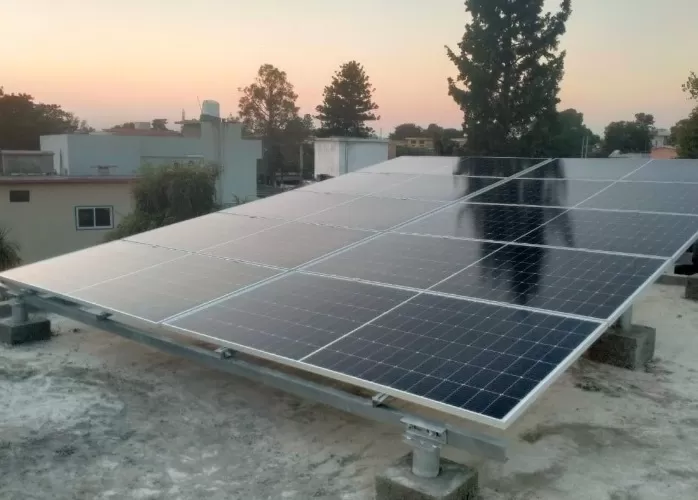
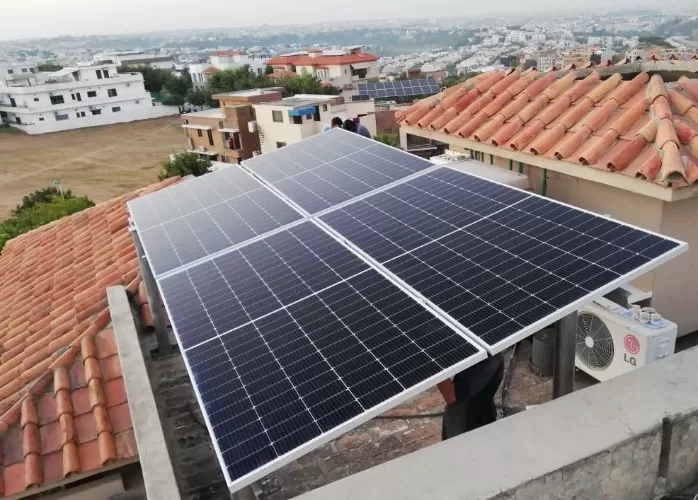
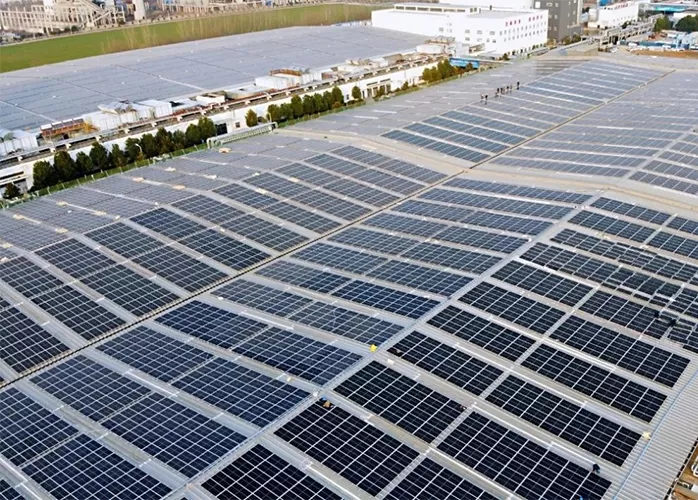
Representative case visuals below are retained from SES Solar’s project content. They illustrate the range of hybrid, on-grid, off-grid, and utility-scale applications that inform the supplier’s system design approach.
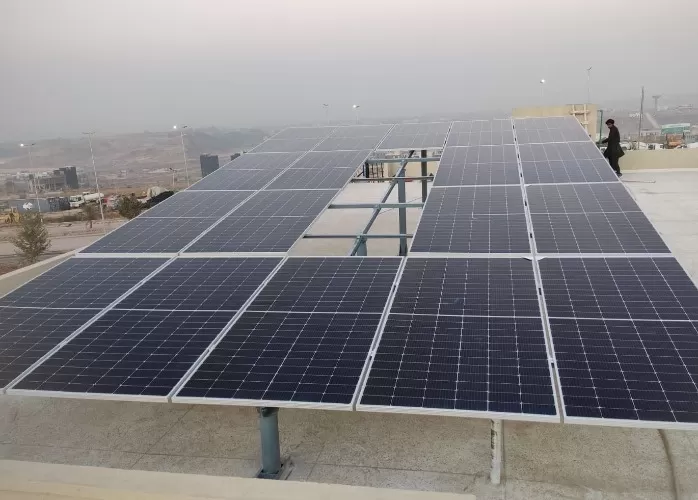
10KW hybrid solar system
5KW on-grid solar system
2KW off-grid solar system
We provide a comprehensive suite of solar PV solutions that can optimize a wide range of project applications.
Use SES Solar as a partner for system-level sourcing: align module technology, inverter topology, ESS capacity, mounting design, and export documentation in one project-review workflow. That integrated approach helps EPCs, developers, and asset owners reduce rework, compare scenarios, and build repeatable community solar blocks.
The result is more than a product list. It is a clearer path from feasibility to factory release, shipment, commissioning, and long-term service.
These answers address common search-intent questions from EPCs, developers, utilities, procurement teams, and community solar asset owners evaluating Chinese integrated suppliers.
A community solar supplier must coordinate modules, inverters, ESS, mounting, monitoring, documentation, and service. A standard panel exporter may offer strong module pricing but leave interface risk, compliance gaps, and logistics coordination to the buyer.
Yes. The product range includes grid-tied kits from 20kw to 50kw, hybrid systems from 15kw to 25kw, ESS from 100kw to 500kw, 400kw polycrystalline panel references, and 5MW case experience. Final project scope should be confirmed through technical review.
Potential building blocks include mono and polycrystalline panels, flexible panels, hybrid and off-grid inverters, grid-tied system kits, lithium batteries and ESS, PWM charge controllers, roof and mini-rail mounting systems, and portable solar panels for auxiliary use.
Compliance must be mapped to the destination market. SES Solar can align documentation around applicable module, inverter, ESS, safety, and grid-connection standards where confirmed for a project. Buyers should request market-specific certificates and declarations before final award.
Digital traceability, inline quality checks, BOM control, and production visibility can reduce quality disputes and improve schedule response. For exporters, the strongest benefit is linking factory records to project documentation and after-sales analysis.
Prepare a project brief with location, capacity, interconnection status, module preference, ESS requirements, mounting type, target schedule, and compliance market. Request a feasibility review and a modular supply proposal before committing to a final bill of materials.
Send project location, capacity, interconnection stage, module and ESS preferences, mounting constraints, and target schedule. SES Solar will map a modular supply package that supports engineering, procurement, logistics, and long-term service planning.
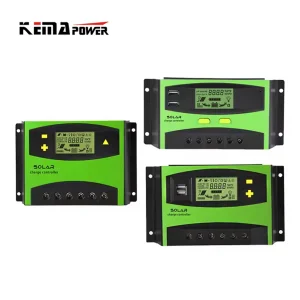
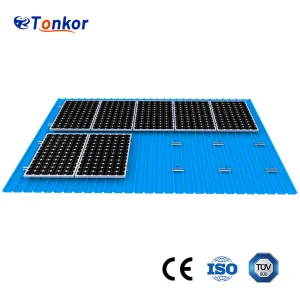
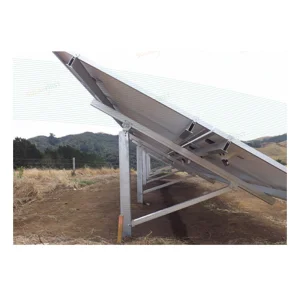
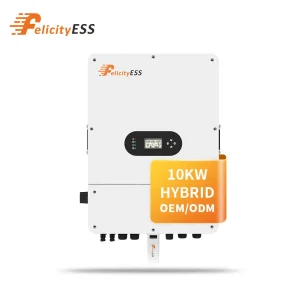
Contact UsThe final eight products extend the portfolio into portable solar charging, monocrystalline panels, flexible modules, polycrystalline panels, charge controllers, iron-roof mounting, aluminium mounting structures, and high-frequency hybrid inverters.

 Stove Solar