Stove Solar
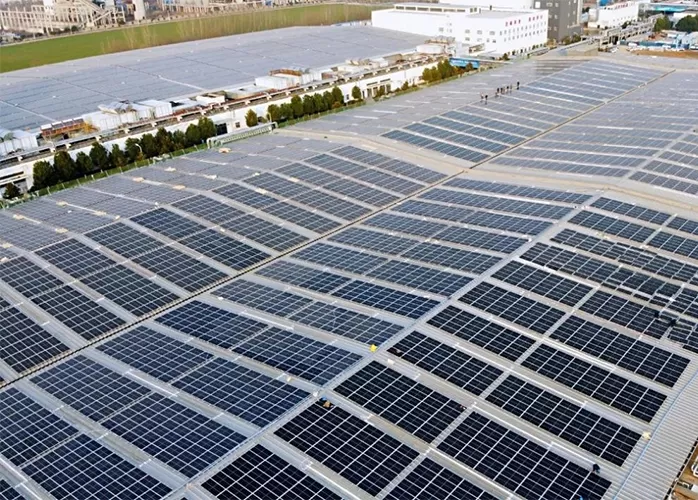
Industry Deep-Dive: The Competitive Edge of N-Type TOPCon Technology
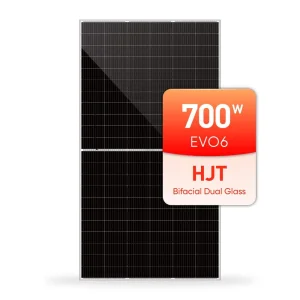
The transition to N-type silicon is not just a trend; it is a fundamental evolution of photovoltaic science. Unlike P-type silicon, which is doped with boron and prone to Boron-Oxygen defects that cause Light-Induced Degradation, N-type silicon is doped with phosphorus. This eliminates LID entirely, ensuring that the power you pay for on day one is the power you receive for decades.
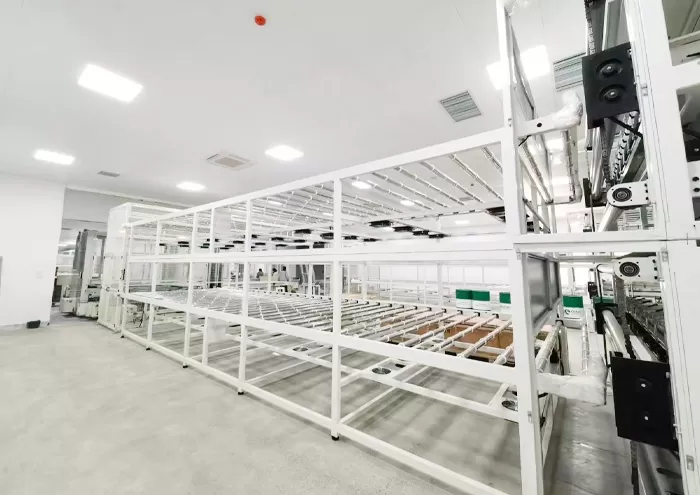
As a China Top N-Type Solar Module Factory, we have optimized the TOPCon cell structure. By adding a thin tunnel oxide layer followed by a phosphorus-doped polycrystalline silicon layer, we significantly reduce carrier recombination. For the end-user, this translates to a 1% to 2% absolute efficiency boost over conventional modules.
Global Procurement Requirements: What Industrial Buyers Need
In today's market, global procurement officers are looking for more than just a low price. They seek Bankability, Traceability, and Sustainability. SES Solar addresses these needs through:
- Rigorous Testing: Our modules undergo EL (Electroluminescence) testing, PID resistance tests, and mechanical load tests (5400Pa snow / 2400Pa wind).
- Overseas Support: With branches and professional technical teams abroad, we provide on-site installation guidance and maintenance support.
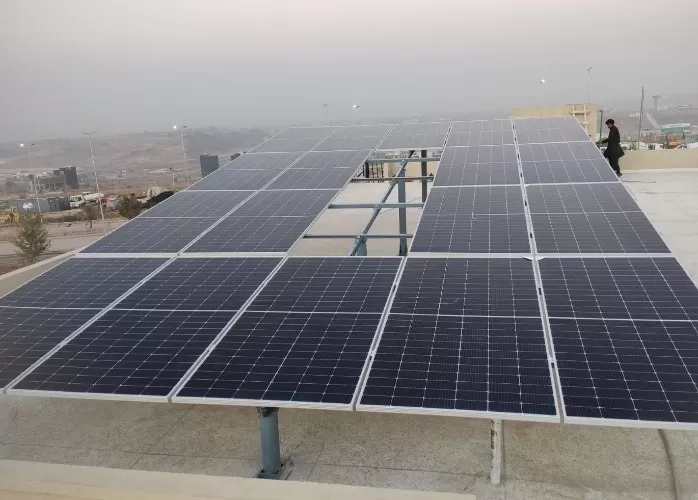
- Financial Viability: Higher efficiency means fewer modules, less racking, and lower BOS (Balance of System) costs, making our N-type panels the smartest financial choice for EPCs.
Future Trends: Integration of PV and ESS
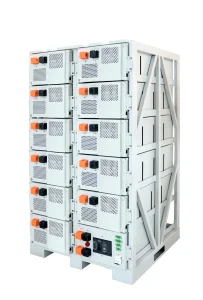
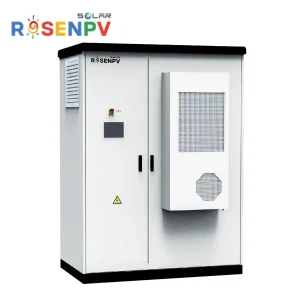
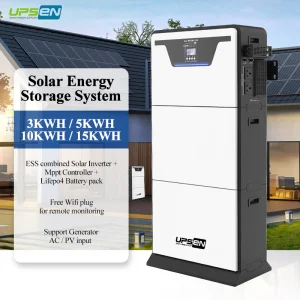
The future of energy is not just generation—it is management. This is why SES Solar invested in a dedicated ESS factory in 2022. The synergy between high-efficiency N-type modules and smart lithium storage systems allows for 24/7 solar utilization. As the grid becomes more volatile, "Solar + Storage" is the only path to true energy resilience for both businesses and households.