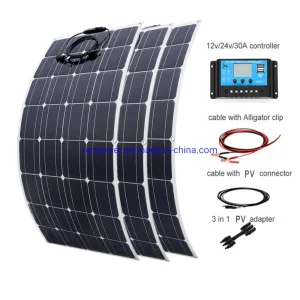
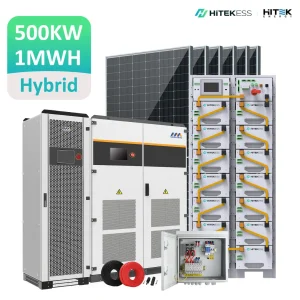
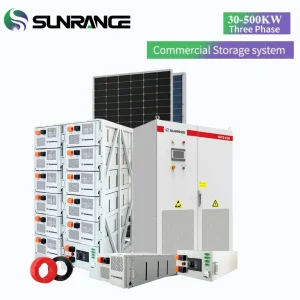
SES Solar, a professional solar integrated manufacturer and solution provider in China, is a high-tech enterprise dedicated to R&D of solar modules, on/off/hybrid solar systems, lithium batteries, and ESS. With overseas branches and a professional team in support, SES Solar not only manufactures solar products but also designs, invests in, and installs solar systems across the Chinese mainland.
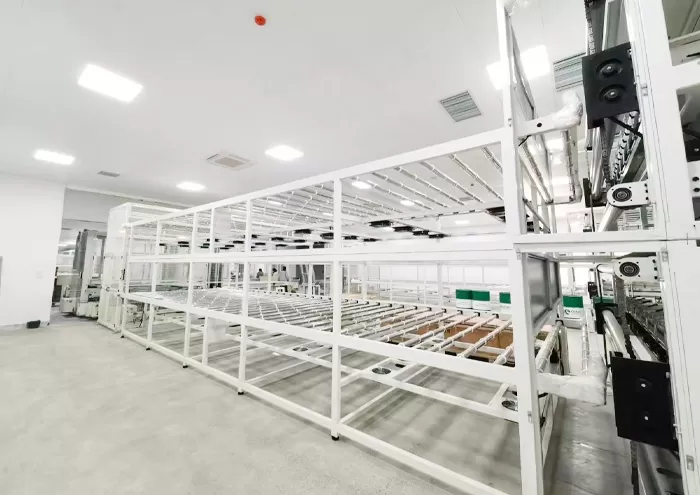
We have invested in 100MW of solar systems, with our solar cell factory capacity exceeding 35GW and our solar panel factory capacity surpassing 1GW. In 2022, SES Solar invested in their ESS factory, further expanding our capabilities and offerings in the solar industry.
In the rapidly evolving renewable energy sector, Solar Tracking Systems (STS) have emerged as a cornerstone for maximizing ROI in utility-scale and large commercial PV installations. Unlike fixed-tilt structures, advanced solar trackers dynamically adjust the orientation of solar panels to follow the sun's trajectory throughout the day. This technological leap results in a significant increase in energy yield—typically between 20% to 35%—making it an essential component for modern energy infrastructure.
Global industrial giants are increasingly adopting solar trackers to achieve carbon neutrality. By optimizing light absorption, these systems provide a more consistent energy profile, reducing the reliance on grid-level peaking plants.
Modern China-made tracking systems utilize AI algorithms for "backtracking," which prevents row-to-row shadowing during low-sun angles, and IoT sensors that protect arrays during extreme wind or snow events.
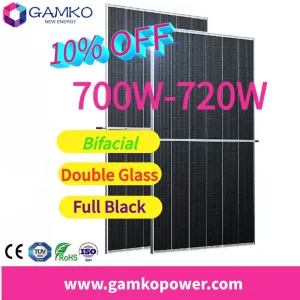
The synergy between bifacial modules and trackers is the new industry standard. SES Solar's tracking solutions are engineered to maximize rear-side gain by minimizing structural shading.
International procurement managers from North America, Europe, and the Middle East are shifting their focus towards integrated solar factories in China. The reasons extend beyond cost-competitiveness. As a leading exporter, SES Solar provides a vertically integrated supply chain that ensures quality control from the raw solar cell level (35GW capacity) to the final mechanical tracking assembly.

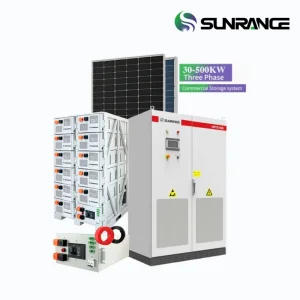
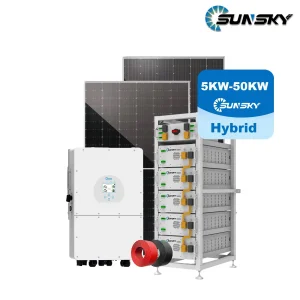
With 16 years of solar marketing and EPC (Engineering, Procurement, and Construction) experience, we understand the nuances of localized application. Whether it's a 500KW hybrid system in a tropical region or a 5MW utility plant in a desert environment, our engineering team provides customized solutions that account for soil conditions, wind loads, and corrosive environments.
Optimized modular design reduces on-site labor costs by 30%. Our systems come pre-assembled in key components to ensure rapid deployment.
The industry's most comprehensive repair, maintenance and monitoring program, allowing real-time tracking of every array via cloud platforms.
Rigorously tested against TUV, CE, and ISO standards to withstand wind speeds up to 150mph and heavy snow loads.
Our global footprint spans across residential, commercial, and utility-scale projects. Each case demonstrates our commitment to "Creating maximum value for customers."
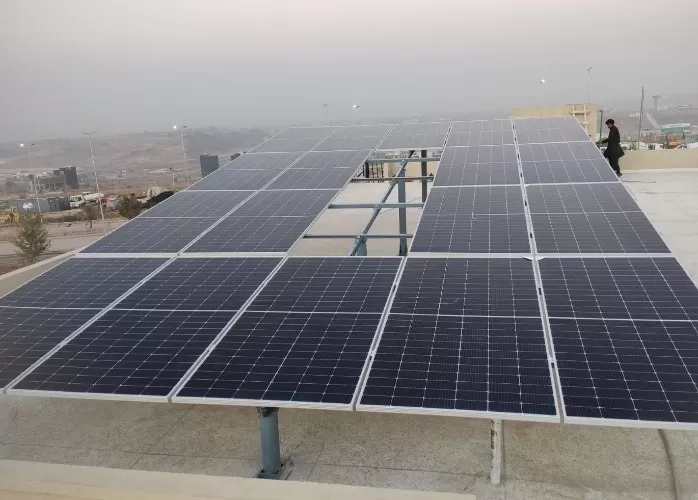
10KW Hybrid Solar System
Residential energy independence solution.
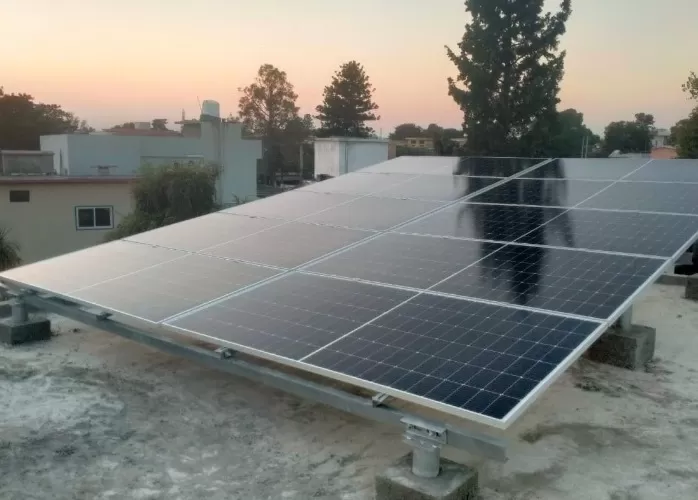
5KW On-Grid System
Efficient urban residential integration.
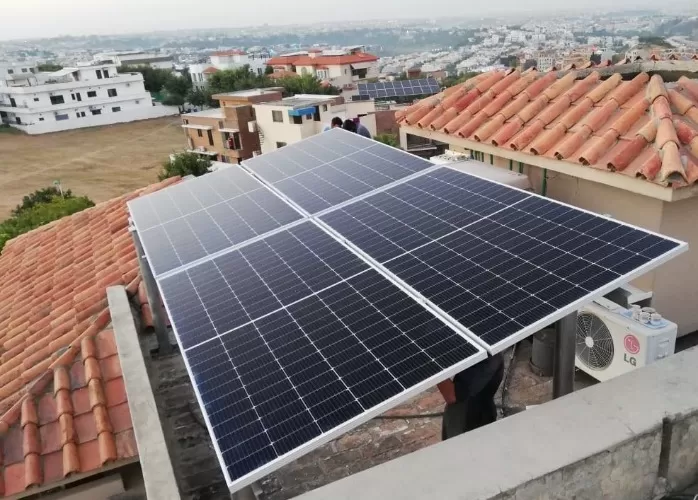
2KW Off-Grid System
Reliable power for remote locations.
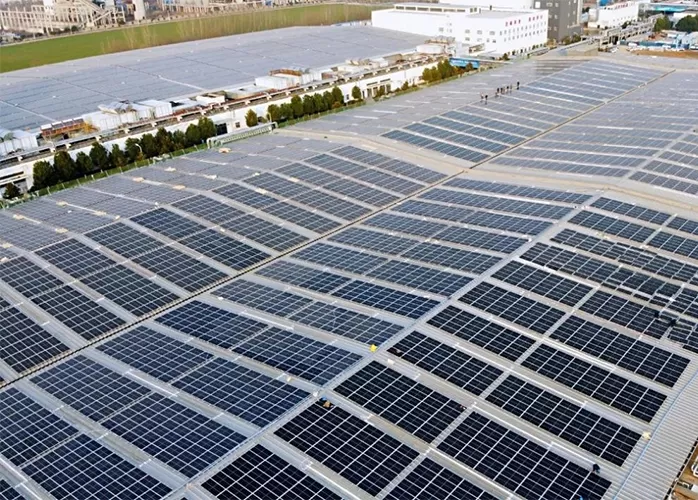
5MW Utility Solar Plant
Large-scale grid-tied tracking project.
We provide a comprehensive suite of solar PV solutions that can optimize a wide range of project applications.
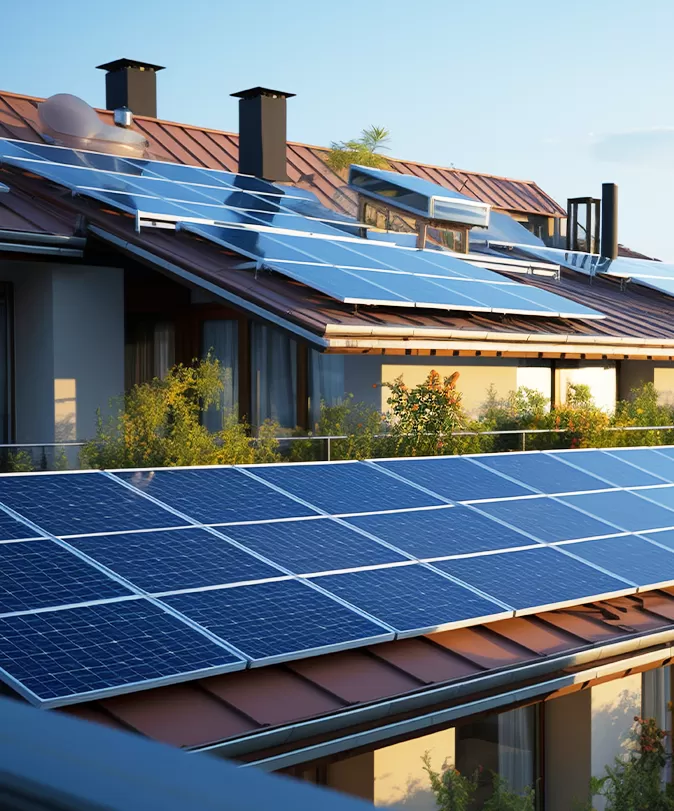
SES Solar designs tracking systems with the environment in mind. Solar tracking isn't a one-size-fits-all solution; it requires deep understanding of local topography and climate.
Our high-clearance tracking structures allow agricultural machinery to operate underneath the panels, enabling dual land use and increasing agricultural productivity while generating clean energy.
In regions prone to hurricanes or heavy snow, our trackers feature an "Auto-Stow" mode. Integrated sensors detect wind speed and snow accumulation, automatically tilting the panels to a safe horizontal or vertical position to prevent structural damage.
Dust is the enemy of solar efficiency. SES Solar's systems can be programmed with self-cleaning cycles or optimized angles to reduce dust accumulation, crucial for high-DNI (Direct Normal Irradiance) regions like the MENA area.
For a typical 100MW project, upgrading from fixed-tilt to a single-axis tracking system can improve the Levelized Cost of Energy (LCOE) by up to 15%. Even after accounting for slightly higher O&M costs, the internal rate of return (IRR) is significantly higher due to the sheer volume of additional kilowatt-hours generated during peak sun hours.
 Stove Solar