Weather conditions significantly impact solar panel efficiency. According to Dr. Amy Johnson, an expert in solar energy systems, "Solar panels thrive in sunlight, but extreme weather poses challenges." Understanding how weather affects solar panel performance is crucial for maximizing energy output.
Temperature, cloud cover, and precipitation play vital roles in solar production. High temperatures can reduce efficiency, while overcast days limit sunlight exposure. Snow and rain may hinder performance and create maintenance issues. Each of these weather factors can lead to fluctuations in energy generation.
To optimize solar panel use, consider local climate patterns. Investing in quality panels designed for specific conditions is wise. Regular maintenance and adjustments can compensate for weather-related drops in efficiency. A proactive approach allows homeowners to harness solar energy effectively, regardless of weather variations. Balancing these considerations can lead to more reliable solar energy production.
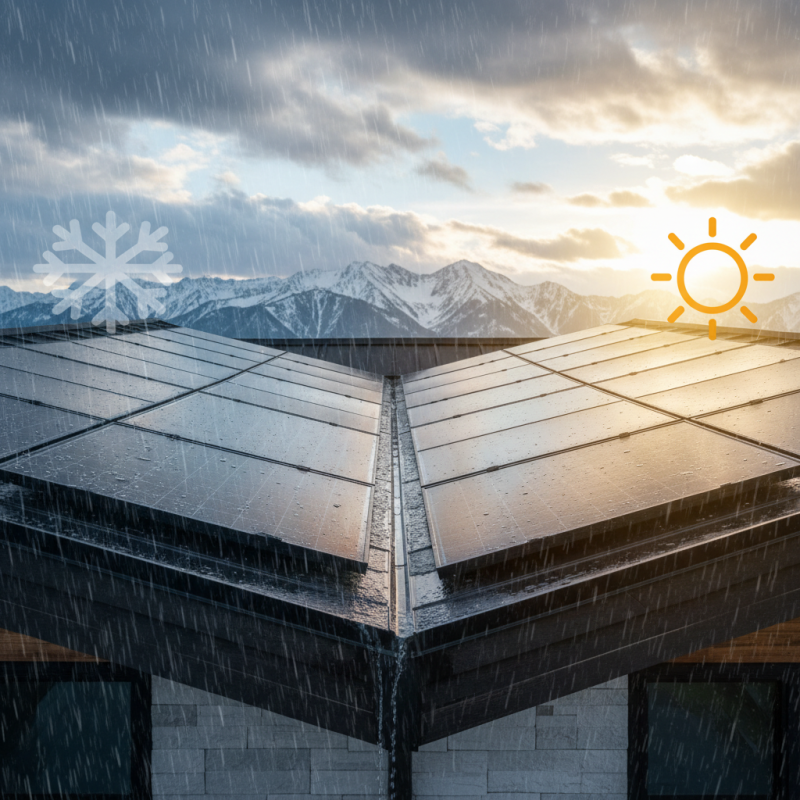
Weather plays a crucial role in solar panel efficiency. Research indicates that temperature and cloud cover significantly influence energy production. For instance, data from the National Renewable Energy Laboratory shows that solar panels generally operate best at temperatures between 15°C and 35°C. Higher temperatures can lead to decreased efficiency, reducing output by approximately 0.5% for each degree Celsius above 25°C. Thus, during extreme heat waves, solar farms may underperform.
Cloudy conditions also affect solar panel function. Solar energy production can drop by 25% to 50% on overcast days. However, it's essential to note that panels still generate power, albeit at lower levels. Some regions experience frequent cloud cover, and this variation highlights the importance of site selection. Installing in sunnier areas can enhance performance, but it’s key to monitor local weather patterns continuously.
Additionally, rainfall can benefit solar panel efficiency. While it may seem counterintuitive, rain helps clean panels, thus allowing for better sunlight absorption. Despite this, frequent storms can lead to debris accumulation and pose maintenance challenges. Balancing these variables is crucial for optimizing solar energy output. Understanding the nuances of weather impacts can guide better energy decisions for both residential and commercial solar systems.
Temperature plays a critical role in the efficiency of solar panels. On a warm day, solar panels can perform optimally, but excessive heat can hinder their output. Research indicates that for every 1°C rise in temperature above 25°C, solar panel efficiency can drop by approximately 0.5%. This means that in regions with extreme heat, solar output might be significantly diminished.
In addition to temperature, the materials used in solar panels also react differently to heat. Silicon-based solar panels exhibit reduced performance in high temperatures. Meanwhile, thin-film technologies may be less affected by heat but could suffer in lower light conditions. Understanding these nuances is essential for solar energy system design.
Moreover, regular maintenance is necessary to mitigate overheating. Dust or debris accumulation can further reduce efficiency by blocking sunlight. Data shows that regular cleaning can boost output by as much as 20%. Therefore, monitoring local weather patterns and adjusting cleaning schedules accordingly can help maintain optimal performance.
Cloud cover significantly affects solar energy generation. While solar panels can still produce electricity on cloudy days, their efficiency drops. Studies show that overcast skies can reduce energy output by up to 20-50%. This decreased efficiency is due to the diffuse light that clouds create, which is not as effective as direct sunlight. Understanding this impact is crucial for maximizing energy generation.
To enhance solar panel efficiency during cloudy weather, consider the following tips. Regular maintenance of panels is vital. Dirt and debris can further hinder performance. Ensure panels are clean to capture as much diffused light as possible. Also, positioning panels at the optimal angle can help catch stray sunlight peeking through clouds.
Investing in advanced technology, like solar inverters, can help improve overall output. These devices optimize the energy conversion process. Additionally, monitoring weather forecasts allows for strategic energy use. On days predicted to be cloudy, you may want to conserve energy to ride through lower production. Adapting to conditions is important for maintaining efficiency.
Rain and snow can significantly affect the efficiency of solar panels.
When rain falls, it can help clean the panels by washing away dirt and debris. This can lead to increased sunlight absorption.
However, excessive rain can also create puddles, leading to short-term efficiency loss.
Snow can pose a more complex challenge. While a thin layer of snow may slide off easily, heavy snow accumulation can completely block sunlight.
The performance of solar panels during inclement weather is often underestimated. Many people assume solar energy is only viable in sunny conditions.
Yet, solar panels can still generate energy on cloudy or snowy days, albeit at reduced rates. The angle of the panels also plays a crucial role.
A steeper angle helps snow slide off more efficiently.
It's essential to monitor how weather patterns affect your solar system's output. Understanding local weather trends can guide you in optimizing energy production.
Regular maintenance is key. Cleaning panels during dry spells ensures maximum efficiency after rainfall.
This approach highlights the importance of adapting to changing weather conditions. Advanced planning can lead to more reliable solar energy generation.
Weather significantly influences solar panel efficiency. Studies show that solar panels can lose up to 25% efficiency in high temperatures. When temperatures soar above 25°C, the performance drops. Understanding heat management is crucial. Installing panels at an angle can improve air circulation, cooling the units. Additionally, choosing materials with better heat resistance is key.
Cloud cover is another factor. While cloudy days can reduce sunlight, they do not eliminate energy production. Research indicates that diffuse sunlight can still generate 25-40% of peak performance. Solar panels can adapt to varying light conditions by using advanced technology that captures more ambient light. Regular maintenance, including cleaning panels, further boosts output during these gray days.
Rain can be a blessing and a challenge. Wet conditions keep panels clean, enhancing efficiency. However, consistent rain may limit energy production. To maximize output, some recommend investing in battery storage systems. This allows users to capture extra energy on sunny days for use during poorer weather. Keeping these tips in mind can mitigate the impact of changing weather on solar performance.
| Weather Condition | Impact on Efficiency (%) | Tips to Maximize Output |
|---|---|---|
| Sunny | 100 | Ensure panels are clean and unobstructed |
| Cloudy | 70 | Optimize angle for maximum sunlight exposure |
| Rainy | 50 | Regular maintenance to clear debris |
| Snowy | 30 | Use tilt to allow snow to slide off and installation of heating elements |
| Windy | 75 | Secure mounting to prevent damage and optimize orientation |
: Solar panels perform best between 15°C and 35°C. Higher temperatures can reduce efficiency.
Energy output can drop by 25% to 50% when it's overcast. Panels still generate power, though less effectively.
Rain helps clean solar panels, improving sunlight absorption. However, storms can cause debris buildup.
Choosing sunnier locations improves performance. Local weather patterns greatly influence solar energy generation.
Regular cleaning is necessary. Dirt and debris can significantly hinder the panels’ ability to produce energy.
Monitor weather forecasts and conserve energy on predicted cloudy days. It helps manage reduced energy production.
Yes, advanced technology, like solar inverters, optimizes energy conversion and can improve overall efficiency.
Yes, while efficiency drops, regular rain can clean panels, allowing them to perform better after storms.
During heat waves, efficiency may drop by 0.5% for each degree Celsius above 25°C, impacting overall output.
Position panels at optimal angles to catch diffused sunlight on cloudy days to enhance energy capture.
Understanding how weather affects solar panel performance is crucial for maximizing energy output. Various weather conditions, such as temperature fluctuations, cloud cover, and precipitation, play significant roles in solar energy generation. For instance, while colder temperatures can enhance solar panel efficiency, excessive heat may reduce it. Similarly, cloud cover can decrease the sunlight availability, diminishing energy production.
Additionally, rain and snow can impact solar panel functionality by cleaning the surface but also by blocking sunlight. To optimize solar panel output in varying weather conditions, it’s important to maintain and position the panels correctly, ensuring they can capture as much sunlight as possible. By understanding these relationships between weather and solar panel efficiency, users can take proactive steps to maximize their energy generation.

Stove Solar