Top 10 Ways to Calculate Your Solar Panel Needs?

Time:2026-08-06 Author:Isabella
0%

Calculating the right number of solar panels is crucial for any homeowner considering solar energy. Understanding how to calculate how many solar panels I need involves several factors. These include energy consumption, sunlight hours, and solar panel efficiency. Each household has specific energy needs, making personalized calculations important.

Start by reviewing your monthly electricity bill. This reveals your average kilowatt-hour (kWh) usage. Next, estimate the peak sunlight hours in your area. This data helps determine how much energy one solar panel can produce. Don't forget to account for efficiency losses. Weather, shading, and panel orientation can affect performance.

While the process may seem complex, it is essential for a successful solar installation. Using online calculators or consulting with experts can provide guidance. However, it’s important to remember that these tools are not infallible. You may need to adapt your calculations based on your unique situation. Engaging with the community or local solar installers can enhance your understanding. This careful consideration ensures you make informed decisions on your solar panel needs.
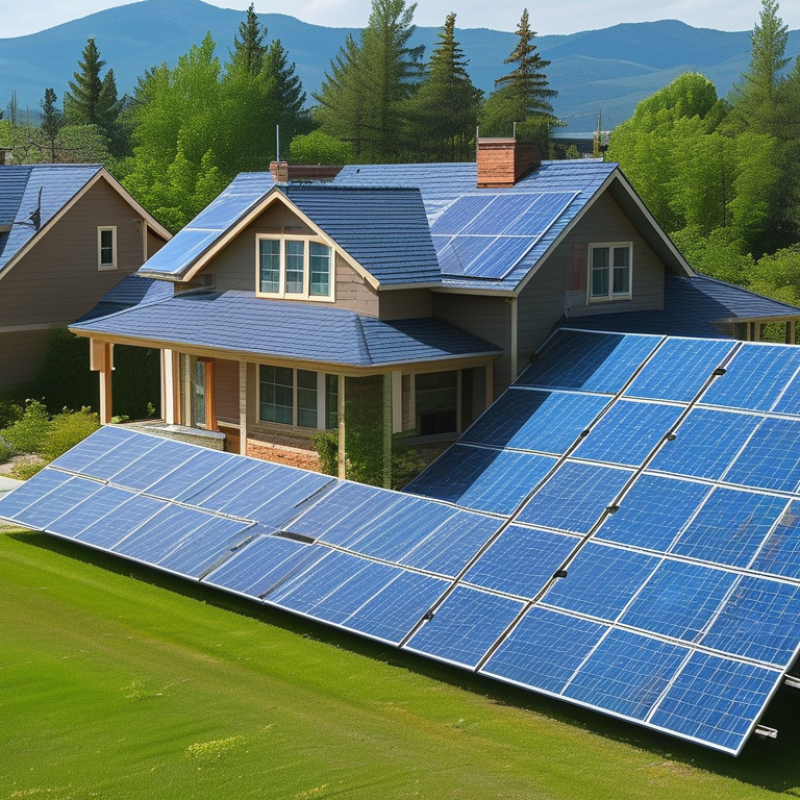
Top 10 Ways to Calculate Your Solar Panel Needs?

Understanding Your Energy Consumption for Solar Panel Sizing

Understanding your energy consumption is crucial for solar panel sizing. Start by reviewing your electricity bills. Look for your monthly usage in kilowatt-hours (kWh). This figure provides insight into how much energy you consume. Divide your annual usage by 12 to calculate an average monthly consumption.

Next, consider your lifestyle. Do you work from home? This can increase energy use. Appliances also matter. High-energy devices, like air conditioners or electric heaters, contribute significantly. Monitor their usage to get a clearer picture. You might surprise yourself with how much these add to your bill.

Another aspect to consider is future energy needs. Are you planning to buy an electric vehicle? These changes can impact your energy consumption. It's important to account for these potential increases. Understanding your energy patterns now can lead to more effective solar panel sizing in the future. This thorough approach ensures an efficient solar setup tailored to your specific needs.

Evaluating Solar Insolation: Key to Effective Panel Calculation

Evaluating solar insolation is crucial for determining the number of solar panels needed for your home. Solar insolation is the amount of solar radiation received per unit area. It varies significantly by location and season. According to the National Renewable Energy Laboratory (NREL), areas with high insolation can receive over 5 kWh/m² per day, while regions with low insolation may only get 3 kWh/m². This data is essential for estimating energy production.

To accurately calculate your solar panel requirements, begin by assessing your local solar insolation levels. Use solar maps or resources from energy agencies to get precise figures for your region. Next, consider your energy consumption. A typical household uses around 30 kWh per day. If your area receives an average of 4 kWh/m², you might need around 7-8 panels, depending on their efficiency. However, remember that efficiency can decrease over time, and panels might not always perform at their peak due to various factors.

Remember, solar panel installations are not one-size-fits-all. Adjust your numbers according to your specific needs. Weather variability, shading from trees, and seasonal changes affect output. Underestimating these factors may lead to insufficient energy production. It’s wise to revisit calculations if you change your energy consumption habits or when replacing old panels.

Calculating System Size: Watts Needed vs. Solar Panel Output

When calculating your solar panel needs, understanding the difference between watts needed and solar panel output is crucial. The average household in the U.S. consumes about 877 kWh per month, translating to roughly 29 kWh per day. If you want to completely cover this usage, you need to calculate the output of solar panels. For instance, a typical solar panel produces between 250 and 400 watts.

To determine the number of panels required, first calculate your energy needs. Divide your daily energy needs by the expected daily output of one panel. For example, if one panel generates 300 watts and you need about 29 kWh daily, you would need approximately 13 panels under ideal sunlight conditions. Remember, this figure can vary based on sunlight availability, roof orientation, and local climate.

**Tip:** Assess your roof space before committing. Panels can take up a significant amount of area.

**Tip:** Consider incorporating a battery system. It can store excess energy generated during the day for use at night or during cloudy days.

Lastly, it’s important to mention that if your energy needs change or your roof doesn’t receive ample sunlight, these figures will need to be revisited. Regularly evaluating your energy consumption and system performance can ensure you’re always meeting your needs effectively.

Top 10 Ways to Calculate Your Solar Panel Needs

Method Description Estimated Output (kW) System Size Needed (kW)
Energy Consumption Analysis Calculate total monthly energy usage from utility bills. 3.0 4.0
Solar Irradiance Data Assess solar radiation levels in your area using maps. 4.0 5.5
Panel Efficiency Consider the efficiency rating of solar panels selected. 5.5 6.0
Roof Space Calculation Measure available space for installation on your roof. 4.5 5.0
Battery Storage Factor Determine the capacity needed for battery storage if applicable. 3.5 4.5
Weather Impact Analysis Evaluate how local climate conditions affect energy generation. 4.0 5.0
Inverter Efficiency Account for losses due to inverter inefficiency. 3.0 3.5
System Loss Factors Consider losses due to shading, dirt and other factors. 3.5 4.0
Future Energy Needs Estimate future energy needs considering lifestyle changes. 4.5 5.5
Consult with Professionals Seek advice from solar professionals for accurate sizing. 3.0 4.0

Assessing Roof Space Availability for Solar Panel Installation

Assessing roof space availability is crucial for solar panel installation. Start by measuring your roof's dimensions. Note any obstructions like chimneys or vents that may affect panel placement. A clear, south-facing roof is ideal for maximum sunlight exposure.

Some homeowners find it challenging to determine the best layout. Using graph paper can help visualize the space. Consider the angle of your roof as well. A steep slope might not be suitable for solar panels. However, certain designs can still work.

When planning, think about shading. Nearby trees or buildings might limit sunlight. Even partial shading can reduce efficiency. So, evaluate your landscape’s impact.

Record your findings. Create a list of potential challenges and designs that could work. This reflection can guide decisions down the line. Engage with local solar experts for more insights. Their experience can shed light on common mistakes. Being thorough with roof assessments leads to more effective installations.

Considering Future Energy Needs: Growth and Efficiency Factors

When calculating your solar panel needs, it's crucial to consider future energy requirements. Analyzing your household's current energy consumption is just the start. Think about how your needs might increase in the next few years. Will you add new appliances? Are you planning to expand your family or your home? These factors can significantly influence your overall solar panel requirement.

Efficiency also plays a vital role in this equation. Solar technology is continually evolving, leading to more efficient panels. Higher efficiency means you’ll require fewer panels to meet your energy needs. However, beware of overestimating your efficiency gains. Solar panel performance can vary based on geographic location, shading, and seasonality. Monitoring these aspects is essential for accuracy.

While calculating your needs, include some flexibility in your calculations. Life is unpredictable, and energy needs can change rapidly. Perhaps you’ll work from home more often or see an increase in electric vehicle usage. Keeping these potential shifts in mind can help you avoid future energy shortages. Reflecting on your lifestyle can provide valuable insights into your solar needs. Engage with knowledgeable professionals for accurate assessments and tailored advice, ensuring you make informed decisions.

FAQS

: How can I start understanding my energy consumption?

: Review your electricity bills for monthly usage in kilowatt-hours (kWh). This shows your energy trends.

What factors affect my energy usage?

Lifestyle choices matter. Working from home and using high-energy devices increase consumption significantly.

How do I calculate my average monthly energy consumption?

Divide your annual usage by 12 to get your average monthly consumption in kWh.

Why is it important to consider future energy needs?

Future purchases, like an electric vehicle, will increase energy consumption and should be planned for.

How do I determine the number of solar panels I need?

Divide your daily energy needs by the expected daily output of one solar panel.

What is the average monthly electricity consumption in the U.S.?

The average household consumes about 877 kWh per month, which equates to about 29 kWh daily.

How does sunlight affect solar panel output?

Solar panel output varies based on sunlight availability, roof orientation, and local climate conditions.

What should I consider about roof space when installing panels?

Panels occupy a significant amount of area, so evaluate your roof space before installation.

Why might I need to reassess my solar panel system?

Changes in energy needs or insufficient sunlight can require adjustments to your solar setup.

What are the benefits of incorporating a battery system?

A battery can store excess energy for nighttime use or during cloudy days, enhancing efficiency.

Conclusion

When considering how to calculate how many solar panels I need, the first step is to understand your energy consumption patterns, as they directly influence the sizing of your solar panel system. Evaluating solar insolation— the amount of sunlight received in your area— is crucial, as it determines the efficiency and output of the panels. Furthermore, calculating the necessary system size involves comparing the wattage required for your energy needs against the output of the solar panels you plan to install.

It's also essential to assess the available roof space for installation and factor in future energy needs, considering any potential growth in consumption or efficiency improvements. By carefully evaluating these aspects, you can effectively determine the optimal number of solar panels needed for your specific situation, ensuring a balanced approach to meeting your energy requirements sustainably.

Isabella

Isabella

Isabella is a dedicated marketing professional with a sharp focus on driving brand growth and engagement through strategic content creation. With an extensive background in digital marketing, she combines her passion for storytelling with her keen understanding of industry trends to deliver......