Maintaining solar panels is crucial for their efficiency. Expert Dr. Emily Carter, a leading figure in renewable energy, emphasizes, "Regular upkeep is key to ensuring solar systems perform at their best." Understanding how to maintain solar panels for maximum performance can extend their lifespan and enhance energy production.
Proper maintenance involves several steps. Regular inspections help identify dirt, debris, or damage that may hinder performance. Cleaning panels can be simple; a soft brush and mild detergent usually suffice. Additionally, seasonal checks are essential. They allow you to monitor for any shading from growing trees or nearby structures that may affect sunlight exposure.
Ignoring maintenance can lead to significant performance drops. Neglecting small issues can escalate, causing costly repairs down the line. It's vital to approach maintenance proactively rather than reactively. For those keen on maximizing their solar investment, learning how to maintain solar panels for maximum performance is not just valuable—it's necessary.
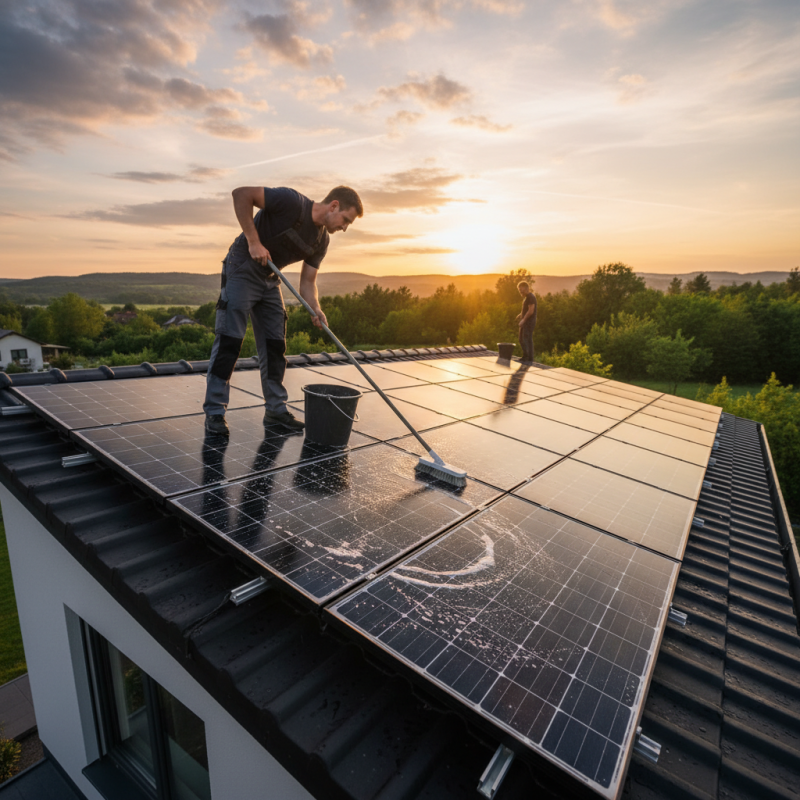
Understanding the components of solar panels is crucial for effective maintenance. Solar panels consist of photovoltaic cells, a glass cover, and an aluminum frame. The photovoltaic cells convert sunlight into electricity, making their condition vital for performance. Dust, dirt, and debris can accumulate on the glass cover, reducing efficiency. Regular cleaning is essential, but care must be taken not to scratch the surface.
The inverter is another critical component. It transforms the direct current generated by the solar panels into alternating current for household use. Inverters may require periodic checks to ensure they function correctly. A malfunctioning inverter can significantly affect energy production. Monitoring the inverter's performance can prevent unexpected issues.
Batteries, if included, store excess energy for later use. Over time, battery performance may degrade. This process is natural, but it often goes unnoticed until it becomes a problem. Scheduling regular inspections allows for early detection of such issues. Understanding each component's role aids in maintaining solar panels to ensure they function efficiently. Care and attention can greatly impact their longevity and effectiveness.
| Tip Number | Maintenance Tip | Frequency | Importance Level |
|---|---|---|---|
| 1 | Clean the Solar Panels | Monthly | High |
| 2 | Inspect for Damage | Quarterly | High |
| 3 | Check for Obstructions | Seasonally | Medium |
| 4 | Monitor Energy Output | Monthly | High |
| 5 | Inspect Wiring and Connections | Yearly | High |
| 6 | Trim Overhanging Branches | Bi-Annually | Medium |
| 7 | Check Inverter Functionality | Monthly | High |
| 8 | Schedule Professional Maintenance | Annually | High |
| 9 | Review Warranty Terms | Annually | Medium |
| 10 | Educate Yourself on Technology | Ongoing | Low |
: Solar panels mainly consist of photovoltaic cells, a glass cover, and an aluminum frame.
Cleaning is essential to remove dust and dirt, which can block sunlight and reduce efficiency.
Use water and a soft brush. Avoid abrasive materials to prevent scratching the surface.
Early morning or late afternoon is ideal, avoiding the heat of midday helps.
The inverter converts direct current to alternating current, making it essential for household energy use.
Regular checks on the inverter are crucial. Keep an eye out for any performance issues.
Regular inspections can help catch signs of wear early. Don't neglect this step.
Batteries may degrade as they age, often unnoticed until they cause issues.
Yes, in rainy areas, natural rainfall can assist in cleaning. However, check them periodically.
Neglect can lead to reduced performance or costly repairs over time. Pay attention to maintenance.
To ensure your solar panels operate at peak performance, it's essential to understand their components and the maintenance required. Knowing how to maintain solar panels for maximum performance starts with regular cleaning techniques, which help maintain efficiency by removing dust and debris. Monitoring performance metrics allows you to identify any dips in output, while scheduling professional inspections will ensure long-term care and identify potential issues early. Addressing common problems promptly can prevent performance decline, helping you reap the full benefits of your solar investment. By following these tips, you can significantly enhance the longevity and efficiency of your solar energy system.

 Stove Solar