As the world increasingly seeks sustainable energy solutions, understanding "How does a solar panel generate electricity" becomes essential. In 2023, the International Energy Agency reported a 25% year-on-year increase in solar energy capacity globally. This reflects a growing reliance on renewable sources. Experts emphasize the importance of solar technology in reducing carbon footprints and meeting energy demands.
Dr. Emily Carter, a leading solar energy researcher, states, “Solar panels convert sunlight directly into electricity using photovoltaics.” This process involves absorbing light and generating direct current. Once the electricity is produced, it can be converted into alternating current for use in homes and businesses.
However, challenges remain. Efficiency levels vary among different solar panel types, often lacking in optimal performance on cloudy days. Additionally, initial installation costs can deter potential users despite long-term savings. Addressing these obstacles is crucial for broader solar adoption. As we continue to explore "How does a solar panel generate electricity," it is important to acknowledge both the advancements and limitations in this vital technology.
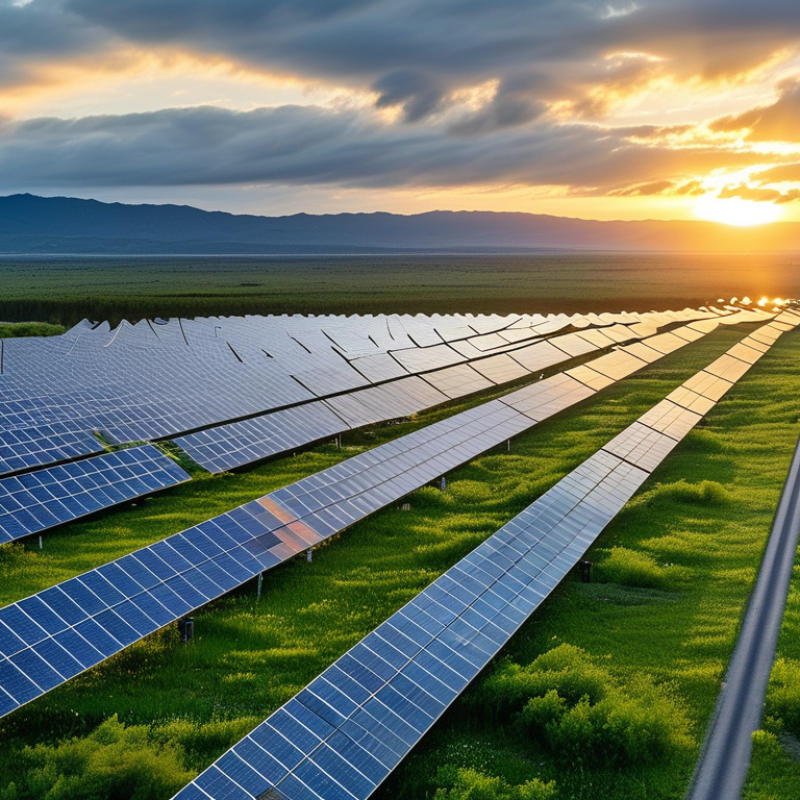
The photovoltaic effect is the cornerstone of solar panel technology. It transforms sunlight into electricity using semiconductors. When light photons hit the solar cells, they excite electrons, causing them to flow. This movement generates direct current (DC) electricity.
Research from the International Energy Agency indicates that solar energy could account for over 30% of global electricity by 2030. However, the efficiency of solar cells varies. Typical silicon-based panels convert about 15% to 20% of sunlight into electricity. Newer technologies, like perovskite solar cells, could improve efficiency to over 25%. Yet, manufacturing challenges remain.
Solar panels must withstand environmental factors. Dust, shade, and temperature fluctuations can reduce energy output. Industry studies show that regular maintenance is critical. Even minor issues like dirt accumulation can decrease efficiency by up to 20%. Therefore, understanding these challenges is vital for optimal performance.
Solar panels are designed to convert sunlight into electricity efficiently. Understanding their key components helps us appreciate their function. The most critical part is the photovoltaic (PV) cells. These cells absorb sunlight and generate direct current (DC) electricity. Made from silicon, they create an electric field when exposed to sunlight.
Another important element is the inverter. This device changes the DC electricity generated by the PV cells into alternating current (AC). AC electricity is what most home appliances use. Without the inverter, the solar energy would be unusable for daily needs.
Tips: Ensure the PV cells are clean, as dirt can block sunlight. Regular maintenance is essential but can often be overlooked. A clean solar panel can increase efficiency by up to 25%. Additionally, monitoring your inverter can help detect any issues early on. Keeping it in a dry and cool location ensures optimal performance. Consider positioning panels where they receive maximum sunlight throughout the day.
The mounting system also plays a role. It secures the solar panels to a roof or the ground. Poor installation can lead to damage or reduced efficiency. Always hire professionals for installation to avoid future problems. Regularly evaluate performance metrics to track efficiency gains or losses.
Solar panels generate electricity through a process called photovoltaic (PV) effect. When sunlight hits the solar cells, it excites electrons, creating an electric current. This energy conversion is highly effective, but its efficiency varies based on several factors. The orientation of the solar panel, the angle of sunlight, and ambient temperature all play crucial roles in how much energy is produced.
Efficiency ratings indicate how well solar panels convert sunlight into usable electricity. These ratings often range from 15% to 22% for most panels. High-quality panels deliver better performance, but environmental conditions can affect their output. For instance, dust accumulation and shading can reduce efficiency significantly. Homeowners need to consider these factors when installing solar systems.
Understanding the efficiency of solar panels is essential for maximizing energy generation. Regular maintenance is necessary for optimal performance. Lack of maintenance can lead to decreased energy yield. Energy production might not always meet expectations. Exploring different panel types and configurations is valuable for achieving better results. Monitoring long-term performance helps in making informed decisions about upgrades or replacements.
The performance of solar panels is heavily influenced by their location and prevailing weather conditions. Solar panels require direct sunlight to generate optimal electricity. According to the National Renewable Energy Laboratory (NREL), the most efficient solar energy generation comes from areas with high solar insolation, typically above 5 kWh/m²/day. Urban settings with high buildings or pollution may hinder sunlight exposure, reducing overall efficiency.
Weather plays a crucial role too. Cloudy or rainy days can decrease solar output by as much as 70%. A recent study indicated that solar panels in regions with consistent sun, like the southwestern U.S., can produce up to 75% more energy than those in cloudy regions. This disparity highlights the importance of assessing geographic location when planning solar installations.
Temperature also affects performance. While solar panels generate more electricity in direct sunlight, extreme heat can impede efficiency. The ideal operating temperature is around 25°C (77°F). When temperatures exceed this, panel efficiency declines. These factors underscore the need for careful site selection and ongoing monitoring. Not every installation will yield the same results, and constant evaluation helps improve performance.
| Factor | Description | Impact on Performance | Optimal Conditions |
|---|---|---|---|
| Location | Latitude and altitude influence sun exposure. | Higher sun exposure increases energy output. | Closer to the equator with minimal shading. |
| Weather Conditions | Cloud cover and precipitation can reduce sunlight. | Cloudy days can decrease efficiency by up to 80%. | Clear, sunny days with low humidity. |
| Temperature | Solar panels can become less efficient at high temperatures. | Efficiency can drop by 0.5% for every degree above 25°C. | Moderate temperatures around 25°C. |
| Orientation and Tilt | Angle of the panel affects sunlight capture. | Optimal angle can increase output by 25%. | Tilted towards the sun's peak angle. |
| Shading | Nearby obstacles can block sunlight. | Even small shadows can significantly reduce output. | Unobstructed access to sunlight. |
Solar panels convert sunlight into electricity through photovoltaic cells. Recent advancements in solar technology significantly enhance their efficiency. New materials and designs lead to improved energy capture. For instance, bifacial solar panels can generate electricity from both sides, increasing output.
Innovation is key to further breakthroughs. Perovskite solar cells are an emerging technology. They promise better efficiency at lower costs. These cells can potentially outperform traditional silicon-based panels. However, practical challenges remain before they become mainstream. Stability and production quality must be addressed.
Tips: To maximize solar energy generation, consider the location of your panels. Ensure they receive ample sunlight throughout the day. Regular maintenance is essential; dust and debris can hinder performance. Always monitor energy output for optimal adjustments.
: Solar panels use the photovoltaic effect. Sunlight excites electrons, creating an electric current.
Orientation, sunlight angle, and temperature impact efficiency significantly.
Most panels have efficiency ratings between 15% to 22%. Higher quality panels perform better.
Cloudy days can reduce output by 70%. Location matters for optimal energy generation.
Regular maintenance keeps energy yield high. Neglect can lead to decreased performance.
The ideal operating temperature is around 25°C (77°F). Higher temperatures can reduce efficiency.
Bifacial panels generate electricity from both sides. They enhance overall output significantly.
These are an emerging technology promising better efficiency at lower costs. Challenges remain for practical use.
Ensure ample sunlight exposure. Maintain regularly and monitor output for adjustments.
No, results vary based on multiple factors. Continuous evaluation is important for optimal performance.
Solar panels generate electricity through the photovoltaic effect, which involves converting sunlight into electrical energy. Understanding this process requires an examination of the key components of a solar panel, including photovoltaic cells, inverters, and mounting systems. Each component plays a vital role in ensuring the efficient conversion of sunlight into usable electricity. The efficiency ratings of solar panels indicate how well they can transform solar energy, while various factors, such as location and weather conditions, can significantly impact performance.
Recent advances in solar technology have also enhanced the ability of solar panels to generate electricity effectively. Innovations in materials and design have led to increased efficiency and adaptability, allowing solar energy to become a more viable option for various energy needs. Overall, the question "How does a solar panel generate electricity?" can be answered through a detailed understanding of these principles and the ongoing developments in solar energy technology.

Stove Solar