A solar panel may look flawless under showroom lights. Its certificates reveal more. The IEA PVPS Trends 2024 report estimated that global solar installations added about 456 gigawatts in 2023, bringing cumulative capacity above 1.6 terawatts. At that scale, buyers need evidence that a module has been tested for safety, durability, and the conditions it will actually face.
So, What certifications should solar panels have? Start with IEC 61215 for design qualification and IEC 61730 for module safety. In North America, UL 61730 is also a key safety certification. Other tests may matter more at a coastal, humid, or agricultural site. Salt-mist and ammonia-resistance certifications can help buyers assess those specific risks. The right list depends on where the panels will operate.
Look closely at the certificate, not just the logo. Check that the model number matches the panel being quoted, and confirm the issuing body and test scope. NREL reliability researcher Dirk Jordan’s published work offers a useful reminder: qualification testing is not a lifetime guarantee. Field performance still depends on manufacturing consistency, installation, and maintenance.
That distinction matters. A certificate is a strong starting point, not a promise that every panel will perform perfectly for decades. Some paperwork is less informative than it first appears. This guide examines ten certifications buyers should know, what each one tests, and where its limits deserve a closer look.
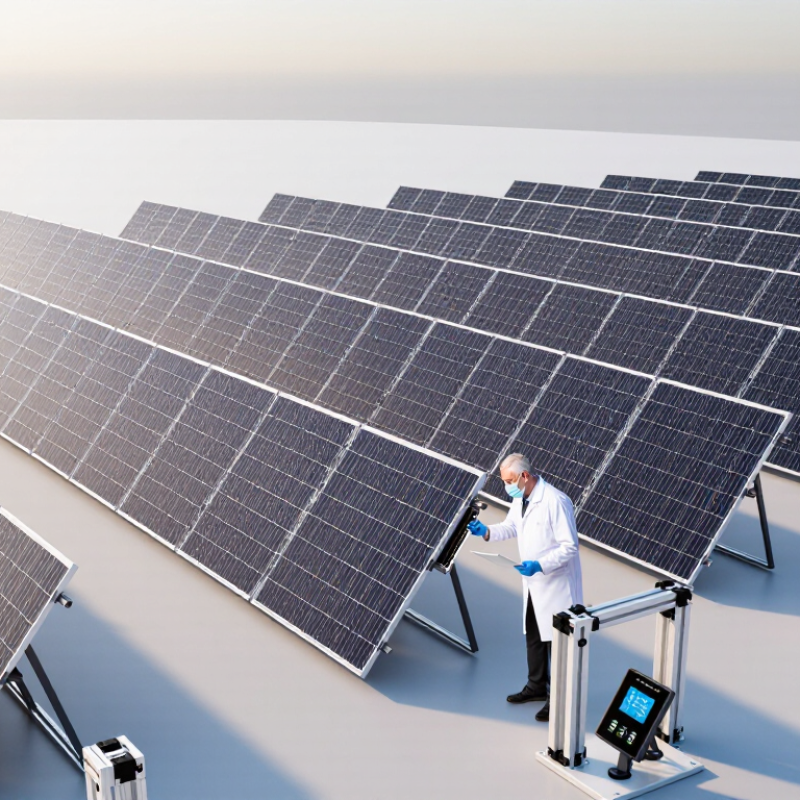
Solar panel certifications show whether representative modules passed defined tests, not whether every panel will perform perfectly. IEC 61215 evaluates design durability through stresses such as thermal cycling, damp heat, and mechanical loading. IEC 61730 focuses on electrical and fire safety. These checks matter. Still, a pass is not a lifetime guarantee.
A certificate is only as useful as its scope. Buyers should check the exact model, tested configuration, issuing laboratory, and certificate validity. Ask whether production units remain subject to factory surveillance. A test report for one module design may not cover a visually similar variant. Small detail, big difference.
Field results add context. NREL’s 2013 analytical review of photovoltaic degradation studies reported a median degradation rate near 0.5% per year. That figure describes observed systems, not a promised rate for any certified product. Certification cannot predict a rooftop’s shading, installation quality, or maintenance. I would not treat one certificate as a verdict; it is evidence of tested performance under specific conditions, and the limits deserve a careful read.
Solar-panel certifications help buyers check whether a module has passed defined performance and safety tests. IEC 61215 evaluates design qualification and type performance, including exposure to heat, humidity, and mechanical loading. It does not predict the exact output a panel will deliver over decades. IEC 61730 addresses electrical and fire-related safety, such as insulation and construction risks. Look for certificates and test reports that name the precise module model, not just a product family. Small detail. It matters.
Environmental conditions can call for additional testing. IEC 61701 assesses resistance to salt mist, while IEC 62716 covers ammonia exposure. These standards may matter for coastal sites or farms, but they are not substitutes for core qualification. A certificate is not a crystal ball. Check who issued it, what tests were included, and whether the document remains valid for the model being quoted. Requirements can differ by destination market, so confirm local acceptance with a qualified installer or testing body. Paperwork can be confusing, and a familiar standard number alone is not enough. Ask for the underlying report when details are unclear.
For coastal installations, salt spray can attack frames, connectors, and exposed metal. Check for IEC 61701 salt-mist testing, and match its severity level to the site. Near farms or livestock buildings, IEC 62716 ammonia-corrosion testing is relevant. Desert arrays face abrasive dust, sand, and sharp temperature swings; review sand-and-dust testing and thermal-cycle results, not just a general qualification label.
IEC 61215 qualification includes environmental stress tests such as damp heat, thermal cycling, and hail impact. These tests help compare modules, but they do not reproduce every roof, mounting system, or local weather pattern. Conditions vary. NREL’s 2013 review of about 2,000 reported degradation rates found a median near 0.5% per year. That fleet-level figure is useful context, not a prediction for a specific site. Ask for the test standard, severity level, and report scope. A certificate alone may not reveal how the module performs after years of salt exposure or repeated freeze-thaw cycles. The gap matters.
| # | Standard or qualification | Environmental conditions addressed | What it helps buyers assess | Relevant installation conditions | Buyer note |
|---|---|---|---|---|---|
| 1 | IEC 61215 series | Design-qualification tests include environmental stresses such as temperature cycling, damp heat, humidity-freeze, UV exposure and hail impact. | Whether a module design has passed a defined set of qualification tests intended to reveal common design and manufacturing weaknesses. | General outdoor use across a range of climates, including hot, cold, humid and hail-prone locations. | Type qualification is not a guarantee of a particular service life or performance at every site. Check the applicable part, edition and module technology. |
| 2 | IEC 61730 series | Module construction and safety tests, including assessments related to electrical and fire hazards under specified test conditions. | Whether the module design meets defined safety requirements for construction and testing. | All installations; especially important where electrical safety, fire risk and local code compliance are procurement priorities. | This is a safety qualification, not a stand-alone environmental durability rating. Confirm the applicable market requirements. |
| 3 | IEC 61701 | Salt-mist corrosion testing at defined severity levels. | Resistance of a module to corrosion risks associated with airborne salt and saline moisture. | Coastal sites, offshore installations and locations exposed to saline air or salt spray. | Compare the stated test severity with the actual site exposure. Salt-mist testing does not reproduce every coastal condition. |
| 4 | IEC 62716 | Ammonia corrosion testing for photovoltaic modules. | Resistance to ammonia-related corrosion under the specified laboratory test sequence. | Farms, livestock buildings and other sites with elevated ammonia exposure. | Useful for screening, but real-world exposure depends on ventilation, distance, temperature and operating conditions. |
| 5 | IEC 62804-1 | Potential-induced degradation (PID) test methods for crystalline silicon modules. | Susceptibility to PID under specified electrical-bias and environmental test conditions. | Systems with operating voltages, grounding arrangements or hot, humid conditions that may increase PID risk. | Check the test method and report details; PID performance can depend on system design and operating conditions. |
| 6 | IEC 62938 | Testing related to non-uniform snow loading on photovoltaic modules. | Module response to specified uneven snow-load conditions. | Snow-prone locations where drifting, partial coverage or roof geometry can create uneven loads. | Module test results do not replace structural engineering of the module, mounting system, roof and supporting structure. |
| 7 | IEC TS 62782 | Dynamic mechanical loading, including repeated loading cycles. | Module durability under specified cyclic mechanical loads that can simulate repeated wind-related loading. | Wind-exposed sites and installations where recurring mechanical stress is a concern. | This is a technical specification and test method; confirm the test profile and results rather than relying on the standard number alone. |
| 8 | IEC 60068-2-68 | Environmental testing methods for exposure to dust and sand. | How a product responds to specified dust or sand test conditions. | Desert, arid, dusty or sand-prone locations. | This is a general environmental test standard, not a universal solar-module certification. Ask which procedure and severity were used. |
| 9 | IEC 60068-2-78 | Damp-heat, steady-state testing at specified temperature and humidity conditions. | Resistance to prolonged damp-heat exposure under the selected test conditions. | Hot, humid regions and installations exposed to persistent high humidity. | This general test method may supplement product-specific qualification. Review duration, conditions and sample configuration. |
| 10 | IEC 60068-2-14 | Temperature-change testing using specified temperature transitions and cycles. | Response to temperature changes that may stress materials, interfaces and assemblies. | Locations with large day-to-night or seasonal temperature swings. | This is a general environmental test method, not by itself a solar-module certification. Confirm that the test reflects the intended application. |
Procurement note: These entries include product qualification standards and environmental test methods; they are not all standalone certifications. Request current test reports for the exact module model, review the edition and test severity, and match the evidence to site-specific risks, local codes and system design.
Solar panel certification is not one universal stamp. Requirements differ by destination, grid connection, building code, and installation conditions. A document accepted in one market may not meet another authority’s requirements. Check the exact module model, test standard, issuing body, and certificate scope. Standards such as IEC 61215 and IEC 61730 address module performance and safety, but local acceptance still matters. Small detail, big difference.
Manufacturer quality certifications answer a different question. A quality management certificate, such as ISO 9001, can indicate documented processes and audits; it does not guarantee a panel’s output or lifespan. Ask how production batches are traced and how defects are handled. In procurement reviews, a certificate for a similar model can look convincing, yet leave the actual product uncovered. It is easy to overvalue a tidy document folder. I would not.
Tips: Match every certificate to the model and production site on your quote. Check its validity with the issuer, then confirm regional requirements with the project authority. Keep copies with purchase records. Ask questions when details do not line up.
Publication years of widely referenced IEC standards used in solar PV testing and certification
These standards cover module performance, electrical safety, manufacturing quality, inverter safety, grid interconnection, and durability. The year shown is the publication year of the referenced edition, not a certification expiry date. Requirements and accepted editions vary by market; buyers should verify current local rules and request documentation from an appropriately accredited testing or certification body.
A certificate is useful only when it matches the panel being offered. Check the document number, issuing body, standard, and covered model codes. IEC 61215 generally addresses design qualification and performance testing; IEC 61730 addresses safety. Small details matter. A suffix or wattage difference may place a panel outside the certified model family.
Compare certificates by scope, not by how official the paperwork looks. Confirm the certification body’s accreditation and search its public records when available. Check whether the certificate is current, which standard edition it cites, and whether the listed factory matches the production site. Then compare test reports or technical schedules, not just a one-page certificate. A seller’s datasheet may use a shortened model name. Ask for clarification in writing.
Also review what the certification does not prove. It is not a promise of a particular energy yield, lifespan, or installation quality. I would hesitate to judge two panels by certificate count alone; more documents do not automatically mean better performance. Look for clear, consistent records and verify that the documents apply to the exact product under consideration. A tidy PDF can still leave questions.
It evaluates design qualification and performance under stresses such as heat, humidity, mechanical loading, and hail impact. It does not predict a panel’s exact output over decades.
IEC 61730 covers electrical and fire-related safety, including insulation and construction risks. IEC 61215 focuses on qualification and performance. Different jobs.
Coastal sites may need IEC 61701 salt-mist testing. Near livestock buildings, IEC 62716 checks resistance to ammonia exposure. Match the test severity to the actual site.
Review sand-and-dust testing and thermal-cycle results, especially where abrasive grit and sharp temperature swings are common. A general qualification label may leave details unclear.
Match the certificate to the precise module model and production site on your quote. Check its scope, issuing body, and validity. Small detail, big difference.
No. A certificate such as ISO 9001 can indicate documented processes and audits, but it does not guarantee output or lifespan. Ask how batches are traced and defects handled.
No. Requirements can differ by destination market, grid connection, building code, and installation conditions. Confirm local acceptance with the project authority or a qualified installer.
Not precisely. One fleet-level review found a median degradation rate near 0.5% per year, but that figure is not a site-specific forecast. I would still ask for the underlying test report; a tidy certificate can hide gaps.
Solar panel certifications help buyers understand whether a product has been assessed for performance, electrical safety, and reliability. What certifications should solar panels have depends on where and how they will be installed, but buyers should look for recognized testing that addresses core performance and safety requirements. Additional durability standards can indicate how panels withstand conditions such as heat, moisture, wind, or coastal exposure, helping buyers match products to their installation environment.
Regional compliance marks and manufacturer quality certifications provide further information about applicable requirements and production consistency. To compare options, check that certificates are current, apply to the exact panel model, and come from qualified testing or certification organizations. Reviewing the stated scope and test conditions can help distinguish meaningful evidence from broad claims. Together, these checks make it easier to assess a panel’s suitability, durability, and documented quality before purchase.

Stove Solar