Monocrystalline solar panels have gained attention for their impressive efficiency. They are known to outperform other types of solar technology.
Why are monocrystalline panels more efficient? According to the U.S. Department of Energy, these panels can convert up to 22% of sunlight into usable energy. This is significantly higher than polycrystalline panels, which typically range from 15% to 17% efficiency. The higher efficiency comes from the purity of the silicon used in monocrystalline panels. They are made from a single crystal structure that allows for better electron movement.
However, the cost of monocrystalline panels can be a barrier. The manufacturing process is more complex, leading to higher prices. Despite this, their superior performance often justifies the investment. A report from Bloomberg New Energy Finance shows solar energy is expected to become increasingly affordable as technology advances. Understanding why are monocrystalline panels more efficient can help consumers make informed decisions about solar energy investments.
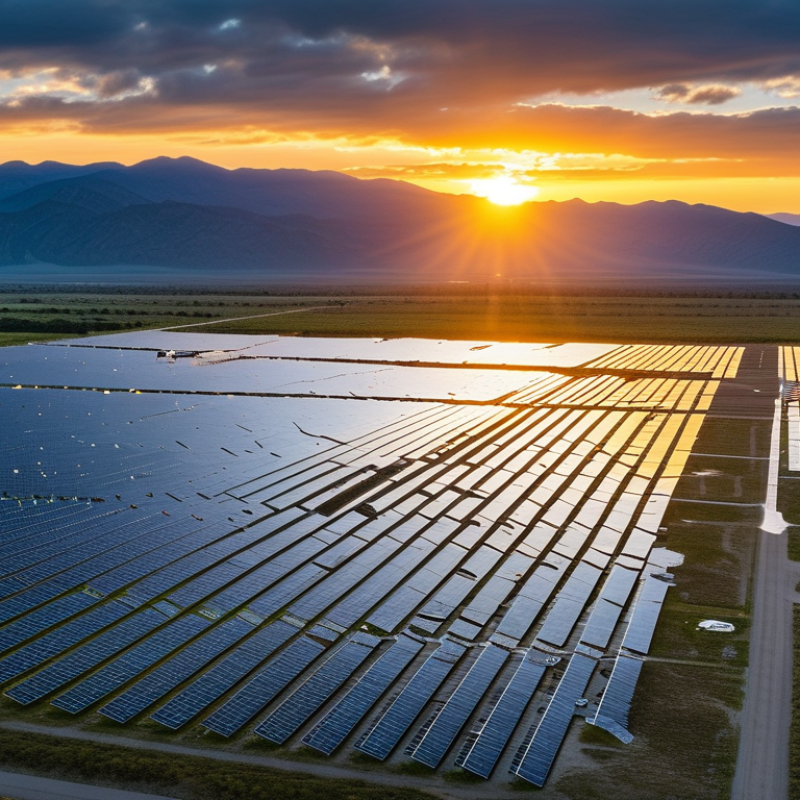
Understanding Monocrystalline Solar Panels and Their Efficiency
Monocrystalline solar panels stand out for their superior efficiency in converting sunlight into electricity. Made from a single crystal structure, they exhibit high purity levels. This leads to better energy production compared to other types. Their efficiency rates often exceed 20%, which is considerably higher than polycrystalline counterparts. In urban areas with limited roof space, this efficiency is crucial.
The manufacturing process plays a significant role in this effectiveness. During production, the silicon is drawn from a single crystal, minimizing impurities. This creates a uniform surface for light absorption. However, the process is more energy-intensive and costly. Some people may overlook this aspect while considering the overall value. While these panels offer high performance, their initial investment can be daunting for some homeowners.
Environmental factors also influence efficiency. These panels tend to perform well in low-light conditions. Yet, their output decreases in extremely high temperatures. This is a limitation that potential users should consider. Monocrystalline panels excel in the right conditions, but they are not the universal solution for every scenario.
Efficiency Comparison of Solar Panel Types
This chart compares the efficiency of different types of solar panels: Monocrystalline, Polycrystalline, and Thin-Film. As shown, Monocrystalline panels exhibit the highest efficiency in converting solar energy into electricity.
The Structure and Composition of Monocrystalline Solar Cells
Monocrystalline solar cells stand out due to their unique structure and composition. They are made from a single crystal structure of silicon, which enhances their efficiency. This pure form allows electrons to flow freely, generating more energy from sunlight. Each cell is cut from a silicon ingot, resulting in uniform and consistent performance for each panel produced.
The manufacturing process involves intricate methods to create high-purity silicon. This purity contributes significantly to the efficiency of monocrystalline panels. Typically, these panels have an efficiency rate exceeding 20%. However, the production remains energy-intensive, raising questions about sustainability. As we seek cleaner energy sources, the environmental cost of creating such panels can be a concern.
Moreover, while these panels are less prone to shading issues compared to polycrystalline options, they are usually more expensive. The investment may not always yield immediate savings. Factors like geographical location and local climate influence their performance in real-world scenarios. Understanding these elements is essential for prospective users. The choice of solar technology impacts both energy efficiency and overall costs, thus requiring careful consideration.
Factors Contributing to the Higher Efficiency of Monocrystalline Panels
Monocrystalline solar panels are known for their higher efficiency compared to other types. One key factor is their pure silicon composition. This allows for better electron movement, which enhances energy conversion. Reports show that monocrystalline panels typically achieve efficiencies ranging from 15% to 22%. This is significantly higher than polycrystalline options, which usually top at around 15% to 18%.
Additionally, the production process of monocrystalline panels contributes to their efficiency. The manufacturing involves growing single-crystal silicon, leading to fewer defects and greater performance under varying conditions. Research indicates that these panels also perform better in low-light situations. This versatility is important for maximizing energy output throughout the year.
While monocrystalline panels are efficient, they often come with a higher cost. This can be a barrier for some consumers. Moreover, the energy payback time for these panels can take around one to three years, depending on location and installation. It's essential to weigh these factors against their long-term benefits. The decision should consider both efficiency and initial investment to ensure optimal energy solutions.
Comparing Monocrystalline Panels to Other Solar Panel Types
Monocrystalline solar panels stand out in the solar market. They are known for their high efficiency. Compared to polycrystalline and thin-film panels, monocrystalline panels offer superior energy output. This is mainly due to their manufacturing process. Made from single crystals of silicon, they have fewer impurities. As a result, they convert sunlight into electricity more effectively.
Polycrystalline panels are less efficient but often more affordable. They consist of multiple silicon crystals, which can create barriers for electron flow. Thus, they generate less power per square foot. Thin-film panels, on the other hand, are lightweight and flexible. However, they typically require more space to produce the same energy as monocrystalline panels. Yet, their lower installation cost can appeal to budget-conscious consumers.
While monocrystalline panels deliver efficient performance, they come with some drawbacks. They can be more expensive upfront. Additionally, their production has a higher environmental impact compared to others. Despite these issues, the long-term benefits often outweigh the initial costs. Potential buyers should weigh factors like space availability, energy needs, and budget when choosing the right panel type.
Applications and Benefits of Using Monocrystalline Solar Technology
Monocrystalline solar panels are often lauded for their efficiency in harnessing solar energy. Their design utilizes high-purity silicon, which significantly increases energy conversion rates. This means that users can generate more power from the same amount of sunlight, making the panels an excellent choice for limited spaces. These panels are compact and can easily fit onto rooftops, maximizing energy output without requiring extensive installations.
The applications of monocrystalline technology are diverse. Homeowners and businesses alike are capitalizing on their efficiency to reduce energy bills and lower their carbon footprint. In urban areas, where space is at a premium, the compact design makes them ideal for residential setups. However, the initial investment can be higher compared to other types. This could be a concern for some buyers who may need to weigh the long-term savings against upfront costs.
Despite their advantages, monocrystalline panels do have limitations. They can be less effective in cloudy or shaded conditions. Additionally, if installed improperly, their performance can drop significantly. Users need to be mindful of these factors when considering their adoption. Investing in quality installation can make a substantial difference in overall efficiency. The pursuit of energy independence through solar power continues to evolve, and understanding the nuances of monocrystalline technology is essential for informed decision-making.
Why Are Monocrystalline Panels More Efficient for Solar Energy? - Applications and Benefits of Using Monocrystalline Solar Technology
| Parameter |
Monocrystalline Panels |
Polycrystalline Panels |
| Efficiency Rate |
15% - 22% |
13% - 16% |
| Lifespan |
25+ years |
20+ years |
| Space Efficiency |
Higher (more energy per square meter) |
Lower (less energy per square meter) |
| Temperature Coefficient |
-0.3%/°C |
-0.5%/°C |
| Cost |
Higher initial investment |
Lower initial investment |
| Applications |
Residential rooftops, commercial installations, solar farms |
Larger installations, areas with lower space |
FAQS
: They are solar panels made from a single crystal structure. This enhances their efficiency in sunlight conversion.
Their efficiency rates often exceed 20%. This is significantly higher than other types, such as polycrystalline.
The manufacturing process is energy-intensive. It requires drawing silicon from a single crystal, leading to higher production costs.
No, they excel in low-light situations. However, their output drops in extremely high temperatures, which is a limitation.
Monocrystalline panels generate more power per square foot. Polycrystalline panels are less efficient but typically lower in cost.
They are lightweight and flexible, making them easier to install. However, they need more space for similar energy output.
Yes, while upfront costs may be high, the long-term savings and efficiency often justify the investment.
Yes, monocrystalline panels have a higher environmental impact in production. Buyers should reflect on this when choosing a type.
Absolutely, in urban settings with limited roof space, the high efficiency of monocrystalline panels becomes crucial.
Not necessarily. They work best under optimal conditions, so assess your specific energy needs and location before deciding.
Conclusion
Monocrystalline solar panels are renowned for their superior efficiency in converting sunlight into electricity, leading to the question: "Why are monocrystalline panels more efficient?" The answer lies in their unique structure and composition. Made from single-crystal silicon, these panels achieve a higher purity level, allowing for better electron mobility and thus higher energy conversion rates compared to other types of solar panels.
Several factors contribute to this enhanced efficiency, including the uniform crystalline structure that minimizes energy loss and the optimal design that maximizes light absorption. In comparison to polycrystalline and thin-film panels, monocrystalline panels not only provide greater efficiency but also boast a longer lifespan and better performance in low-light conditions. The applications of monocrystalline technology are vast, from residential rooftops to large-scale solar farms, making them a preferred choice for those seeking reliable and efficient solar energy solutions.

 Stove Solar