What Are the Advantages of Bifacial Solar Technology?

Time:2026-11-24 Author:Oliver
0%

Bifacial solar technology captures sunlight on both the front and rear surfaces of a module. That simple change can add meaningful energy without requiring more panel area. But the gain is not automatic. It depends on what lies beneath the panels, how high they sit, and how rows are spaced.

A practical paraphrase of NREL researcher Dr. Chris Deline’s work is this: rear-side output depends on the light a site reflects toward the module. Pale gravel or a bright roof can return more light than dark soil. A raised rack may expose more of the rear surface, while tight row spacing can cast shade. Small design choices matter.

What is bifacial solar technology advantages? The main advantages include higher energy yield, better use of available land, and potential value in installations where reflective surfaces already exist. Bifacial modules can also offer useful production gains in some configurations, though results vary by location and system design. Real measurements matter.

There is a catch. Added yield figures from product brochures may reflect ideal conditions, not a shaded, dusty site with dark ground. That gap deserves scrutiny. A sound comparison should consider rear-side irradiance, mounting costs, warranties, and measured performance over time. Bifacial technology is promising, not magic. This introduction leads into the key benefits—and the practical limits—behind the technology.
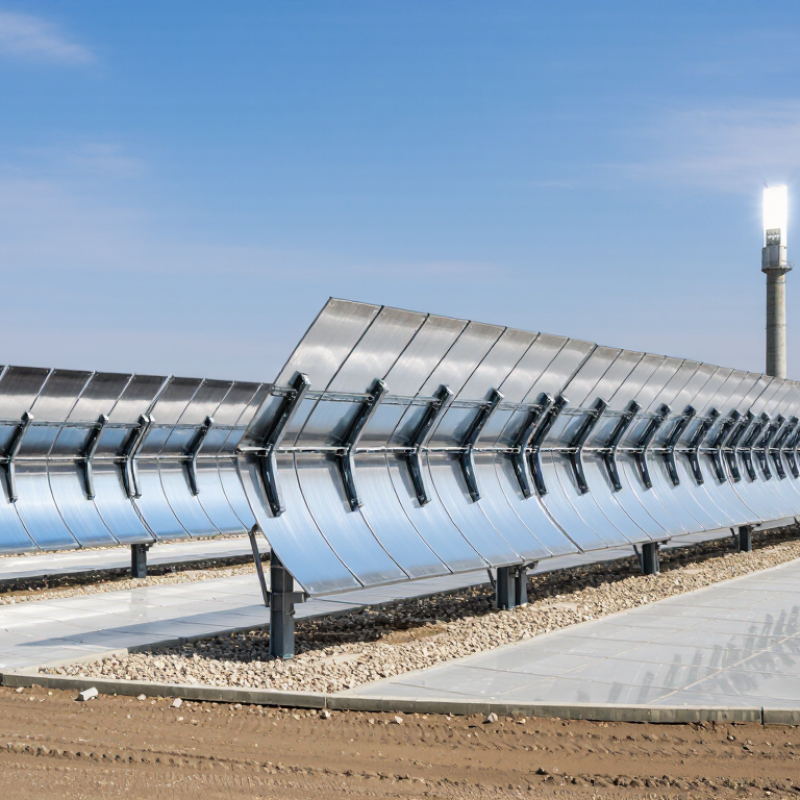
What Are the Advantages of Bifacial Solar Technology?

How Bifacial Solar Panels Generate Power from Both Sides

Bifacial solar panels produce electricity from light reaching both their front and rear surfaces. The front captures direct sunlight and diffuse light from the sky. The rear side can use sunlight reflected upward from the ground, nearby roofs, or other surfaces. It is not a second, equally bright sun.

How much extra power the rear side contributes depends on the installation. A raised panel over pale gravel may receive more reflected light than one mounted close to dark roofing. Panel spacing, tilt, row shading, and the ground’s reflectivity also matter. In practice, the gain can be less dramatic than a neat diagram suggests. A site assessment and realistic energy estimate are more useful than assuming every system will produce the same uplift. Performance can vary through the day and across seasons.

Tips: Keep the area beneath and around panels as unobstructed as practical. Ask an installer how mounting height, surface color, and rear-side shading affect the estimate. Small details matter.

Where Rear-Side Light Comes From

Where Rear-Side Light Comes From

Bifacial solar panels collect light on both faces, but rear-side energy has several sources. Some arrives as diffuse sky light, scattered by clouds, dust, and air. More reaches the back after reflecting off the ground or nearby surfaces. Pale gravel, concrete, and fresh snow can reflect more light than dark soil or grass. Small details matter.

The amount reaching the rear face depends on panel height, tilt, row spacing, and surrounding obstacles. A low-mounted panel may sit close to dark ground, limiting reflected light. Wider spacing can let more sky and ground light reach the rear, though it also affects how much area an installation uses. A fence, cable tray, or neighboring row can cast shade. Estimates should reflect the actual site, not just ideal test conditions. It is easy to overestimate the benefit when surface reflectivity changes with seasons or weather.

Tips: Check ground color and nearby obstructions before estimating rear-side output. Keep the panel’s rear surface clear, and compare readings across different times of day. Snow may boost reflection, but its coverage is temporary.

How Bifacial Design Can Increase Energy Production

Bifacial solar modules generate electricity from light reaching both sides. The front captures direct sunlight, while the rear can use reflected and scattered light. This extra input may raise total energy production, but the gain depends on the site. A bright, pale surface reflects more light than dark soil or asphalt. Elevated racks also leave room for light to reach the panel backs.

Design choices matter. Taller mounting structures, wider row spacing, and careful cable placement can reduce rear-side shading. A light-colored roof or gravel surface may help, though adding reflective material solely for this purpose needs a cost check. Snow can briefly increase reflected light, but it can also cover modules and lower output. Real-world gains vary with season, latitude, panel height, and surface conditions. The estimate can be wrong; monitor measured production against the system model and adjust expectations.

Tips: Keep the rear of each module clear of rails, wiring, and debris where practical. Ask for a site-specific estimate that states its assumptions about ground reflectivity and mounting height. Compare predicted and actual output over several months, not just one sunny week. Small details matter.

Benefits for Land Use and System Efficiency

Bifacial modules collect sunlight from both sides, so the ground beneath them becomes part of the energy system. On a bright, reflective surface, light can bounce onto the rear cells instead of being lost. NREL’s 2018 analysis of bifacial PV performance reported modeled annual energy gains commonly around 5–20%, depending on factors such as ground reflectivity, module height, and row spacing. The extra yield can help a project produce more electricity within a fixed land boundary. That matters.

Land savings are possible, not automatic. If a developer uses the added output to meet a target with fewer modules, the array may need less area. But wider row spacing, elevated racking, or site-specific ground cover can offset some of that advantage. Fraunhofer ISE’s Photovoltaics Report also describes bifacial yield gains reaching roughly 30% under favorable conditions; that figure is not a safe assumption for every site. Snow, pale gravel, or light-colored ground can improve rear-side illumination, while dark soil usually offers less.

For a real design, compare energy per hectare, not just module ratings. Check ground reflectance, shading from supports, and seasonal changes before forecasting gains. Small details count. I would treat “less land” as a project outcome to verify, rather than a built-in feature of bifacial technology. The estimate can look neat on paper and still miss what happens after the first winter.

What Are the Advantages of Bifacial Solar Technology? - Benefits for Land Use and System Efficiency
Dimension Bifacial Technology Benefit Illustrative Data or Range What It Means in Practice
Energy generation Modules generate electricity from both front-side and rear-side light. Additional energy yield is often around 5–20% compared with a comparable monofacial system; actual results vary by site and design. Rear-side light can increase annual output without requiring more module front-surface area.
Land-use productivity More electricity can be produced from the same installed capacity and project footprint when rear-side light is effectively captured. Illustration: if a 100 kWp system produces 150 MWh per year, a 10% yield gain would produce about 165 MWh per year. The illustration assumes unchanged capacity and land area. Actual land requirements also depend on spacing, access roads, terrain, and system layout.
Ground reflectivity (albedo) Bright surfaces reflect more light toward the rear of the modules. Light-colored gravel, pale soil, and snow can provide more reflected light than dark surfaces. Site surface conditions should be assessed because albedo affects the potential rear-side contribution.
Mounting and clearance Raised modules and suitable row spacing can allow more reflected and diffuse light to reach the rear surface. Rear-side output depends on factors including module height, tilt, row spacing, and nearby obstructions. Design choices can improve rear-side exposure, but must be balanced against land use, structural needs, and cost.
System configuration Bifacial modules can be used in fixed-tilt or tracking systems. Energy gains are project-specific; trackers and layouts may change both front- and rear-side irradiance. Model the complete system rather than applying a single assumed gain to every project.
Performance uncertainty Bifacial output is sensitive to shading and installation details behind the modules. Module supports, cables, uneven ground, and nearby rows can reduce rear-side light. Accurate modelling and careful installation help avoid overestimating energy gains.

Conditions That Enhance Bifacial Performance

Bifacial panels produce more useful energy when reflected light can reach their rear surfaces. The IEA PVPS Task 13 report, Bifacial Photovoltaic Modules and Systems (2021), describes energy gains commonly around 5–20%, with results strongly affected by site design and conditions. The ground matters. Pale gravel, concrete, or seasonal snow reflects more sunlight than dark soil or dense grass. Yet albedo alone is not enough: dust, vegetation growth, and changing snow cover can reduce reflection over time.

Module clearance and row spacing also shape performance. Raising panels gives reflected light more room to spread beneath them, while wider spacing can reduce shading between rows. Trackers may expose the rear surface to more sky and ground, though their value depends on layout and local weather. Keep the rear side unobstructed. Cables, rails, and supports can cast small shadows that add up across an array. A site assessment should measure or estimate ground reflectance and model the actual mounting geometry, rather than rely on a generic bifacial-gain percentage. That estimate can still miss real-world variation; soil color, crop growth, and snow conditions change through the year. A careful design leaves room for uncertainty.

FAQS

How do bifacial solar panels generate electricity?

Their front side captures direct and diffuse sunlight. Their rear side can use reflected light.

Where does the rear-side light come from?

It may reflect upward from pale gravel, nearby roofs, or other bright surfaces. Dark soil and asphalt reflect less.

Do bifacial panels always produce much more energy?

No. The extra output depends on the site, panel height, surface color, and shading. It varies.

How does mounting height affect production?

Raised panels leave more space for reflected light to reach their backs. Low mounting can limit that light.

Can panel rows or wiring block rear-side light?

Yes. Tight spacing, rails, cables, and debris may create shade behind modules. Small details matter.

Does snow help bifacial panels produce more electricity?

Snow can reflect extra light briefly, but it can also cover modules and reduce output. It cuts both ways.

What should a site-specific estimate include?

Ask about ground reflectivity, mounting height, row spacing, and expected rear-side shading. A tidy diagram can overpromise.

How can owners check whether the estimate is accurate?

Compare measured production with the system model over several months. One sunny week is not enough. The estimate may miss.

Conclusion

Bifacial solar panels generate electricity from sunlight captured on both their front and rear surfaces. While the front receives direct sunlight, the back can collect reflected and scattered light from the ground and nearby surroundings. This additional light can increase a system’s total energy production compared with a similarly installed one-sided panel, although the gain depends on the site and setup.

The advantages of bifacial solar technology include making more productive use of available land and improving overall system efficiency without requiring a larger panel footprint. Performance is often stronger in open locations with bright, reflective surfaces, limited shading, and mounting arrangements that allow light to reach the rear of the panels. Considering these factors helps explain What is bifacial solar technology advantages and when this design may be a practical choice.

Oliver

Oliver

Oliver is a seasoned marketing professional with a wealth of expertise in driving brand awareness and engagement. With a deep understanding of our company's product offerings, he consistently delivers high-quality content that enriches our professional blog. His insights not only shed light on......