Solar energy has become a crucial component of our renewable energy landscape. Many homeowners and businesses are keen to maximize the performance of their solar systems. To achieve this, it's essential to understand the underlying factors that influence solar panel efficiency. What factors affect the efficiency of solar panels can greatly impact energy output.
Various elements can determine how well solar panels perform. For instance, the angle at which panels are installed plays a significant role. Dust and dirt accumulation can reduce effectiveness too. Even air temperature can affect energy conversion rates.
Understanding these variables can help users make informed decisions. However, there’s no one-size-fits-all solution. The efficiency of each solar installation can vary based on location and environmental conditions. This reflection highlights the complexity of solar energy systems and the importance of tailored optimization strategies. By examining each factor closely, we can work to enhance solar panel performance in meaningful ways.
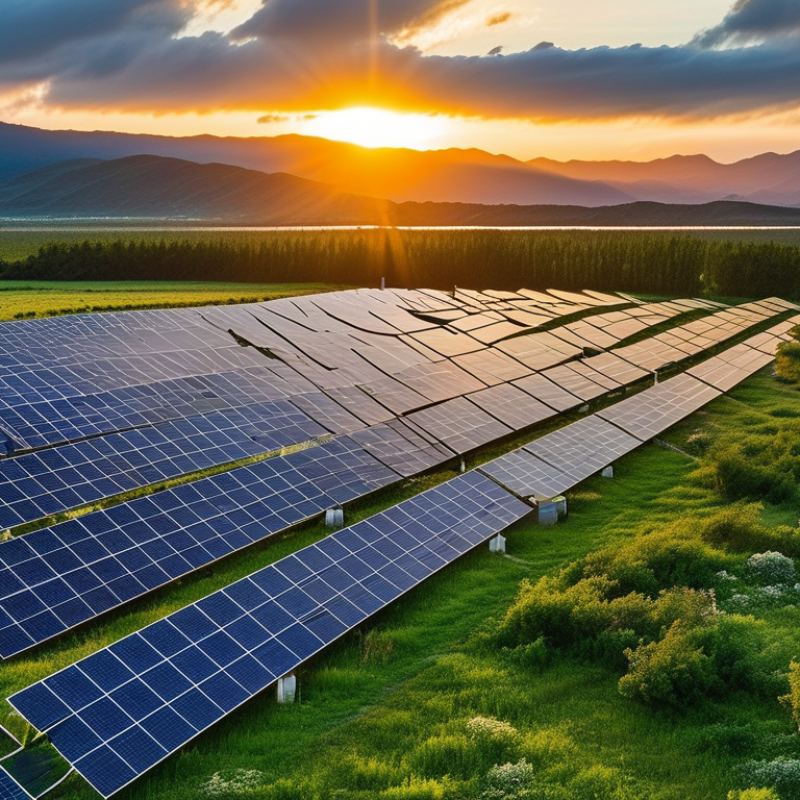
Understanding Solar Panel Efficiency: An Overview
Understanding solar panel efficiency is essential for anyone considering renewable energy. Efficiency refers to how well solar panels convert sunlight into electricity. Factors such as material quality, installation angle, and environmental conditions significantly influence this efficiency. Higher efficiency means more energy production, leading to better returns on your investment.
Tips for improving solar panel efficiency include choosing high-quality materials. Panels made from monocrystalline silicon generally perform better than others. Installation plays a crucial role too. Ensure panels face the sun directly and are not shaded by trees or buildings. Regular maintenance is also important. Clean panels allow more sunlight in, enhancing overall performance.
Remember, weather can impact efficiency. For instance, extreme heat may reduce the effectiveness of panels. Reflect on your installation’s location and be ready to adjust. Sometimes, small changes yield significant benefits. Tracking energy output can help identify efficiency dips, prompting timely adjustments. This approach creates opportunities for improvement, ultimately maximizing your solar investment.
Key Factors Influencing Solar Panel Efficiency
Solar panel efficiency hinges on several key factors that can significantly affect energy output. According to the National Renewable Energy Laboratory, the average efficiency of commercial solar panels ranges from 15% to 22%. Various elements can influence this performance, including temperature, shading, and panel orientation.
Temperature plays a critical role in efficiency. Solar panels usually operate better at cooler temperatures. High temperatures can decrease efficiency by up to 20%. Shading is another concern; even partial shading can reduce energy production significantly. Keeping panels clean and unobstructed is essential for optimal performance.
Tip: Install solar panels facing south at a fixed angle of 30 to 45 degrees for maximum sunlight exposure. Regular maintenance also helps maintain efficiency levels.
Another factor is the material used in the solar cells. Monocrystalline panels tend to have higher efficiency compared to polycrystalline ones. Furthermore, new technologies, such as bifacial panels, can capture sunlight on both sides, enhancing overall efficiency.
Tip: Consider investing in newer technologies for better long-term savings. Regularly check the installation to ensure optimal arrangement and maximal output.
Key Factors Influencing Solar Panel Efficiency
Technological Innovations to Enhance Solar Efficiency
Technological innovations are crucial for enhancing solar panel efficiency. Recent reports indicate that the global average efficiency of solar panels is around 15-20%. This figure could rise significantly with advancements in materials and designs. For instance, research shows that bifacial solar panels can increase energy generation by up to 27% compared to traditional panels. This efficiency is achieved by capturing sunlight from both sides.
Another promising innovation involves the use of perovskite materials. Studies reveal that perovskite solar cells can achieve efficiencies exceeding 25%. They are cheaper to produce and have a simpler manufacturing process. However, durability and long-term performance issues remain challenges to be addressed. The integration of artificial intelligence in energy management systems also offers potential. AI can optimize energy capture and usage, improving overall efficiency by analyzing weather patterns and user behavior.
Despite these advancements, the solar industry faces hurdles. The variability of solar energy remains a concern. While technology can help mitigate these issues, reliance on weather conditions is unavoidable. Additionally, the push for higher efficiencies often brings up concerns about the environmental impact of new materials. Striking a balance between efficiency and sustainability is vital for future progress in solar energy.
Best Practices for Solar Panel Installation and Maintenance
Proper installation and maintenance of solar panels are critical for maximizing efficiency.
Research indicates that improper installation can reduce energy output by up to 30%. It’s essential to ensure that panels are positioned at the optimal angle, typically between 30 to 45 degrees.
This angle helps capture the most sunlight throughout the day. Shadows from nearby trees or buildings can significantly impact performance, so careful site assessment is vital before installation.
Routine maintenance is equally important. Dust, dirt, and debris can accumulate on the panels, diminishing their output.
Studies show that regular cleaning can enhance efficiency by approximately 20%.
Environment plays a role too; areas with frequent rainfall may require less maintenance than drier climates.
Inspecting the electrical connections and inverter performance regularly ensures that the system operates smoothly.
Many industry experts recommend conducting thorough inspections at least twice a year to identify potential issues before they escalate.
Investing in quality installation and routine maintenance leads to sustainable energy production. Yet, even the best systems face challenges.
Techniques such as adding microinverters can optimize each panel's output. However, this can lead to higher initial costs and complicated setups.
It’s crucial to weigh these considerations against the long-term benefits.
Each installation presents unique challenges that require thoughtful planning and execution.
The Role of Environmental Conditions on Solar Performance
Environmental conditions significantly impact solar panel performance. Factors such as
temperature, humidity, and
light intensity play crucial roles in efficiency. According to the
National Renewable Energy Laboratory (NREL), solar panels often operate at optimal efficiency
between 15°C and 25°C. Beyond this range, especially with rising temperatures, efficiency can
decline by 0.5% to 1% for every degree Celsius increase.
Humidity is another critical factor. High humidity can lead to condensation on the panels,
reducing the amount of sunlight absorbed. A study from the Institute of Electrical and Electronics
Engineers (IEEE) indicates that regions with moderate humidity improve solar output by up to
20%. In contrast, excessively humid areas may pose challenges for
performance consistency.
Moreover, the angle and direction of solar panels also interact with environmental conditions. Panels
tilted towards the equator capture more sunlight, enhancing efficiency. However, dirt and debris
accumulation due to environmental factors can diminish performance. Regular cleaning is essential, yet
many homeowners neglect this task. Addressing these overlooked maintenance aspects can lead to significant
gains in overall efficiency.
FAQS
: Recent advancements include bifacial solar panels, which can boost energy generation by 27% compared to traditional panels.
Perovskite solar cells exceed 25% efficiency and are cheaper to produce, but they face durability challenges.
AI optimizes energy capture and usage by analyzing weather patterns and user behavior, improving efficiency.
Improper installation can reduce energy output by up to 30%. Proper angles and site assessment are crucial.
Panels should be inspected at least twice a year for dust and debris, which can affect performance.
Shadows from trees or buildings can significantly hinder performance, highlighting the need for a careful site assessment.
Not necessarily. Higher efficiencies can lead to environmental concerns regarding new materials used in production.
The variability of solar energy and reliance on weather conditions pose ongoing challenges for the industry.
Areas with frequent rainfall may require less maintenance compared to drier climates with more dust accumulation.
Adding microinverters can optimize output but increase initial costs, presenting challenges unique to each installation.
Conclusion
The efficiency of solar panels is influenced by several key factors that are essential for maximizing energy output. Understanding solar panel efficiency begins with recognizing the various elements that play a role, including the quality of materials used, design, and technological advancements. Innovations such as enhanced photovoltaic materials and improved inverter technology have significantly boosted efficiency levels.
Additionally, installation practices and maintenance are crucial for optimal performance. Proper placement, angle, and regular cleaning can dramatically affect energy generation. Environmental conditions, such as temperature, shading, and weather patterns, also play a pivotal role. Ultimately, understanding what factors affect the efficiency of solar panels is vital for consumers and professionals aiming to harness solar energy effectively.

 Stove Solar