In recent years, many individuals have embraced the idea of living off the grid. This shift towards sustainability is increasingly linked to solar power systems. According to Dr. Emily Green, a leading expert in renewable energy, “Going off-grid with a solar power system is not just about independence; it’s a vital step towards a sustainable future.”
How to go off-grid with a solar power system involves careful planning and execution. Choosing the right solar panels, batteries, and inverters is key. Each component must be reliable and efficient. Many underestimate the importance of sizing their system correctly. If too small, users may face energy shortages. Too large, and they could waste resources.
A successful off-grid lifestyle combines technology and mindful choices. People often overlook local climate conditions when designing their systems. This can lead to frustration later. Adapting to seasonal changes is essential. Dead batteries or inefficient systems cause stress. Individuals must assess their energy needs frequently. Exploring various options can lead to a reliable and enjoyable off-grid life.
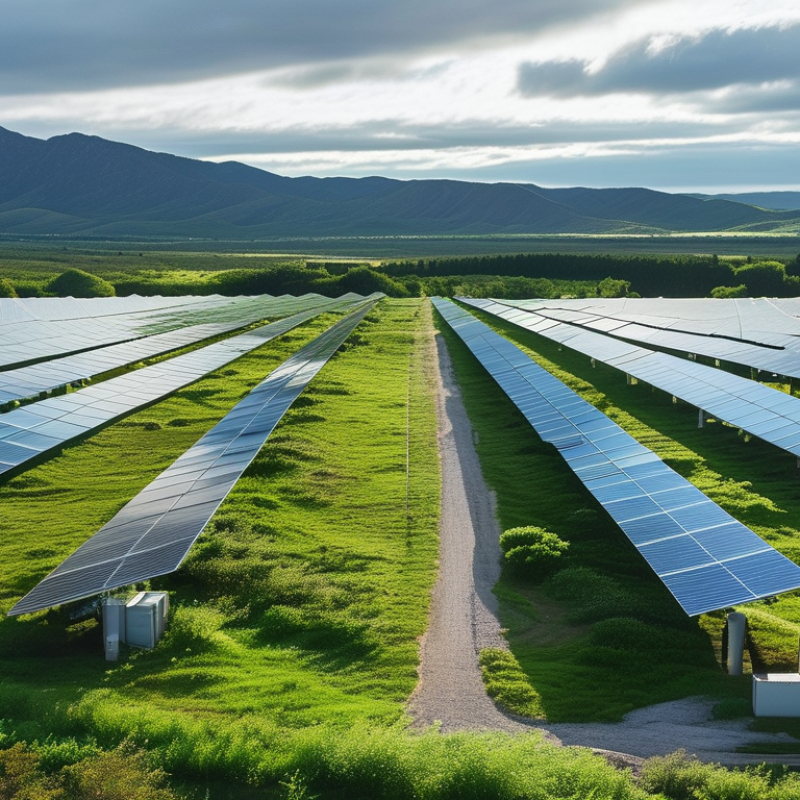
Understanding Solar Power Basics: Energy Generation and Storage Capabilities
Understanding solar power basics is essential for anyone considering an off-grid lifestyle. Solar panels convert sunlight into electrical energy through photovoltaic cells. This process is simple yet effective, allowing you to harness energy from a renewable source.
Storage is a critical component of solar systems. Batteries store excess energy for cloudy days or nighttime use. Choosing the right battery technology can be confusing.
Lead-acid batteries are common but have a shorter lifespan compared to lithium-ion options. Regular maintenance is necessary to ensure longevity.
Many people underestimate the importance of energy management. You must evaluate your energy needs carefully.
Using energy-efficient appliances can significantly reduce your overall consumption.
Balancing energy generation and storage requires monitoring your usage patterns.
It's a learning process that can lead to challenges and adjustments along the way.
Assessing Your Energy Needs: Calculating Daily Consumption for Off-Grid Living
Assessing your energy needs is crucial for off-grid living. Begin by calculating daily consumption. Examine each device in your home. On average, a household uses around 30 kilowatt-hours (kWh) per day, based on U.S. Energy Information Administration data. This number varies by lifestyle. To ensure accuracy, track usage for a week.
Tips for assessing energy needs: List all devices and their wattage. Calculate how many hours each is used daily. For instance, LED bulbs use about 10 watts. If used for five hours, that’s 50 watt-hours. Maintaining a detailed log will help refine your estimates.
Next, consider energy-efficient alternatives. Switching to solar water heaters or Energy Star appliances can cut consumption. Sometimes, off-grid living may require rethinking habits. Cutting back on heating or using less power during peak hours can yield positive results.
Keeping a flexible approach allows for adjustments to energy needs. Daily habits may change, impacting consumption. Regularly reviewing your energy usage can optimize your solar system setup. Balancing needs with available resources is essential for successful off-grid living.
Top 10 Tips for Going Off Grid with Solar Power System
| Energy Appliance |
Wattage (W) |
Usage Hours/Day |
Daily Consumption (Wh) |
| Refrigerator |
150 |
24 |
3600 |
| LED Lighting |
10 |
5 |
50 |
| Laptop |
60 |
8 |
480 |
| Television |
100 |
4 |
400 |
| Coffee Maker |
800 |
1 |
800 |
| Washing Machine |
500 |
1 |
500 |
| Microwave |
1200 |
0.5 |
600 |
| Electric Stove |
2000 |
1 |
2000 |
| Fan |
75 |
8 |
600 |
| Mobile Phone Charger |
5 |
2 |
10 |
| Total Daily Consumption |
4340 Wh |
Choosing the Right Solar Equipment: Panels, Inverters, and Batteries Explained
When going off the grid, choosing the right solar equipment is critical. Solar panels are the heart of the system. They convert sunlight into usable energy. Look for panels that offer high efficiency and durability. A well-made panel can last for decades, but cheaper options may degrade faster. Consider your energy needs when selecting panel sizes and quantities.
Inverters play a crucial role, too. They convert direct current (DC) from the panels into alternating current (AC) for home use. Not all inverters are created equal. Some models can handle more energy and run efficiently under various conditions. It's essential to understand the difference between string inverters, microinverters, and power optimizers. Each has its pros and cons regarding energy production and installation.
Battery storage is another key element. They store excess energy for use during cloudy days or at night. Different battery types, like lithium-ion and lead-acid, have unique features and lifespan considerations. Selecting a reliable battery system can be a complex decision. Balance capacity, charging speed, and lifespan for long-term success. It’s important to assess your energy usage patterns as well. Each component requires careful thought to create a successful system.
Installation Considerations: Site Selection and System Configuration Best Practices
When considering going off-grid with a solar power system, site selection is crucial. A recent study highlighted that 40% of solar energy is lost due to improper site evaluation. Begin by assessing your location's sun exposure. Southern-facing areas typically capture the most sunlight. Avoid shaded zones from trees or buildings.
Next, analyze your energy needs. The average household consumes around 877 kWh per month. Calculate your daily requirements in watts. This helps define how many solar panels you need. Configuration is equally important. A balanced system guarantees efficiency. A poorly configured system can lead to energy wastage, causing frustration.
Soil and terrain also play roles in installation. For example, a steep slope may require additional mounting systems. Consider the potential for seasonal weather changes that could impact performance. Ensure you have access to maintenance, too. Many off-grid setups are remote, making repairs challenging. Researching local climate data helps forecast potential issues. Each decision should be thoroughly evaluated to maximize your solar investment.
Maintenance and Performance Monitoring: Ensuring Long-Term Efficiency and Reliability
Maintenance and performance monitoring are crucial for anyone utilizing a solar power system. Consistent check-ups enhance efficiency and reliability. According to a recent industry report, neglected maintenance can decrease system performance by up to 25%. Ensuring your solar panels are clean and free of debris is essential. Dust and dirt buildup can block sunlight, reducing energy absorption. Regularly scheduled inspections should include checking for panel damage and verifying electrical connections.
Consider investing in monitoring software for real-time performance analysis. Such tools can detect irregularities early, allowing for prompt adjustments. Studies show that users who fully utilize monitoring technology can improve system output by up to 15%. Create a daily log for performance metrics such as energy production and usage patterns. This helps in identifying trends and making necessary changes over time.
Routine maintenance should not be underestimated. A simple cleaning can make a substantial difference in output. Engage professionals for in-depth inspections at least once a year. This approach ensures that your system operates at peak efficiency. Solar power is an excellent investment, but it requires diligence. With effective maintenance and monitoring, you can maximize your off-grid solar experience.
FAQS
: Site selection affects energy capture. Poor evaluation can lead to losses, with 40% of solar energy wasted.
Check sun exposure. Southern-facing areas usually receive more sunlight. Avoid shaded zones from trees or buildings.
Calculate daily requirements in watts. The average household uses around 877 kWh monthly. This helps define panel needs.
A balanced system enhances efficiency. Poor configuration may cause energy loss, leading to potential frustration.
Soil and slope matter. Steep areas may need extra mounting systems. Weather conditions can also affect performance.
Regular check-ups are essential. Cleaning dust and debris is vital for optimal sunlight absorption and energy production.
Consider using monitoring software for real-time analysis. It helps detect issues early and improve output significantly.
Aim for professional inspections at least once a year. Regular upkeep ensures your system operates efficiently.
Ignoring maintenance can reduce performance by up to 25%. Routine cleaning and checks are critical for longevity.
Create a daily log for metrics like energy production. Identifying usage patterns helps make informed adjustments over time.
Conclusion
Transitioning to an off-grid lifestyle with a solar power system can be a rewarding endeavor, and understanding the fundamentals is crucial. To start, it's important to grasp the basics of solar energy generation and storage capabilities, as they form the backbone of your system. Next, assessing your energy needs by calculating daily consumption is essential in determining the size of the solar setup required for comfortable living.
Choosing the right solar equipment, including panels, inverters, and batteries, plays a significant role in efficiency and reliability. Installation considerations, such as site selection and optimizing system configuration, are key to maximizing energy capture. Finally, regular maintenance and performance monitoring ensure that your solar power system maintains long-term efficiency. By following these guidelines, you can effectively learn how to go off-grid with a solar power system, leading to a more sustainable and independent lifestyle.

 Stove Solar