The efficiency of solar panels is pivotal for sustainable energy, especially in China. As the world's largest solar market, China's advancements depend on multiple factors. Notably, solar panels in China are subject to climatic influences, production technology, and installation practices. According to a recent report by the National Renewable Energy Laboratory (NREL), environmental conditions can reduce solar panel output by 15% or more.
One key question emerges: what factors affect the efficiency of solar panels? Temperature, shading, and panel orientation play critical roles. Research shows that high temperatures can decrease efficiency, turning sunlight into wasted heat. Optimal installation techniques can improve energy yield by up to 30%. However, not all installations follow best practices, leading to inefficiencies.
Chinese manufacturers strive to enhance technology and quality. Yet challenges remain. There are inconsistencies in module performance and installation standards across regions. Addressing these gaps is essential for maximizing energy production. Evaluating these factors is crucial for a greener future in solar energy. The road to improvement is ongoing, requiring reflection and innovation.
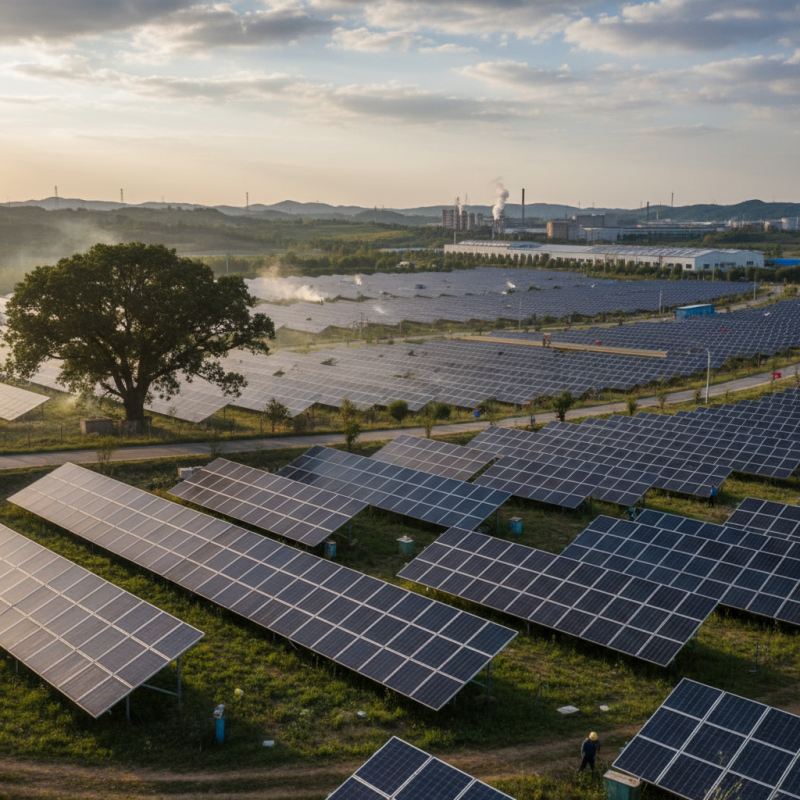
Factors Affecting Solar Panel Efficiency in China: An Overview
Solar panel efficiency in China hinges on various interrelated factors.
Environmental conditions, such as temperature and sunlight intensity, play a key role. For instance, a report from the
National Renewable Energy Laboratory indicates that solar panels can lose about
0.5% efficiency for every degree Celsius increase in temperature. This is crucial for regions
in China with rising temperatures.
The quality of solar panel materials significantly impacts their performance. High-quality silicon materials enhance energy
conversion rates. Research by the International Energy Agency indicates
that premium panels convert up to 20% of sunlight into electricity. Furthermore,
installation angles and shading also matter. Panels installed at optimal angles can
increase efficiency by 15-20%.
Despite advancements, challenges remain. The performance gap between different panel types can lead to inefficiencies.
Maintenance issues can also hinder performance over time. Regular cleaning and checks
are necessary but often overlooked. Therefore, awareness and ongoing evaluation of these factors are vital for maximizing
solar panel efficiency in China.
Geographical Influences on Solar Panel Performance in Different Regions
Geography plays a crucial role in the efficiency of solar panels across China. Different regions experience varying levels of sunlight. For instance, the north receives less solar radiation than the south. Places like Xinjiang enjoy high solar exposure. This geographic diversity directly impacts energy output.
Altitude also affects performance. Higher elevations can mean clearer skies and stronger sunlight. However, cities in valleys may struggle with pollution. This can lead to decreased solar panel effectiveness. Dust and smog accumulate, blocking sunlight and reducing efficiency. Therefore, even sunny regions may face challenges.
Additionally, seasonal changes influence solar energy. Northern regions have long winters with short days. This results in lower overall energy production during these months. In contrast, southern areas experience more consistent sun throughout the year. Variations in weather patterns also create uncertainty in energy forecasting. These factors highlight the complexity of solar efficiency across China's diverse landscape.
Technological Advancements Impacting Solar Panel Efficiency
Technological advancements play a crucial role in enhancing solar panel efficiency in China. Innovations in materials, such as perovskite solar cells, have shown significant potential. These materials can be more efficient than traditional silicon-based cells. Researchers are exploring new chemical compositions to boost energy conversion rates.
Manufacturing processes are evolving too. Advanced techniques like bifacial technology capture sunlight from both sides of the panel. This can increase overall energy output. Additionally, improvements in anti-reflective coatings help maximize light absorption. However, these changes come with challenges. For instance, the durability of new materials must be thoroughly tested.
Moreover, integration of smart technology is reshaping solar panel systems. Smart inverters and monitoring systems optimize energy use. Consumers can now track performance in real-time. Yet, these technologies require reliable infrastructure and skilled workforce. Without proper training, the benefits may not be fully realized. Sustainability remains a key focus, but the balance between innovation and practicality needs reflection.
What Factors Influence Solar Panel Efficiency in China? - Technological Advancements Impacting Solar Panel Efficiency
| Factor |
Description |
Impact on Efficiency |
Example |
| Solar Cell Materials |
Types of semiconductors (e.g., silicon, cadmium telluride) |
Higher purity and advanced materials increase efficiency |
PERC technology |
| Panel Design |
Configuration and layout of cells within the panel |
Optimized designs improve light absorption |
Bifacial panels |
| Manufacturing Techniques |
Processes used in the production of solar panels |
Advanced techniques enhance quality and reduce defects |
Laser doping |
| Environmental Factors |
Temperature, humidity, and dust levels |
Ideal conditions can maximize performance |
Dust-resistant coatings |
| Inverter Technology |
Conversion of DC to AC power |
High-efficiency inverters can recover losses |
String inverters vs. microinverters |
Weather and Climate Conditions Affecting Solar Energy Generation
Weather and climate play critical roles in solar panel efficiency, particularly in China, where diverse conditions exist. Studies indicate that solar energy generation varies significantly across regions. For instance, areas with high solar irradiance, like the northwest, can achieve up to 1,900 kWh/m² annually. In contrast, coastal regions may experience lower sunlight availability.
Temperature also affects solar panel performance. High temperatures can decrease efficiency. Solar panels typically operate best at around 25°C. Data from industry reports suggest that for every degree above this optimal temperature, efficiency may drop by 0.5%. This highlights the importance of understanding local climate when planning installations.
Tips: Consider local weather patterns when choosing solar technology. Assess the impact of seasonal variations on energy output to maximize efficiency. Furthermore, ensure regular maintenance of panels, as dust and debris can significantly reduce performance.
Economic and Policy Factors Shaping Solar Panel Efficiency in China
The efficiency of solar panels in China is significantly influenced by economic and policy factors. According to a recent report by the International Renewable Energy Agency (IRENA), China's solar capacity reached 253 gigawatts in 2020, largely due to government incentives and investments. However, the rapid expansion led to concerns about quality and efficiency. Market saturation can reduce competitive pressure on manufacturers, affecting overall panel performance.
Policies such as feed-in tariffs and tax incentives play vital roles. The Chinese government has implemented various subsidies to stimulate growth in the solar sector. However, these financial aids sometimes prioritize quantity over quality. Consequently, some manufacturers may cut corners to maintain low prices, leading to inconsistent efficiency levels among solar products.
Tip: Always check efficiency ratings before purchasing solar panels.
While there have been impressive advances, issues remain. A report from the National Renewable Energy Laboratory (NREL) highlighted that factors like raw material quality and production processes can impact panel longevity. Not all panels perform optimally under diverse environmental conditions, which raises questions about their real-world efficiency.
Tip: Pay attention to warranty and after-sales support.
Investing in high-quality, well-regulated panels can mitigate risks. The future of solar energy in China depends not only on technological advancements but a balanced approach to policies that encourage sustainable practices. It is crucial to remain vigilant about efficiency metrics amid fluctuating economic incentives.
Conclusion
In examining "What factors affect the efficiency of solar panels" in China, several key influences become evident. Firstly, geographical factors play a significant role, as solar panel performance can vary greatly depending on the region's latitude, altitude, and urbanization levels. Certain areas may receive more sunlight and have less atmospheric interference, leading to improved energy generation.
Additionally, technological advancements are crucial in enhancing the efficiency of solar panels. Innovations in materials and design can lead to better absorption of sunlight and increased energy conversion rates. However, the local weather and climate conditions also significantly impact solar energy generation; factors such as temperature, humidity, and cloud cover can either hinder or enhance performance. Lastly, economic considerations and government policies shape the solar industry landscape in China, influencing investments and the adoption of efficient practices. Collectively, these factors outline the complex dynamics affecting solar panel efficiency in the region.

 Stove Solar