Designing a solar system for your home can significantly reduce energy costs and minimize your carbon footprint. Expert John Smith, a leading authority in renewable energy solutions, states, “Understanding your energy needs is the first step to designing an effective solar system.” This emphasizes the importance of personalizing solar solutions.
When considering how to design a solar system for home use, it’s critical to assess your home's energy requirements. You must evaluate roof space, local climate, and available sunlight. Each detail matters. An improperly sized system can lead to wasted resources or insufficient power supply.
Additionally, you may encounter challenges with installation and local regulations. Researching local guidelines can save you from future hassles. Reflecting on your experiences can lead to better, more informed choices. Striking a balance between efficiency and practicality is key. Embrace the learning process, and remember that even experts face hurdles in their journey.
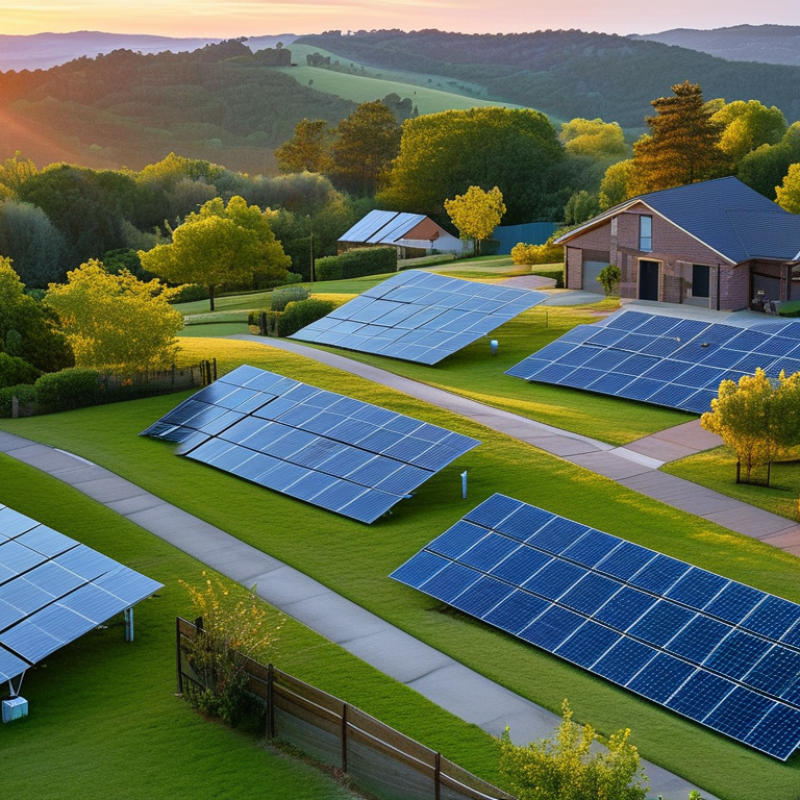
Understanding Your Energy Needs for Solar System Design
Understanding your energy needs is crucial for designing an efficient solar system. Start by reviewing your past energy bills. This gives you a clear picture of your consumption patterns. Identify peak usage times and seasonal variations. Metrics like kilowatt-hours (kWh) used per month can guide your solar design.
Consider your appliances and their energy output. A refrigerator, air conditioner, and heating system consume significant energy. Each has a specific wattage requirement. Knowing these figures helps in calculating the total energy your solar system needs to supply. Don't forget about potential future needs, like electric vehicles or home expansions.
Evaluate factors that can influence your solar setup. Roof orientation and shading from trees impact solar panel efficiency. If your roof isn’t ideal, you might need to adjust your expectations. Energy storage solutions, like batteries, should also be part of the plan. However, their costs and benefits require careful consideration. Aim for a balanced approach that meets current needs but remains adaptable for future changes.
Evaluating Different Types of Solar Panels and Their Efficiencies
When designing a solar system, selecting the right solar panels is crucial. Current market reports highlight significant differences in efficiency among panel types. Monocrystalline panels typically offer the highest efficiency rates, often exceeding 20%. They are made from single-crystal silicon, allowing them to convert sunlight into electricity more effectively. This makes them a popular choice for homeowners with limited roof space.
Polycrystalline panels are another option, with efficiencies generally ranging from 15% to 17%. While they are typically more affordable, their lower efficiency means you may need more panels to achieve the same energy output as monocrystalline options. This increased space requirement can be a concern for some residences. Lastly, thin-film panels are known for their lightweight and flexible design. However, their efficiency often falls below 15%, making them less suitable for projects with strict energy output needs.
The decision about which type of panel to install also involves considering the local climate. In areas with abundant sunlight, investing in high-efficiency panels can lead to greater electricity generation. Yet, in regions with frequent cloud cover, lower-efficiency panels might still meet your energy needs without breaking the bank. Homeowners should evaluate their energy requirements carefully and consider both efficiency and cost when choosing solar panels.
How to Design an Efficient Solar System for Your Home? - Evaluating Different Types of Solar Panels and Their Efficiencies
| Type of Solar Panel |
Efficiency (%) |
Cost per Watt ($) |
Lifespan (Years) |
Warranty (Years) |
| Monocrystalline |
15-22% |
$0.75 - $1.00 |
25-30 |
25 |
| Polycrystalline |
13-16% |
$0.60 - $0.80 |
20-25 |
20 |
| Thin-Film |
10-13% |
$0.30 - $0.60 |
10-20 |
10 |
| Bifacial |
15-20% |
$0.90 - $1.20 |
25-30 |
25 |
Importance of Inverters: Choosing Between String and Microinverters
In the quest for an efficient solar system, choosing the right inverter is crucial. There are two primary types: string inverters and microinverters. Each option has advantages and disadvantages worth considering.
String inverters are more traditional and often cost-effective for larger systems. According to the National Renewable Energy Laboratory (NREL), about 80% of residential solar installations use string inverters. However, they perform best when panels face the same direction and receive uniform sunlight. This can be a drawback if your roof has varied orientations. Issues like shading on one panel can reduce the overall performance of the entire string, leading to inefficiency.
On the other hand, microinverters tackle this problem effectively. By installing one microinverter per panel, they allow for better energy harvest from each individual panel. A report from Solar Power World indicates that microinverters can increase energy production by up to 20% in shaded conditions. However, they come with a higher initial cost and require more maintenance. Carefully weighing these factors can lead to more informed decisions. Choose wisely to maximize your solar investment.
Optimizing Roof Space: Factors to Consider for Solar Panel Placement
When designing a solar system for your home, the placement of solar panels is crucial. Each roof is unique, and the orientation and angle can greatly affect energy output. South-facing roofs typically receive the most sunlight, making them ideal for solar installation. However, if your roof slopes east or west, it can still work. The key is to analyze how much sunlight your roof gets throughout the day.
Obstructions like trees and chimneys can create shadows. Even small changes can impact efficiency. A solar panel's effectiveness can drop significantly with just a bit of shade. It’s important to think about future growth too. A tree that provides shade today could become a problem later.
Consider the available space on your roof. The size of your system should match your energy needs. Sometimes, maximizing capacity means sacrificing aesthetics. Panels can be an eyesore, but some homeowners accept that trade-off for lower energy bills. Flexibility in design and thinking outside the box might be necessary. Each home is different, so tailor your approach to what fits best for yours.
Financial Incentives and Solar Energy Savings: What to Expect
When considering solar energy for your home, financial incentives play a crucial role. Many regions offer tax credits, rebates, or grants. These can significantly reduce the initial cost of installing solar panels. For instance, federal tax credits may cover a percentage of your installation expenses. Some states provide additional incentives, which vary widely.
Keep in mind that savings don't stop with installation. Homeowners can expect lower electricity bills, leading to long-term financial benefits. In some cases, excess energy generated can be sold back to the grid. This could create an additional income stream and further offset costs.
Tip: Research your local incentives. Some programs have deadlines. Knowing the options in your area allows you to make informed decisions.
Another consideration is the variance in energy savings based on solar system efficiency. The size of the system matters. Larger systems can capture more sunlight, but they also cost more upfront. Properly estimating your energy needs can prevent over- or under-sizing your system.
Tip: Consult with local experts. They can help assess your home and recommend optimal system sizes tailored to your needs.
A reflective approach is essential. Not all systems are the same, and unexpected issues may arise. Researching and seeking expert advice can mitigate potential pitfalls, ensuring a wise investment in your home’s future.
FAQS
: Knowing your energy needs helps create an efficient solar system. Review past bills to see consumption patterns.
Analyze your historical energy bills to identify peak usage times and seasonal variations in your energy use.
Assess the wattage of major appliances, like refrigerators and air conditioners, to calculate your total energy needs.
Yes, consider potential future demands like electric vehicles or home expansions when designing your solar system.
South-facing roofs usually receive the most sunlight, while east or west sloping roofs can also work effectively.
Trees and chimneys can create shade, which significantly reduces solar panel efficiency. Future growth should also be considered.
Maximizing capacity might make panels less visually appealing. Some homeowners prioritize savings over aesthetics.
While batteries can store energy, their costs and benefits require careful evaluation to ensure a balanced energy plan.
A currently shaded spot could become a bigger issue as trees grow, impacting your solar panel efficiency long-term.
Each panel type varies in efficiency. Monocrystalline panels are efficient, while thin-film panels are less so, affecting your system design.
Conclusion
Designing an efficient solar system for home use requires a comprehensive understanding of your energy needs and the different types of solar panels available. Begin by assessing your household's energy consumption to determine the appropriate system size. Consider the efficiency ratings of various solar panels, as this will significantly affect energy production. Additionally, selecting the right inverter is crucial; options include string inverters or microinverters, each with their own benefits based on system configuration and roof layout.
Optimizing the available roof space for solar panel placement involves evaluating factors such as shading, orientation, and tilt, which can enhance energy capture. Lastly, it’s essential to be aware of financial incentives available for solar energy investments, as these can lead to considerable savings over time. By following these steps, homeowners can effectively navigate how to design a solar system for home use, ensuring a sustainable and cost-effective energy solution.

 Stove Solar