Why You Should Choose the Right Solar System for Your Business?

Time:2026-05-31 Author:Isabella
0%

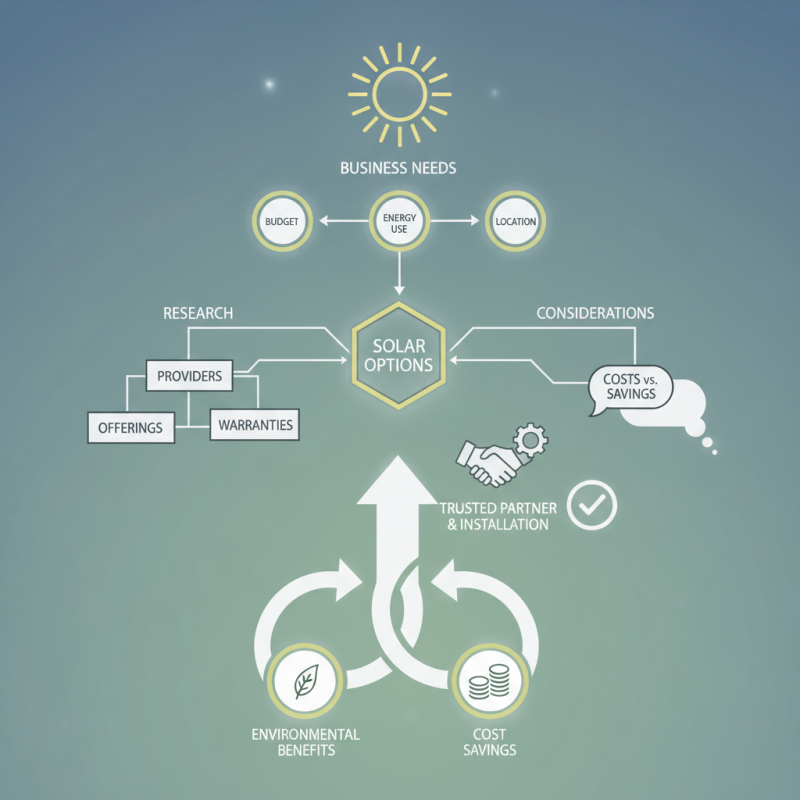
Choosing the right solar system for your business is crucial. A well-designed solar installation can lead to significant cost savings and environmental benefits. However, understanding how to choose a solar system for my business is not always straightforward. Each business has unique energy needs and goals.

When exploring solar options, consider your budget, energy consumption, and location. Each variable plays a role in selecting the most suitable system. You'll need to gather information from multiple providers. Compare their offerings, warranties, and services. This can be overwhelming, and mistakes might happen along the way.

Reflecting on your choices is vital. Not every system will meet all your needs perfectly. There may be trade-offs, such as initial costs versus long-term savings. Finding a reliable solar partner is equally as important as selecting the technology itself. Trust their expertise to guide you towards the best decision for your future.
Why You Should Choose the Right Solar System for Your Business?

Understanding the Importance of Selecting the Appropriate Solar System

Selecting the appropriate solar system for your business is a pivotal decision. It impacts your operational costs, energy independence, and environmental footprint. Many business owners make the mistake of choosing a system based solely on price. This approach can lead to inefficiencies and higher long-term expenses. Investing time in understanding your energy needs is essential.

When evaluating options, consider your location and energy consumption patterns. Each business has unique requirements that a one-size-fits-all solution cannot accurately address. Taking the time to analyze peak usage hours can optimize system performance. Neglecting these details may lead to underperformance and frustration. Engaging with solar energy experts can enhance decision-making. Their insights help identify potential pitfalls and proper installations.

Reflect on different financing and leasing options. Not all businesses have the same budget constraints. A system that seems affordable upfront might incur unexpected maintenance costs later. Doing thorough research is key to ensuring your investment in solar energy is sound. The right solar system should align with your long-term goals, not just immediate savings. Taking a comprehensive approach will ultimately reap benefits for both your business and the environment.

Key Factors to Consider When Choosing a Solar System for Business

When selecting a solar system for your business, several key factors come into play. The size of your establishment and your energy needs are crucial. According to the Solar Energy Industries Association, commercial solar installations increased by 25% in 2020, showing a rising interest. However, not every business has the same energy consumption. Before committing, conduct a thorough energy audit. This will help identify the appropriate system size and potential savings.

Another important factor is the location of your business. Sunlight exposure varies significantly. Roof orientation and shading from nearby structures can impact energy generation. A study from NREL indicates that optimal solar performance depends on geographical location. Businesses in sunny regions often see quicker returns on investment. However, those in less optimal areas must consider alternative options, like battery storage.

Lastly, financing options play a critical role. Various incentives and tax credits are available. The federal solar investment tax credit currently allows businesses to deduct a percentage of solar costs. But, these incentives are subject to change, which can create uncertainty. Understanding these financial aspects will help you make informed decisions. Your solar system choice must balance initial costs with long-term savings. It’s essential to address these factors to avoid pitfalls in your renewable energy journey.

Types of Solar Systems Suitable for Different Business Needs

When selecting a solar system for your business, understanding the types available is essential. Commercial solar systems typically fall into three categories: grid-tied, off-grid, and hybrid systems. Each serves distinct needs based on energy requirements and operational goals.

Grid-tied systems are the most common. They connect directly to the grid, reducing reliance on traditional energy sources. According to the Solar Energy Industries Association (SEIA), these systems comprised 86% of all new solar installations in 2022. They provide easy integration with your existing electrical setup.

Off-grid systems are ideal for businesses in remote locations. These systems allow complete energy independence. For example, data from the National Renewable Energy Laboratory indicates that off-grid systems can lead to significant savings over time. However, they require heavier initial investments and maintenance considerations. Hybrid systems combine both grid-tied and off-grid benefits. They provide a reliable backup during outages and are gaining popularity for their flexibility and sustainability.

Choosing the right solar system depends on your specific business needs. Evaluating usage patterns and energy goals is crucial. Ultimately, the right system can lead to both cost savings and enhanced energy reliability.

Evaluating the Cost-Benefit Analysis of Solar System Investment

When evaluating the cost-benefit analysis of investing in a solar system for your business, the financial implications are significant. According to the U.S. Solar Energy Industries Association, commercial solar installations have increased by over 200% since 2010. This growing trend reflects a shift towards sustainable energy solutions. Businesses can save approximately 75% on energy costs by investing in solar. While this figure is compelling, it is crucial to recognize the initial investment's complexity.

Yet, the installation costs can range between $15,000 and $100,000, based on your system's size and specifications. It's vital to conduct a thorough financial analysis. Some businesses may hesitate due to perceived high upfront costs. However, factors like utility rate increases and tax incentives, such as the Investment Tax Credit, provide substantial long-term savings. A detailed cost analysis must account for these variables to calculate the true return on investment.

Moreover, businesses should not overlook maintenance costs. Solar panels typically require minimal upkeep, but occasional repairs can arise. It's also important to consider the system's longevity. While most solar panels come with a warranty of 25 years, technological advancements can change replacement dynamics. Thus, engaging experts for insight can help navigate these complexities and present a realistic financial outlook when transitioning to solar energy.

The Long-Term Impact of Solar Energy on Business Sustainability

Choosing the right solar system can significantly influence a business's sustainability. Solar energy offers long-term cost savings, reducing reliance on fossil fuels and stabilizing energy expenses. A well-planned solar installation can lead to a greener image, attracting eco-conscious customers. However, some businesses struggle with initial investments and installation complexities. This hesitation may stem from misinformation or the perceived hassle of transitioning to renewable energy.

When considering solar, assess your business's energy needs thoroughly. Calculate your energy consumption and evaluate available space for solar panels. Factors like location and local regulations also play a critical role. Collaborate with solar experts to identify the best solutions tailored to your operational goals.

Always remember that investing in solar is not merely for financial gain. It reflects a commitment to environmental responsibility. Businesses must be aware of their carbon footprint and the benefits of sustainable practices. As society shifts toward greener alternatives, companies not adapting may lose their competitive edge. The journey to sustainable energy is ongoing, requiring reflection and adjustments along the way.

Why You Should Choose the Right Solar System for Your Business? - The Long-Term Impact of Solar Energy on Business Sustainability

Solar System Type Initial Investment ($) Annual Savings ($) Payback Period (Years) Carbon Footprint Reduction (Tons/year)
Grid-Tied Solar System 20,000 3,000 6.7 15
Off-Grid Solar System 30,000 4,500 6.7 20
Hybrid Solar System 25,000 3,750 6.7 18
Solar Water Heating System 15,000 2,500 6.0 10

FAQS

: What factors should businesses consider when choosing a solar system?

: Businesses need to consider the size, energy needs, and location. Sunlight exposure and shading affect energy generation.

How important is energy auditing before installation?

Conducting an energy audit is crucial. It identifies the right system size and potential savings for your business.

What are the different types of solar systems available?

There are three main types: grid-tied, off-grid, and hybrid systems. Each serves distinct energy needs and goals.

What are the benefits of grid-tied systems?

Grid-tied systems connect to the grid and reduce reliance on traditional energy sources. They are the most common choice.

Who should consider off-grid solar systems?

Off-grid systems suit businesses in remote locations. They provide independence but require higher initial investments and maintenance.

What are hybrid solar systems, and why are they popular?

Hybrid systems combine grid-tied and off-grid benefits. They offer reliability during outages and flexibility in energy management.

What financial aspects should businesses evaluate before investing?

Consider initial costs, potential savings, and tax incentives. A thorough financial analysis helps understand long-term benefits.

What is the typical investment range for a solar installation?

Installation costs can range from $15,000 to $100,000, varying by system size and specifications.

Are there ongoing costs associated with solar systems?

Yes, while maintenance is minimal, occasional repairs may arise. Longevity and warranty details are also important to consider.

How can businesses ensure a good return on investment?

Engage experts for insights. Analyze variables like utility rate increases and tax incentives to assess your financial outlook.

Conclusion

Choosing the right solar system for your business is crucial for ensuring long-term sustainability and cost-effectiveness. Understanding the importance of selecting the appropriate solar solution begins with evaluating key factors such as energy needs, space availability, and budget constraints. Each type of solar system can cater to different business requirements, making it essential to assess which option aligns best with your operational goals.

When considering how to choose a solar system for my business, conducting a cost-benefit analysis will allow you to understand the potential return on investment and savings over time. The long-term impact of solar energy extends beyond immediate financial benefits, promoting environmental responsibility and enhancing your brand’s reputation. Investing in the right solar system can lead to significant advantages, ultimately contributing to your business's sustainability.

Isabella

Isabella

Isabella is a dedicated marketing professional with a sharp focus on driving brand growth and engagement through strategic content creation. With an extensive background in digital marketing, she combines her passion for storytelling with her keen understanding of industry trends to deliver......