Choosing the right solar mounting structures is critical for maximizing solar energy efficiency. Many factors come into play when considering how to choose solar mounting structures. The type of solar panels you have, your roof's orientation, and local weather conditions all matter. Each of these variables affects the performance of your solar system.
It's not as straightforward as it seems. With numerous mounting solutions available, such as fixed, adjustable, and tracking mounts, you might face challenges in making a choice. You should also think about installation logistics and long-term maintenance. Reflect on your unique needs and limitations.
Credible sources suggest that proper mounting can enhance energy production by up to 30%. However, misjudgments in selection could lead to wasted investments. When you explore how to choose solar mounting structures, consider consulting with experts. Their experience can provide insights that you might overlook. Ultimately, reliable guidance ensures you make informed decisions that align with your goals.
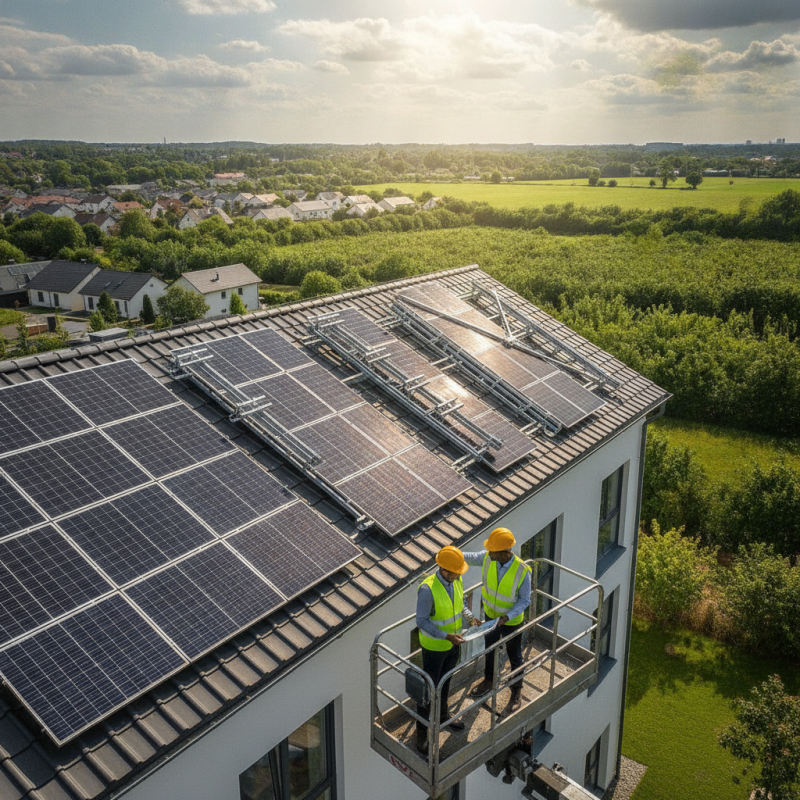
When choosing solar mounting structures, it’s essential to know the different types available.
Ground-mounted systems are popular for large installations. They are easy to install and maintain.
Built at various angles, these structures optimize sunlight capture. In contrast, roof-mounted systems save space and are common for residential use.
They may need reinforcement, depending on the roof size and type.
Pole-mounted systems offer flexibility. They can pivot to track the sun's movement throughout the day.
This type often achieves better energy efficiency than fixed structures. Another option is the building-integrated photovoltaics (BIPV).
These systems blend into the building’s design, providing aesthetic appeal. Yet, they may come with higher installation costs.
Choosing the right structure depends on various factors. Consider the available space, orientation, and climate.
While ground-mounted systems offer ease, roof mounts may be more convenient for homeowners.
Reflect on your needs and limitations before making a decision.
It’s a balance of efficiency, cost, and practicality.
Choosing the right solar mounting structures requires careful consideration of several factors. Site characteristics play a crucial role. Areas with high wind speeds demand robust mounting solutions to ensure stability. According to the National Renewable Energy Laboratory, inadequate mounting systems can lead to a 20-30% loss in energy production. This makes it essential to evaluate local climate conditions before making a decision.
Another important factor is the type of solar panels to be used. Different panels possess varying weights and dimensions. Heavy panels may require sturdier frameworks, while lighter panels can benefit from simpler and less costly mounts. The design and layout of your installation site are also decisive. Limited space might lead to the need for vertical mounting solutions, whereas expansive areas allow for ground-mounted arrays.
Regulatory requirements can also affect your choice. Local building codes might dictate specific mounting types or materials. This places added pressure on decision-makers to align with these regulations. While these complexities can be daunting, thorough research and consultation with industry experts can yield valuable insights. The right mount can significantly enhance the efficiency and longevity of your solar power system.
When evaluating site conditions for solar mounting structures, several factors demand careful consideration. These include the geographic location, soil type, and roof orientation. A report by the National Renewable Energy Laboratory (NREL) states that installing solar panels at an optimal angle can increase energy production by up to 25%. Understanding local weather patterns also plays a critical role, as areas with heavy snowfall or high winds require robust mounting solutions.
Tips: Assess the site's sun exposure throughout the year. This ensures maximum energy collection. Utilize tools like solar path finders to identify optimal angles.
Soil quality is another key aspect. Poor soil can lead to instability. According to industry standards, soil tests should be conducted to determine type and bearing capacity. Sites with loose or sandy soils may require deeper footings or additional support structures. However, not all installations follow these guidelines, leading to potential failures. Regular maintenance checks become essential for adapting to wear and environmental changes.
Tips: Implement drainage systems to prevent water accumulation around mounts. This minimizes erosion and structural shifting over time.
Choosing the right material for solar mounting structures is crucial. Longevity and stability depend heavily on these choices. Common materials include aluminum, steel, and composite solutions. Each option has unique benefits and potential drawbacks. Aluminum offers lightweight durability. However, it may not withstand extreme weather as effectively as steel.
Steel mounting systems provide robust support. They resist harsh conditions, such as heavy winds and snow. Yet, steel can corrode without proper coatings. It’s essential to assess local climate factors when selecting materials. Environmental exposure should guide your decision. Composite materials can offer advantages, like resistance to corrosion. However, they may not always provide the same level of strength.
Often, installers overlook regular maintenance and inspections. This oversight can compromise structural integrity over time. Choosing the right material is only part of the equation. Understanding environmental influences and ongoing care ensures your solar installation remains safe and efficient. Each structure must be tailored to specific site conditions. What might work in one region may fail in another. This reflection is vital when planning for a sustainable energy future.
| Material | Durability (Years) | Corrosion Resistance | Weight (kg/m²) | Cost ($/m²) |
|---|---|---|---|---|
| Aluminum | 25 | Excellent | 2.5 | 50 |
| Steel | 20 | Good (with coating) | 7.0 | 35 |
| Galvanized Steel | 30 | Very Good | 9.0 | 40 |
| Concrete | 50 | Good | 10.0 | 60 |
| Plastic Composite | 15 | Excellent | 3.0 | 75 |
When selecting solar mounting structures, cost and performance are essential factors. Cost-effective solutions often have lower upfront investments. However, these structures might not perform optimally over time. This trade-off can affect energy production. It’s crucial to consider long-term savings against initial costs.
Performance is not just about durability. It also involves how well a solar system captures sunlight. A higher-priced mounting solution may provide better angles and stability. This can lead to increased energy generation. Investing in quality structures can yield a more reliable system.
Balancing cost and performance isn't easy. It often requires deep research and consultation with experts. Some buyers overlook the importance of warranties and material quality. Understanding your installation environment can also change the decision-making process. Factors like wind load and snow accumulation should be examined closely. Making an informed choice can lead to greater efficiency and satisfaction in the long run.
: The main types include ground-mounted, roof-mounted, pole-mounted, and building-integrated photovoltaics (BIPV).
They are easy to install and maintain, and they optimize sunlight capture.
Consider site characteristics, panel weight, local climate, and regulatory requirements.
They save space but may need roof reinforcement depending on the roof size.
They offer flexibility and can pivot to track the sun, increasing energy efficiency.
Proper assessment ensures mounts can withstand local weather and soil conditions effectively.
It can lead to instability, potentially causing failures if not properly addressed.
Regular maintenance checks are essential to adapt to wear and environmental changes.
Install panels at optimal angles and ensure maximum sunlight exposure year-round.
Neglecting soil tests or local regulations can lead to inefficient systems and potential failures.
Choosing the right solar mounting structures is crucial for the efficiency and longevity of your solar energy system. In understanding how to choose solar mounting structures, one must first familiarize themselves with the various types available, including fixed, tracking, and pole-mounted options. Each type has its advantages and suitability depending on project requirements. Additionally, evaluating site conditions such as terrain, sun exposure, and local regulations is essential to ensure optimal installation.
Factors such as material choice also play a significant role in ensuring durability and stability of the mounting structures. Selecting high-quality materials can enhance the longevity of the installation, minimizing maintenance needs. Finally, one must weigh the cost versus performance to find the right balance in solar mounting solutions, ensuring that the system meets both budget and efficiency goals. By considering these aspects collectively, one can make informed decisions on how to choose solar mounting structures that best serve their unique needs.

Stove Solar