How to Choose the Best Sustainable Power Solution for Your Home?

Time:2026-03-20 Author:Amelia
0%

Choosing the right Sustainable Power Solution for your home can be challenging. With various options available, it’s essential to assess your needs. Consider your energy consumption patterns and the environmental impact of each solution.

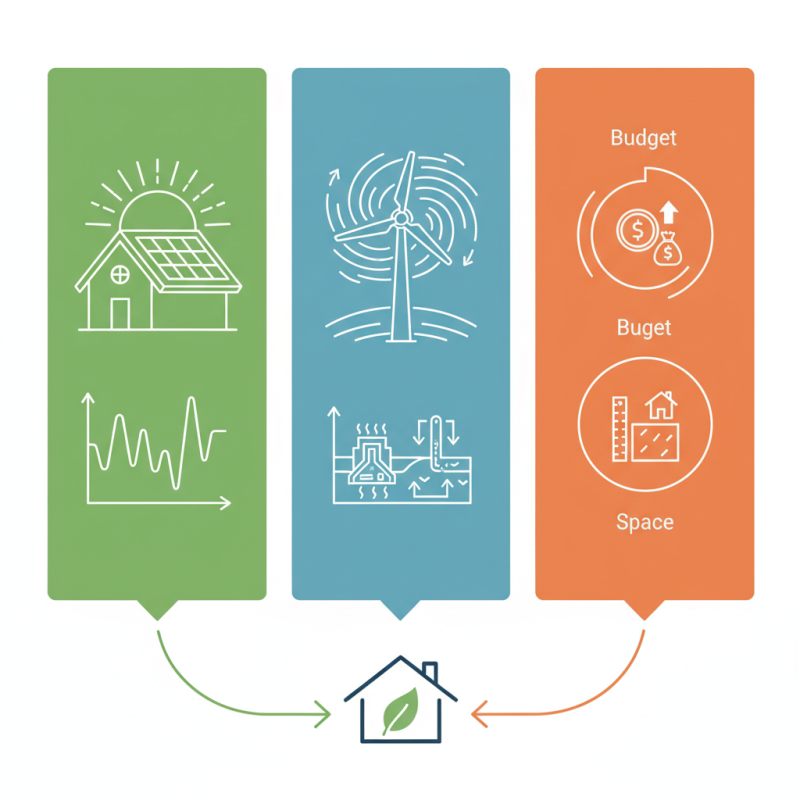
Solar panels, wind turbines, and geothermal systems are some popular choices. Each option has unique advantages and drawbacks. For instance, solar panels may fit better in sunny regions, while wind turbines might be more effective in open spaces.

Yet, finding the most efficient solution requires reflection. What is your budget? How much space do you have? These questions guide your decision-making process. Exploring these factors ensures a more informed choice in your sustainable journey.
How to Choose the Best Sustainable Power Solution for Your Home?

Understanding Different Types of Sustainable Power Solutions

When selecting a sustainable power solution for your home, it’s important to understand the different types available. Solar panels are a popular choice. They convert sunlight into electricity. This energy can power your home. They can also reduce your utility bills. However, initial installation costs can be high. Not everyone has a suitable roof for solar panels.

Wind turbines are another option. They harness wind energy to generate power. A small turbine can produce enough energy for a household. The downside? They require adequate wind speeds. Building regulations may also limit where you can install them. Many homeowners feel unsure about these factors.

Geothermal energy offers a stable solution. It uses the earth's heat for heating and cooling. This option often requires significant upfront investment. Yet, it can provide comfort and cut energy costs over time. Each of these solutions has benefits and challenges. Making a choice can be complex. It's essential to assess your home’s unique needs and local conditions.

Evaluating Your Home's Energy Needs and Consumption Patterns

Evaluating your home's energy needs is crucial for selecting a sustainable power solution. A recent report from the U.S. Energy Information Administration reveals that the average American home consumes about 877 kWh per month. However, energy use varies significantly among households. It's important to assess the unique patterns of your home. Do you have energy-efficient appliances? How often do you use heating or cooling systems? These questions guide your understanding.

Consider your peak usage times. Studies show that households consume nearly 40% of their energy between 5 PM and 10 PM. If your consumption spikes during this time, it might be worth exploring solutions like solar panels or battery storage to optimize usage. Diving deeper, a 2022 survey indicated that over 50% of homeowners reported feeling confused about their energy needs. This lack of clarity can lead to poor decisions regarding power solutions, resulting in wasted resources and higher costs.

Track your energy consumption for a month. This step is often overlooked yet essential. Many find that they underestimate their actual use. You might discover that your energy appetite is larger than anticipated. Such insights can refine your choices and help you better match solutions to your actual needs. Awareness of consumption habits can lead to significant energy savings over time.

Assessing the Environmental Impact of Power Sources

When choosing a sustainable power solution, assessing the environmental impact of power sources is crucial. Renewable energy options like solar and wind have gained popularity. According to the International Renewable Energy Agency (IRENA), solar energy can reduce carbon emissions by about 90%. Photovoltaic panels convert sunlight into electricity with minimal environmental harm.

However, the production of these panels involves resource extraction and can have a footprint. Mining for metals used in solar devices, such as copper and silver, can lead to ecological disruptions. Similarly, wind energy, while cleaner, can impact local wildlife. The American Wind Energy Association reported that around 14,000 birds are affected annually by wind turbines, raising concerns over biodiversity.

People often overlook these factors. A recent study indicated that many homeowners prioritize cost over environmental harm when selecting energy solutions. This mentality can lead to choices that seem sustainable but may not be as eco-friendly as anticipated. Balancing cost, efficiency, and true sustainability remains a complex challenge for homeowners.

Analyzing Costs and Savings of Sustainable Energy Options

Choosing the right sustainable power solution involves evaluating costs and potential savings. According to recent industry reports, the average homeowner can save 30% on energy bills with solar panels. Initial costs might be high, but the investment pays off over time. It's essential to analyze potential savings against installation expenses.

Tips: Research local incentives or rebates. These can significantly offset upfront costs. Some regions offer tax credits that enhance savings. Moreover, consider using energy-efficient appliances to further reduce consumption. A well-planned approach often leads to financial benefits.

It's critical to reflect on personal energy usage. Understanding daily consumption patterns can reveal areas for improvement. Data suggests homeowners often underestimate their energy needs. Regular audits can help identify wasteful practices. Strive to balance initial expenditure with long-term benefits. Sustainable energy covers more than just financial aspects; it's about a mindset shift.

Cost and Savings Analysis of Sustainable Energy Options

This chart compares the initial costs and potential annual savings of various sustainable energy options for homeowners, including solar energy, wind energy, and geothermal energy. The data represents the average estimates available in the market.

Researching Incentives and Policies for Renewable Energy Adoption

When selecting a sustainable power solution for your home, understanding the incentives and policies is crucial. Governments often provide various programs to encourage the adoption of renewable energy. These can significantly reduce initial costs and enhance long-term savings.

Tips: Look for federal and state tax credits. Many regions offer rebates for solar panel installations. These incentives can make renewable energy more affordable. Research local policies on energy credits. Some areas allow you to sell surplus energy back to the grid. This can provide an ongoing income stream.

Finding reliable information is essential. Policies change frequently, and it can be complex. Check credible websites and local government resources. Reach out to renewable energy advocates in your community. They can offer insights into navigating the complexities. Remember, you might find discrepancies in information. Always seek clarity before making decisions.

Exploring these incentives can make a significant difference. Many homeowners overlook them. This leads to lost opportunities for savings. Always keep an open mind and be ready to adapt your plans based on new information. Sometimes the best solutions require unconventional thinking and flexibility.

FAQS

: What are common types of sustainable power solutions?

: Common types include solar panels, wind turbines, and geothermal energy systems. Each has unique benefits and challenges.

How do solar panels generate energy?

Solar panels convert sunlight into electricity to power homes and reduce utility bills.

What is a major downside of installing solar panels?

The initial installation cost can be high, and not all roofs are suitable for them.

How do wind turbines work?

Wind turbines harness wind energy to generate power, suitable for some households.

What challenge do wind turbines face?

They require adequate wind speeds and may be limited by building regulations.

Why is evaluating energy needs important?

Understanding your energy consumption helps in selecting the right sustainable power solution for your home.

What should I track to better understand my energy needs?

Track your energy consumption patterns for a month. You may underestimate actual usage.

Are there incentives for adopting renewable energy?

Yes, many governments offer tax credits and rebates that can reduce initial costs and enhance savings.

How can I find reliable information on renewable energy policies?

Check credible websites, local government resources, and consult renewable energy advocates for guidance.

What common mistake do homeowners make regarding incentives?

Many overlook available incentives, leading to missed savings and potential financial benefits.

Conclusion

When considering how to choose the best Sustainable Power Solution for your home, it's essential to first understand the various types of sustainable energy sources available, such as solar, wind, and geothermal. Evaluating your home's specific energy needs and consumption patterns can help determine which solution aligns best with your lifestyle and budget.

Additionally, assessing the environmental impact of each power source is crucial for making an informed decision that supports ecological sustainability. Financial factors, including the initial costs and potential savings over time, should also be analyzed. Finally, researching incentives and policies that promote renewable energy adoption can provide valuable support, making the transition to a Sustainable Power Solution more accessible and beneficial for homeowners.

Amelia

Amelia

Amelia is a seasoned marketing professional with a wealth of expertise in our company’s core offerings. With an unwavering passion for driving growth and innovation, she plays a pivotal role in shaping our marketing strategies and enhancing brand visibility. A key aspect of her responsibilities......