How to Choose a Hybrid Solar System and Its Benefits?

Time:2026-05-13 Author:Liam
0%

Choosing the right energy source is crucial for a sustainable future. A hybrid solar system presents a balance between traditional electricity and renewable energy. But what is a hybrid solar system and its benefits? This innovative setup combines solar panels with other energy systems. It enables seamless energy transitions, ensuring the availability of power even during cloudy days.

Exploring hybrid solar systems reveals their advantages. They can reduce energy costs significantly. Generating electricity from solar power means less reliance on fossil fuels. This leads to lower carbon emissions and a smaller carbon footprint. However, deciding on the right system can feel overwhelming. Factors like energy needs, budget, and location must be considered carefully.

Gaining knowledge and expert advice is essential in this process. Understanding how to evaluate your specific requirements will help you make informed decisions. Emphasizing aspects like efficiency and implementation can guide you toward the optimal hybrid solar solution. Empower yourself with the right information for a clean energy future.
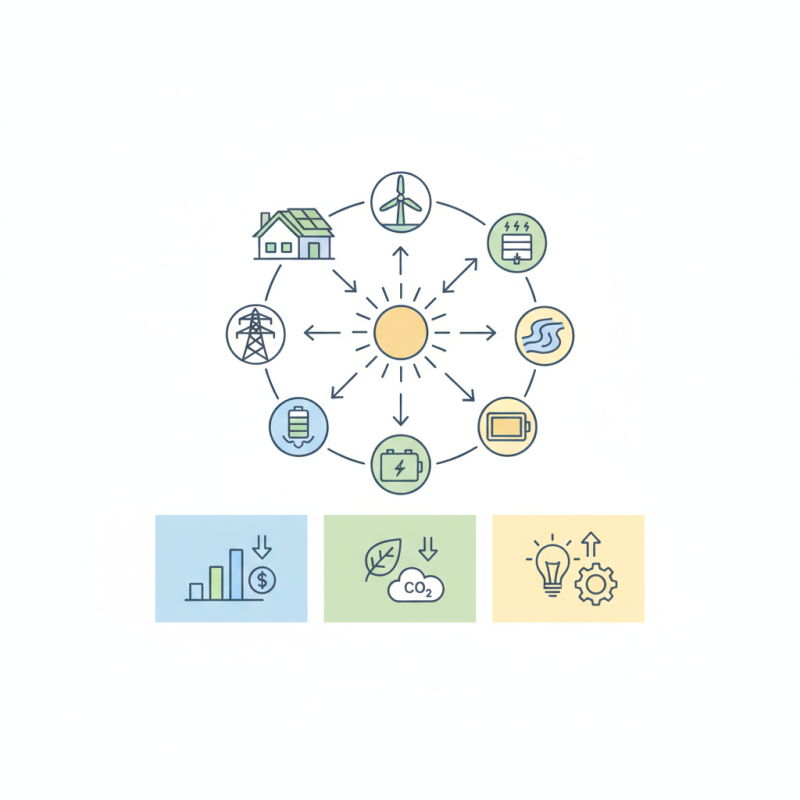
How to Choose a Hybrid Solar System and Its Benefits?

Understanding Hybrid Solar Systems: An Overview

Understanding Hybrid Solar Systems: An Overview

Hybrid solar systems combine traditional grid power with solar energy. They offer flexibility and reliability for homeowners. According to industry reports, hybrid systems can increase energy independence by up to 70%. They allow users to store energy in batteries and utilize it during peak demand times.

When considering a hybrid system, take note of your energy consumption patterns. Analyze your utility bills for insights. A system's size and capacity should match your needs. Some studies suggest many homeowners underestimate their energy requirements by 30%. Be cautious about oversizing to avoid unnecessary costs.

Tips: Choose batteries with high efficiency ratings. Research battery lifespan and maintenance needs. A well-chosen battery can last over ten years, but costs vary widely. Don't overlook local climate factors. For example, regions with consistent sunlight benefit more from solar energy. Reflect carefully on your options. The technology is rapidly evolving, and what works today may change soon.

Hybrid Solar System Performance Comparison

This chart illustrates the performance metrics of hybrid solar systems, showcasing their energy savings, cost efficiency, return on investment, and environmental impact. The data highlights the significant advantages of adopting hybrid solar technology.

Key Components of a Hybrid Solar System Explained

When considering a hybrid solar system, understanding its key components is essential. A hybrid solar setup typically includes solar panels, an inverter, batteries, and a charge controller. Solar panels transform sunlight into electricity. This green energy can then power your home or charge the batteries for later use.

Inverters play a critical role. They convert direct current (DC) from the solar panels into alternating current (AC), which most appliances use. Batteries store excess energy for cloudy days. This storage ensures you still have power when the sun isn't shining. Lastly, a charge controller regulates the electricity flowing to and from the batteries, preventing overcharging and maintaining battery health.

Choosing the right components can feel overwhelming. Not every system fits every home. Evaluating your energy needs, local climate, and availability of sunlight is crucial. Some systems may seem overpowered. A smaller system could suffice for reduced energy consumption. Balancing efficiency and capacity requires careful planning. Reflecting on these elements will lead to smarter choices in your solar journey.

How to Choose a Hybrid Solar System and Its Benefits? - Key Components of a Hybrid Solar System Explained

Component Description Benefits
Solar Panels Photovoltaic cells that convert sunlight into electricity. Generate renewable energy, reduce electricity bills, and increase property value.
Hybrid Inverter Converts DC electricity from solar panels and battery to AC for use in homes. Optimizes energy consumption and allows for grid and off-grid functionality.
Battery Storage Stores excess electricity generated by solar panels for use during low production times. Increases energy independence and provides backup power during outages.
Charge Controller Regulates the voltage and current coming from the solar panels to the battery. Prevents overcharging, prolonging battery life and improving system safety.
Monitoring System Tracks energy production, usage, and battery status in real-time. Allows for efficient energy management and timely troubleshooting.

Factors to Consider When Choosing a Hybrid Solar System

When choosing a hybrid solar system, several factors come into play. Understanding your energy needs is crucial. Assess your household's electricity consumption patterns. This helps in selecting the right system size. Think about your budget as well. Costs can vary significantly based on equipment and installation.

Another vital factor is the type of batteries available. Lithium-ion batteries are popular due to their efficiency and longevity. However, they can be expensive. Lead-acid batteries are a more affordable option. Yet, they may not last as long. Weigh the pros and cons carefully.

Tips: Consider local climate conditions. Solar efficiency can be impacted by weather. Additionally, check available incentives for solar systems in your area. These can significantly reduce initial costs, making your decision easier. It's also worth researching local installers. Their expertise can affect system performance.

Lastly, think about future expansions. What if your energy needs grow? Choose a system that can be easily upgraded. It’s essential to stay flexible for potential changes. This foresight can save you from costly reinvestments down the line.

Benefits of Installing a Hybrid Solar System

Installing a hybrid solar system offers many benefits. One major advantage is energy independence. This system combines solar panels with traditional energy sources. This means you can rely less on the grid. It’s a great choice for those in remote areas.

Another key benefit is cost savings. Hybrid systems allow you to store energy for later use. This can reduce your electricity bills. Your energy production can match your consumption needs. However, initial installation costs may raise concerns. Financing options exist, but they may not suit everyone.

Hybrid solar systems also contribute to sustainability. You reduce your carbon footprint by using renewable energy. This choice impacts future generations positively. Yet, not everyone may fully understand hybrid systems. Continual learning is crucial to optimize their use effectively. Adopting this technology requires commitment and reflection on energy consumption habits.

Maintenance and Upkeep of Hybrid Solar Systems

Maintaining a hybrid solar system is crucial for its longevity and efficiency. Regular cleaning of the solar panels helps ensure optimal performance. Dust, debris, and bird droppings can significantly reduce energy output. Use a soft brush or cloth and a gentle cleaning solution to avoid scratches. Inspect the panels at least twice a year.

Battery maintenance is essential too. Check the battery levels routinely and keep connections clean. A poorly maintained battery can lead to reduced energy storage and inefficient functioning. If you notice any swelling or corrosion, consider consulting a professional.

Monitoring your system's performance is important. Use apps or software to track energy production and consumption. Unexpected dips in output can indicate issues. Routine check-ups by certified technicians can prevent potential problems that could lead to costly repairs. Regular maintenance is not just about fixing; it’s about ensuring your system works effectively for years to come.

FAQS

: What is a hybrid solar system?

: A hybrid solar system combines grid power with solar energy for flexibility and reliability.

How much can a hybrid solar system increase energy independence?

Hybrid systems can boost energy independence by up to 70%.

What should I analyze before choosing a hybrid system?

Review your energy consumption patterns and utility bills closely.

How do I determine the right system size?

Assess your electricity needs, but avoid oversizing to cut unnecessary costs.

What type of batteries should I consider?

Lithium-ion batteries offer high efficiency, while lead-acid are more affordable but less durable.

What affects solar efficiency?

Local climate conditions can significantly impact solar energy generation.

Are there financial incentives for hybrid systems?

Check local incentives, as they can lower initial costs substantially.

How can I prepare for future energy needs?

Choose a system that is easily upgradeable to accommodate potential growth in energy demand.

What are the environmental benefits of hybrid systems?

By using renewable energy, you help reduce your carbon footprint and contribute to sustainability.

What do homeowners often underestimate?

Many homeowners underestimate their energy requirements by 30%. Reflecting on this is essential.

Conclusion

A hybrid solar system combines traditional energy sources with solar power, providing a flexible and efficient energy solution. Understanding what a hybrid solar system is and its benefits can help homeowners make informed choices. Key components include solar panels, inverters, and energy storage systems, which work together to maximize energy efficiency. When selecting a hybrid solar system, factors such as energy needs, budget, and local regulations should be considered.

The benefits of installing a hybrid solar system include reduced energy costs, increased energy independence, and lower carbon emissions. Additionally, they offer the flexibility of using stored solar energy during peak hours, ensuring a reliable power supply. Regular maintenance is essential to keep these systems operating at peak performance, including monitoring energy production and equipment condition. Overall, hybrid solar systems present a sustainable and adaptable option for modern energy needs.

Liam

Liam

Liam is a dedicated marketing professional with a profound expertise in the industry, where he excels at highlighting the unique advantages of our core products. With a keen understanding of market trends and consumer needs, Liam frequently updates our company’s professional blog, providing......