In the rapidly evolving world of solar energy, understanding the various solar panel types is crucial. Many people wonder, "What is the difference between solar panel types?" This question is essential for making informed decisions. Different types of solar panels have unique characteristics and efficiencies. For instance, monocrystalline panels boast high efficiency but can be more expensive. On the other hand, polycrystalline panels are often more affordable but slightly less efficient.
The variety of options can be overwhelming. Each type of panel has its pros and cons. For example, thin-film panels are lightweight and flexible, suitable for various applications. However, they typically have lower efficiency. It’s important to reflect on these differences and assess your specific needs. Selecting the right panel requires careful consideration of factors such as cost, installation, and power output. Understanding this landscape will help you choose the best solar panel for your situation. With evolving technologies, staying informed is vital for navigating this market.
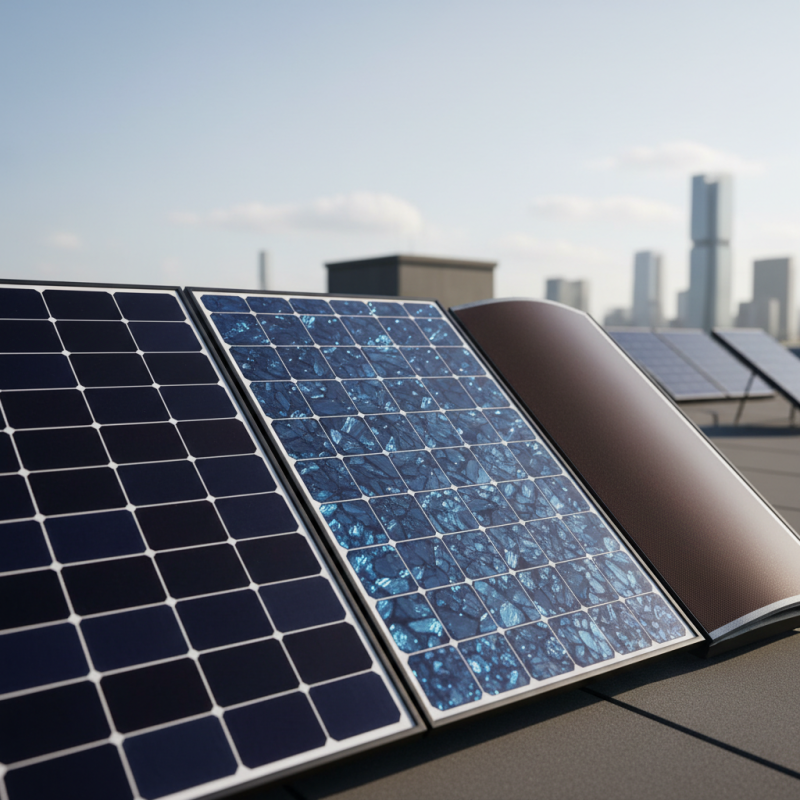
In China, solar panels come in various types, each with unique features. The most common types are monocrystalline, polycrystalline, and thin-film solar panels. Monocrystalline panels are known for their high efficiency and larger energy output. They perform well in limited space but come at a higher cost. Polycrystalline panels, while slightly less efficient, offer a more budget-friendly option. They work well in larger installations where space is less of a concern.
Thin-film panels are lightweight and flexible. They can be integrated into building materials but typically have lower efficiency. This type can be a good choice for specific projects with unique design requirements.
Tips: Consider your energy needs before choosing a panel type. The installation environment plays a crucial role in performance. Additionally, assess long-term costs versus upfront investment for a well-rounded decision. Make sure to research local regulations and incentives too. Being thorough in your research can lead you to make the best choice for your solar project.
| Solar Panel Type | Efficiency (%) | Cost (USD per Watt) | Lifespan (Years) | Best Use Cases |
|---|---|---|---|---|
| Monocrystalline | 15-22 | 0.50-0.80 | 25 | Residential, Commercial |
| Polycrystalline | 13-18 | 0.40-0.70 | 25 | Large Scale, Affordable Solutions |
| Thin-Film | 10-12 | 0.30-0.50 | 20 | Flexible Uses, BIPV Applications |
| Bifacial | 18-24 | 0.60-0.90 | 30 | Ground Mount, High Yield Areas |
When comparing monocrystalline and polycrystalline solar panels, there are notable differences. Monocrystalline panels are made from a single crystal structure. They tend to be more efficient, providing more energy per square foot, especially in low-light conditions. Their sleek, dark appearance is often favored for residential installations.
On the other hand, polycrystalline panels consist of multiple crystal structures. They are generally less expensive to produce, which can lower upfront costs for homeowners. However, their efficiency might not be as high as monocrystalline panels, especially in hot weather. The speckled blue hue of polycrystalline panels gives them a distinct look.
**Tip:** Consider your available space. If you have limited roof space, monocrystalline may be a better choice.
It's essential to reflect on your energy needs and budget. If you're focused on maximizing energy output regardless of cost, monocrystalline shines. However, if affordability and initial investment are priorities, polycrystalline could be the right fit.
**Tip:** Research local solar incentives. You may find programs that favor one panel type over another, affecting overall cost.
Each panel type has pros and cons. The choice between them hinges on individual circumstances, project goals, and financial considerations. Take your time to analyze all aspects before deciding.
Thin-film solar panels represent a unique segment in the solar technology landscape. They are made by layering thin films of photovoltaic material onto a substrate. This method allows for lightweight and flexible solar panels, ideal for various applications.
According to the National Renewable Energy Laboratory, thin-film technologies like cadmium telluride (CdTe) and amorphous silicon (a-Si) account for about 10% of the global solar market.
These panels have notable advantages. Their lower production costs can make them an attractive option for large-scale projects. Additionally, they perform better in low-light conditions compared to traditional silicon panels. This capability can enhance energy generation in cloudy regions.
However, thin-film technologies face limitations too. Generally, they have a lower efficiency rate, typically ranging from 10% to 12%, compared to crystalline silicon panels that exceed 20%.
Moreover, durability remains a concern. Thin-film panels tend to degrade faster, especially in harsher environments. A report from the International Energy Agency indicates that enhancing the lifespan and efficiency of these panels is critical for wider adoption. Despite their potential benefits, careful consideration of their long-term performance is essential for investors and consumers alike.
When it comes to solar panels, efficiency is a key metric. Different types of panels exhibit varying performance levels.
Monocrystalline panels often offer the highest efficiency, typically ranging from 15% to over 20%. They are made from a single crystal structure, which helps them convert sunlight into electricity effectively. Their sleek design and higher output make them a popular choice among homeowners.
However, polycrystalline panels are another contender. These panels are made from multiple crystal structures. While they generally have a slightly lower efficiency, around 13% to 16%, they tend to be more affordable. This makes them an appealing option for those on a budget.
Additionally, thin-film solar panels provide unique advantages. With lower efficiency ratings, usually between 10% and 12%, they are lightweight and flexible. This flexibility allows for installation on various surfaces, but the trade-off is reduced power generation.
Investing in solar panels requires a comprehensive understanding of these differences. An informed decision hinges on evaluating performance metrics that align with specific energy needs.
The variations in efficiency can lead to different outcomes. For some, the higher cost of monocrystalline may not justify the benefits, while others might prioritize budget over efficiency. Understanding these factors is crucial for selecting the right solar technology.
The solar panel market continues to grow, and understanding cost analysis is crucial for consumers. Selecting the right type can significantly impact long-term savings. Monocrystalline panels are often highlighted for their efficiency, achieving around 20% conversion rates. However, they come at a higher upfront cost, which can be a barrier for many homeowners.
Polycrystalline panels typically offer a lower price point. Their efficiency rates hover around 15% to 17%. Some may view this as a compromise. Yet, they still provide good value for average energy needs. A report by the National Renewable Energy Laboratory revealed that, over a typical 25-year lifespan, polycrystalline panels could save consumers nearly 15% on initial investments compared to their monocrystalline counterparts.
Thin-film panels are another option, with flexibility and lightweight design. However, they lag in efficiency, often ranging from 10% to 12%. The lower output may lead to increased costs for installations requiring more panels. Investing in solar technology involves weighing these variables. Users must consider their specific energy needs and budget flexibility when making decisions. Understanding these differences helps clarify the true value each panel type brings.
: They are made by layering thin films of photovoltaic material onto a substrate.
They are lightweight and flexible, making them suitable for various applications.
They perform better than traditional silicon panels, enhancing energy generation in cloudy areas.
Their efficiency typically ranges from 10% to 12%, which is lower than many alternatives.
They can degrade faster, especially in harsher environmental conditions.
They could save consumers nearly 15% on initial investments compared to monocrystalline panels.
Yes, their lower production costs can make them attractive for large-scale solar projects.
They must weigh efficiency, costs, and specific energy needs before making a decision.
They offer unique benefits, but their overall efficiency limits their wider adoption.
Yes, enhancing their lifespan and efficiency is critical for broader acceptance and performance.
In the examination of solar panel types in China, the article addresses the key question: "What is the difference between solar panel types?" It provides a comprehensive overview that highlights three primary varieties: monocrystalline, polycrystalline, and thin-film solar panels. Monocrystalline panels are noted for their high efficiency and space-saving designs, while polycrystalline panels offer a more cost-effective solution with slightly lower efficiency. Thin-film solar panels, although less efficient, present advantages in flexibility and lightweight, making them suitable for specific applications.
Furthermore, the article delves into the performance metrics and efficiency comparisons across these types, emphasizing how these factors impact the overall value and investment in solar technology. A detailed cost analysis helps consumers determine which solar panel type offers the best return on investment, considering both initial setup costs and long-term energy savings. This comparative approach serves as a valuable guide for anyone interested in making informed decisions about solar energy solutions in China.

Stove Solar