As the demand for renewable energy grows, the importance of understanding how to extend the life of a solar system becomes crucial. Industry expert Dr. Emily Carter, a leading solar technology researcher, emphasizes, "Proper maintenance can significantly enhance the lifespan of solar panels." This insight highlights the need for effective strategies.
Many homeowners overlook simple maintenance tasks. Regularly cleaning the panels can prevent dirt build-up, which reduces efficiency. It's essential to inspect wiring and connections frequently. Corroded or loose connections can lead to power losses. Furthermore, environmental factors such as shading can affect performance. Understanding these issues is vital for achieving the best results.
Implementing optimal practices can make a substantial impact on solar systems. Investing time in maintenance not only saves costs but also maximizes energy production. Every small action contributes to longevity. As the solar industry continues to evolve, adapting to new methods is essential. This commitment can ensure a sustainable energy future.
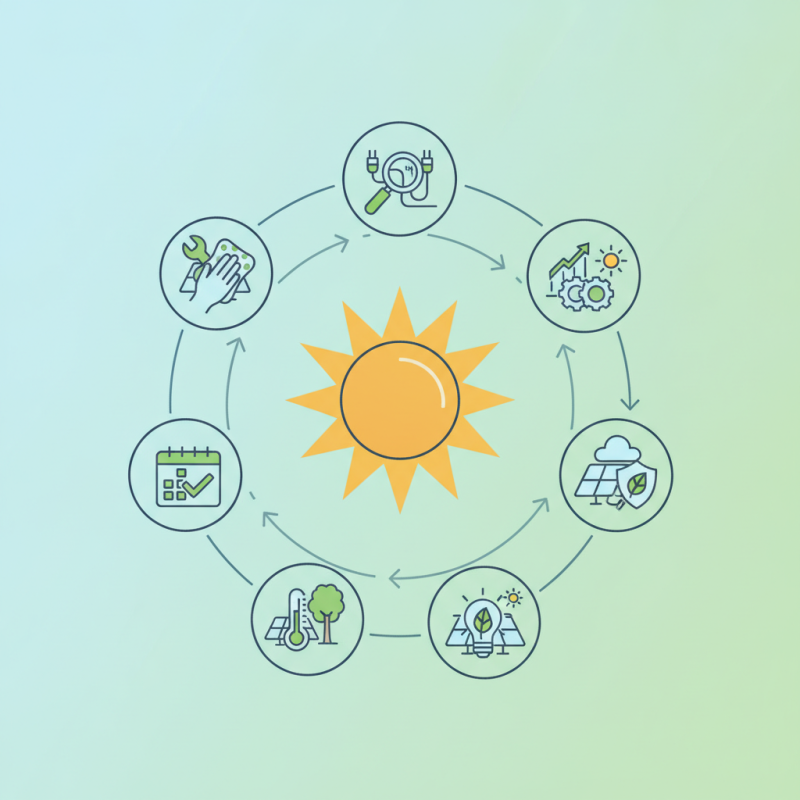
Maintaining a solar energy system can significantly enhance its longevity. Regular inspection is crucial. Look out for dirt or debris on your panels. This buildup can reduce efficiency. Cleaning panels at least twice a year ensures optimal performance.
Check the inverter regularly. It is the heart of your solar system. If it’s not functioning well, your energy output drops. Pay attention to error codes and strange noises. These could indicate potential issues that need addressing. Replace worn-out parts promptly to avoid bigger problems later.
Battery maintenance is another key practice. Monitor the state of charge frequently. Ensure your batteries are balanced and not overcharged. High temperatures can also damage them. Insulate your battery storage area to prevent heat buildup. A little attention today can save you from costly repairs tomorrow.
Temperature significantly affects solar panel efficiency. High temperatures can decrease the energy output of solar panels. As panels heat up, their performance typically declines. Most solar panels are tested at 25 degrees Celsius. When temperatures rise above this, efficiency drops.
For instance, if the temperature exceeds 35 degrees Celsius, energy production may decrease by 10% or more. This shift can lead to reduced energy savings. It's essential to optimize your solar panel installation. Positioning panels for better airflow can mitigate overheating.
Consider shading options as well. Trees or structures can both help cool panels. However, be cautious; too much shade can reduce efficiency. Regular maintenance is necessary to ensure optimal performance. Dirty panels can absorb more heat, further impacting efficiency. Balancing these factors is crucial for extending the lifespan of your solar system.
Regular cleaning is essential for optimal solar performance. Dust, dirt, and debris accumulate on solar panels over time. This buildup reduces the panels' efficiency. Regular maintenance can help maximize their energy output.
One effective tip is to clean your panels every six months. Use a soft brush and non-abrasive soap to gently scrub away dirt. Avoid high-pressure washing; it can damage panels. If your area is prone to heavy rainfall, you may require less frequent cleaning. Nature can assist in keeping them clear.
Floods or fallen leaves can disrupt solar energy absorption. Inspecting your panels after a storm is wise. Check for damages or blockages. Also, monitoring energy output regularly helps identify issues early. The performance dip might signal the need for a thorough clean.
Regular maintenance and cleaning are crucial in ensuring that your solar system operates at optimal efficiency. The chart above illustrates the percentage impact of various maintenance tips on the performance of your solar system.
Monitoring the performance of your solar system is crucial for optimizing energy production. Advanced technology tools can help you track how efficiently your system operates. Today’s smart solar monitors provide real-time data, so you can quickly understand energy generation levels. Some systems allow you to analyze performance trends over days, months, or even years. This insight offers a more granular view than traditional methods.
Regular performance evaluations help identify inefficiencies. For instance, if your output drops significantly, it could signify a malfunction that needs addressing. With real-time alerts, you can catch issues before they escalate. Cloud-based solutions also enable you to access performance data remotely. This way, you can monitor your solar system from anywhere. Being proactive in this manner enhances system longevity and helps maintain optimal output.
However, relying solely on technology comes with challenges. Not every platform provides clear usability. Some may require technical skills that not all users possess. It's essential to choose tools that fit your comfort level. Additionally, ensure you regularly check your solar components. They can sometimes hide problems, like dirt or shading from new tree growth. Continuous educated engagement with your system will yield the best results.
Scheduling regular professional inspections is essential to extend the life of solar systems. According to the National Renewable Energy Laboratory (NREL), routine check-ups can identify potential issues early. Problems like inverter malfunctions or wiring faults can often go unnoticed, leading to costly repairs or decreased efficiency.
Research shows that solar panel efficiency can decline by up to 20% without proper maintenance. A qualified technician inspects critical components such as panels, inverters, and mounting systems. They ensure everything operates optimally and safely. Inspections can also help in detecting dirt accumulation or shading issues affecting energy output.
Some solar system owners may hesitate to schedule inspections due to costs. However, preventative maintenance can save money in the long run. Missing an inspection could lead to more significant problems down the line. Engaging with experienced professionals promotes reliability and longevity in solar systems, enhancing both performance and energy savings.
| Tip Number | Tip Description | Frequency | Estimated Impact |
|---|---|---|---|
| 1 | Schedule professional inspections | Annually | High |
| 2 | Keep panels clean | Every 6 months | Medium |
| 3 | Inspect inverters regularly | Quarterly | High |
| 4 | Monitor system performance | Monthly | High |
| 5 | Trim surrounding trees | Annually | Medium |
| 6 | Ensure proper ventilation | Ongoing | High |
| 7 | Check connections and wiring | Semi-Annually | Medium |
| 8 | Inspect mounting structures | Annually | Medium |
| 9 | Replace damaged components | As needed | High |
| 10 | Keep detailed maintenance records | Ongoing | Medium |
: Inspect your solar panels at least twice a year. Regular checks keep them efficient.
Look for dirt, debris, and shading. These can significantly reduce your system’s performance.
The inverter is crucial for energy output. A malfunctioning inverter decreases efficiency.
Use smart solar monitors. They provide real-time data and help track energy generation.
Regularly analyze output levels. A significant drop may indicate an underlying issue requiring attention.
Check the state of charge and balance regularly. Overcharging can cause significant damage.
Insulate the storage area. This prevents overheating, which can harm your batteries.
No, some tools require technical knowledge. Choose what fits your comfort level best.
Relying only on technology is risky. Regular component checks are still necessary for system health.
New tree growth or dirt can block sunlight. Regular maintenance helps identify these issues.
To extend the life of a solar system, it's essential to adopt a comprehensive maintenance approach. This includes implementing the top 10 essential practices, such as understanding how temperature affects solar panel efficiency and the critical role of regular cleaning for maintaining optimal performance. Ensuring that your solar panels remain free from dirt and debris can significantly enhance their output and lifespan.
Additionally, leveraging advanced technology tools for monitoring system performance can help identify issues early on, leading to timely interventions. Regular professional inspections are also vital to ensure the longevity of your solar systems. By following these guidelines and focusing on how to extend the life of a solar system, homeowners can maximize their investment in renewable energy and benefit from sustainable energy solutions for many years to come.

Stove Solar