2026 Best Tips for Choosing the Right Solar Panel for Home?

Time:2026-03-20 Author:Oliver
0%

Choosing the right solar panel for your home can feel overwhelming. With so many options available, it’s easy to make mistakes. Understanding how to choose the right solar panel for home is crucial for ensuring that your investment yields the best return.

When evaluating solar panels, consider factors such as efficiency, durability, and cost. Efficiency impacts how much energy you'll generate. Higher efficiency usually means higher costs, but it's essential to find a balance. Additionally, not all panels are created equal. Some may not withstand harsh weather conditions, leading to potential replacements earlier than expected.

It's essential to do your research. Read customer reviews and check warranties. A company with a reputation for quality often provides peace of mind. Keep in mind that your specific energy needs play a significant role in your decision. Reflect on your usage patterns and lifestyle before making a final choice. Taking these steps can help you navigate this complex process with more confidence.
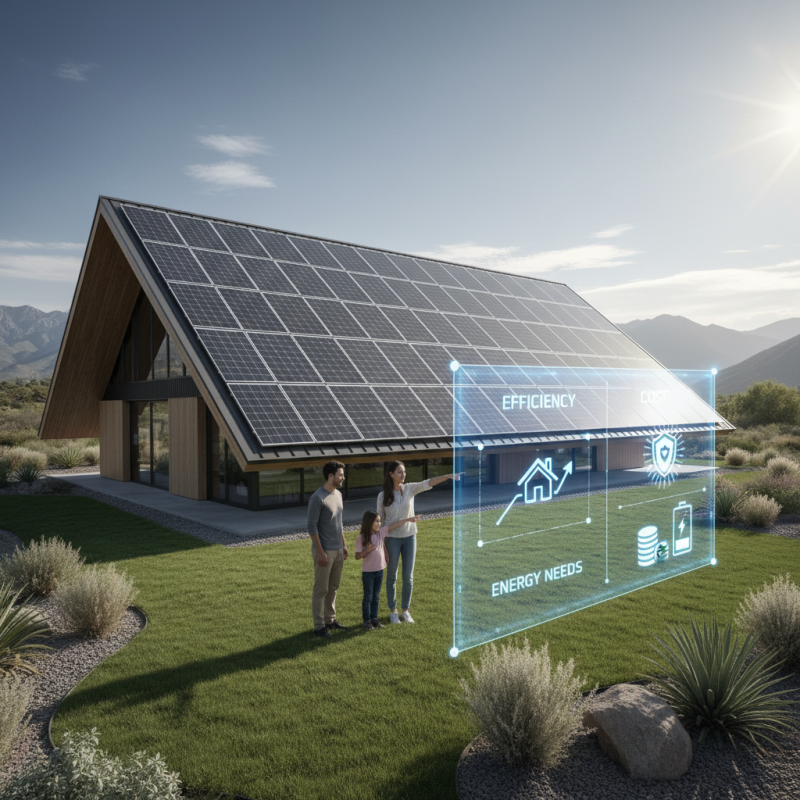
2026 Best Tips for Choosing the Right Solar Panel for Home?

Overview of Solar Panel Types and Technologies

Choosing the right solar panel for your home involves understanding the types and technologies available. Solar panels can generally be categorized into three main types: monocrystalline, polycrystalline, and thin-film. Monocrystalline panels are highly efficient, typically converting around 20% to 25% of sunlight into electricity. They are often more space-efficient due to their higher output. However, they tend to come with a higher price tag.

Polycrystalline panels are less expensive but generally less efficient, with efficiency ratings between 15% and 20%. This efficiency gap means homeowners may require more panels to achieve the same energy output. Thin-film panels are the least efficient, often falling below 15%. They are lightweight and flexible, making them suitable for various applications. However, their lower efficiency means they occupy more roof space.

Reports indicate that the solar market is expected to grow by 20% annually. This growing demand drives innovation in panel technology. Still, one should reflect on the longevity and degradation rates of panels. Monocrystalline can degrade less than 0.5% per year, while polycrystalline may deteriorate faster. Making an informed decision requires careful consideration of your home’s specific needs and solar potential.

Key Factors to Consider When Choosing Solar Panels

Choosing the right solar panel for your home involves several crucial factors. First, consider the efficiency of the panels. Higher efficiency panels produce more electricity in limited space. For example, if you have a small roof, efficient panels maximize your energy output. While they might cost more upfront, the long-term savings could outweigh the initial investment.

Next, think about durability. Look for panels that can withstand various weather conditions. Harsh conditions can damage solar panels and affect their performance. It's wise to check the warranty terms as well. Some panels may come with longer warranties, indicating better quality and reliability. You should also assess the panel size. More extensive installations need more space, and you should ensure your roof can accommodate them.

Don't forget about the local climate. Some panels perform better in warm, sunny areas. Others may be suitable for regions with cloudier skies. Lastly, consider the installation process. Finding a qualified technician is essential. Poor installation can lead to efficiency loss. Reflect on these factors to help make the best choice for your solar panel system.

Factors to Consider When Choosing Solar Panels for Your Home

Evaluating Energy Needs and System Size for Your Home

When selecting a solar panel system for your home, evaluating your energy needs and system size is crucial. Start by calculating your household’s average energy consumption. According to the U.S. Energy Information Administration, the average American home uses about 877 kWh per month. Knowing your specific usage helps in correctly sizing your solar panel system.

Consider your roof’s orientation and available space. South-facing roofs often receive the most sunlight. A typical 6 kW system may cover about 400 square feet. It’s also essential to think about peak sunlight hours in your region. Areas with more sunshine allow for smaller systems.

Tip: Don’t overlook the importance of local incentives. Some states offer tax credits or rebates. These can significantly reduce your overall installation costs. Examine your local regulations, as they might influence the system size you require.

Be realistic about your energy goals. While solar energy can drastically reduce bills, it may not eliminate them entirely. You might still depend on the grid during cloudy days. It’s important to weigh the benefits against your expectations.

Understanding Solar Panel Efficiency Ratings and Warranty Options

Understanding solar panel efficiency ratings is crucial when choosing the right panel for your home. Efficiency ratings indicate how well a solar panel converts sunlight into usable electricity. Higher efficiency means more power in a smaller space. For a compact roof, efficiency matters greatly. Look for panels with ratings above 15%. However, this can lead to higher costs, so weigh your budget carefully.

Warranty options are equally important. A good warranty can provide peace of mind. Most panels come with a 25-year performance warranty. This covers production issues, ensuring the panel performs to promised standards. However, the fine print can be tricky. Sometimes, warranties might not cover all damages. Always read the terms carefully. Evaluating both efficiency and warranty is vital. It helps avoid unexpected costs down the line. Choosing solar panels is not just a purchase; it's an investment in the future.

Assessing Installation Costs and Available Incentives for Homeowners

When assessing installation costs, homeowners must consider several factors. The average cost of solar panel installation ranges from $15,000 to $25,000 for residential systems. This figure includes equipment, labor, and other associated expenses. According to the Solar Energy Industries Association, the cost has decreased by nearly 20% over the past five years. Yet, prices can vary depending on location and system size.

Incentives can make solar energy more affordable. Federal tax credits can cover up to 26% of installation costs. Many states also offer additional rebates, which can significantly lower the total expense. For example, California provides an incentive program that can reach $3,000 or more. However, not all homeowners qualify. Some areas lack sufficient incentives, making financial decisions harder.

Homeowners should also evaluate their energy needs. A system that meets all energy requirements may seem ideal but often leads to higher costs. Balancing efficiency and cost is crucial. Some may choose smaller systems and utilize utility incentives instead. Reflecting on personal energy consumption will guide the right choice. Each situation is unique, requiring careful thought.

FAQS

: How do I calculate my energy needs for solar panels?

: Start by checking your household's average monthly energy consumption. Consider using past utility bills for accuracy.

What should I consider about my roof before installing solar panels?

Check the roof's orientation and available space. South-facing roofs usually receive the most sunlight.

How does peak sunlight hours affect my solar panel system?

More peak sunlight hours mean you can use a smaller system. Research your area's sunlight availability carefully.

Are there financial incentives for installing solar panels?

Yes, some regions offer tax credits or rebates. These can significantly decrease your overall system cost.

Can solar energy completely eliminate my electricity bills?

Not always. Some bills may remain due to grid reliance on cloudy days. Set realistic energy goals for your system.

Why is solar panel efficiency important?

Higher efficiency panels convert more sunlight into electricity, making them suitable for limited roof space. Check efficiency ratings above 15%.

What should I know about solar panel warranties?

Most come with 25-year performance warranties. Read the fine print as some damages might not be covered.

Are higher efficiency panels worth the cost?

Higher efficiency usually means higher costs. Assess if your budget allows for this before buying.

How do I avoid unexpected costs with solar panels?

Evaluate efficiency ratings and warranty terms carefully. Understanding these aspects can prevent future expenses.

Is choosing solar panels an easy process?

It can be complex. Weigh your options and research thoroughly before making a final decision.

Conclusion

Choosing the right solar panel for your home requires a thorough understanding of various factors. First, it's essential to explore the different types and technologies of solar panels available, as each offers unique advantages. Key considerations include evaluating your energy needs and determining the appropriate system size to ensure optimal efficiency and performance.

Additionally, understanding solar panel efficiency ratings and warranty options is crucial, as these metrics directly impact your investment's long-term viability. Homeowners should also assess installation costs and research available incentives, which can significantly influence the overall feasibility of a solar energy system. By compiling this information, you will be well-equipped to answer the question of how to choose the right solar panel for home, ensuring an informed decision that aligns with your energy goals and budget.

Oliver

Oliver

Oliver is a seasoned marketing professional with a wealth of expertise in driving brand awareness and engagement. With a deep understanding of our company's product offerings, he consistently delivers high-quality content that enriches our professional blog. His insights not only shed light on......