Solar energy is changing the way we power our homes. For many, a key consideration is: how long do solar panels normally last? This question impacts not only financial decisions but also environmental considerations. Understanding the longevity of solar panels can help homeowners make informed choices.
Typically, solar panels have a lifespan of 25 to 30 years. However, their performance can degrade over time. Many factors influence this lifespan. These include the quality of the panels, local climate, and installation practices. While most panels still generate electricity beyond 25 years, their efficiency decreases. This degradation is often a concern for potential buyers and current owners alike.
Investing in solar panels is a significant commitment. It is essential to weigh the long-term benefits against potential drawbacks. Issues like weathering and maintenance need to be addressed. Homeowners should keep these factors in mind. Proper research and expert consultation can mitigate risks and enhance your solar investment. Real-world experiences can offer valuable insights into what to expect.
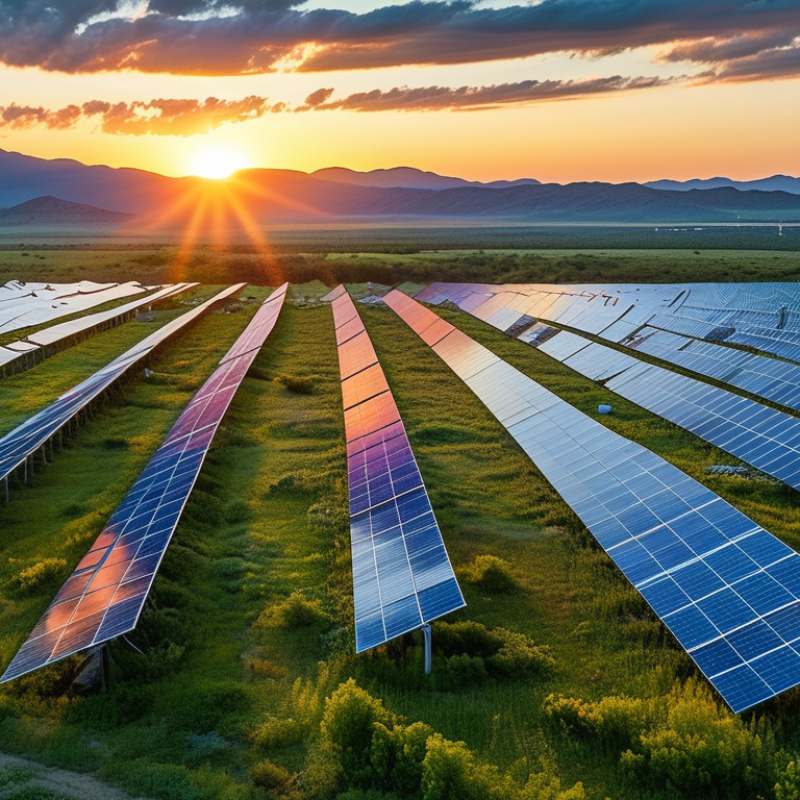
The lifespan of solar panels is a critical factor for homeowners considering renewable energy. On average, solar panels last between 25 to 30 years. Research indicates that most panels retain around 80% of their efficiency after 25 years. However, this longevity can vary based on multiple elements, including material quality and local environmental conditions. For instance, panels exposed to extreme weather may degrade faster than those in mild climates.
Durability is essential. Factors such as UV radiation, hail, and temperature fluctuations can affect long-term performance. A study by the National Renewable Energy Laboratory noted that high-quality panels undergo rigorous testing against these conditions. However, lower-grade panels may not withstand the same challenges, raising concerns about their reliability over time. Even well-manufactured panels can develop micro-cracks or other issues as they age. Routine inspections and maintenance are often recommended to ensure optimal performance throughout their lifespan.
Investing in solar energy requires careful consideration of these factors. Ultimately, understanding the durability and lifespan of solar panels can enhance decision-making for potential users.
The lifespan of solar panels typically ranges from 25 to 30 years. Several factors significantly influence their longevity. One key factor is the quality of materials used in construction. Higher quality silicon can enhance a panel's durability, resulting in a longer lifespan.
Environmental conditions also play a crucial role. Panels exposed to extreme weather conditions—like high winds or frequent hail—may experience accelerated wear. Dust, dirt, and debris accumulation can also reduce efficiency over time. Regular maintenance is essential to ensure optimal performance.
Tip: Clean panels at least twice a year to maintain efficiency.
Moreover, shading from nearby trees or buildings can affect performance. This can lead to uneven wear, reducing the system's overall lifespan. It's important to evaluate the installation location carefully. Some models may degrade faster than expected due to poor installation practices.
Tip: Consult with a certified installer for best practices.
In conclusion, understanding these factors can aid homeowners in making informed decisions. Being proactive about maintenance can prolong panel life and improve energy output.
The average lifespan of solar panels varies significantly by type. Monocrystalline panels typically last 25 to 30 years. Their efficiency and longevity make them a popular choice. Polycrystalline panels, while also lasting around 25 years, may not perform as well over time. Thin-film panels have a shorter lifespan, usually between 10 to 20 years.
Tips for solar panel maintenance are crucial. Regular cleaning is necessary to optimize performance. Dirt and debris can reduce efficiency. Check for shading regularly; overhanging branches can block sunlight.
However, issues do arise. Panels may experience micro-cracks or performance drops. Monitoring systems can help detect these problems early. Investing in quality panels can save money in the long run.
| Type of Solar Panel | Average Lifespan (Years) | Warranties (Years) | Efficiency (%) |
|---|---|---|---|
| Monocrystalline | 25-30 | 25 | 15-22 |
| Polycrystalline | 20-25 | 20 | 13-17 |
| Thin-Film | 10-20 | 10-15 | 10-13 |
| Bifacial | 25-30 | 25 | 15-22 |
| Building-Integrated Photovoltaics (BIPV) | 15-25 | 10-20 | 12-20 |
When it comes to solar panels, understanding their lifespan is crucial. Typically, solar panels last between 25 to 30 years. However, various signs may indicate that your panels need replacement sooner than expected. One clear sign is a noticeable decrease in energy output. If your solar panels are underperforming, despite clean and well-maintained conditions, it may be time to consider replacement.
Another indicator is physical damage. Inspect your panels for cracks, discoloration, or other wear and tear. These issues can often compromise the efficiency of the system. According to industry reports, damaged panels can lead to a 15% decrease in energy output or more. Additionally, if you observe frequent inverter issues, this can signal that your entire system may be aging.
Tips: Always keep a close eye on your energy bills. Unexpected spikes may mean your system isn’t generating as much energy as it should. Regular maintenance checks are essential too. These can spot potential problems before they escalate. If your panels are more than 20 years old and showing signs of wear, it might be wise to explore replacement options.
Maximizing the longevity of solar panels is vital for homeowners looking to make a sustainable investment. The average lifespan of solar panels is around 25 to 30 years, according to the National Renewable Energy Laboratory (NREL). However, many factors can influence how long your system actually lasts. For instance, regular maintenance is essential, as neglect can lead to reduced efficiency.
Environmental factors also play a significant role. Extreme weather conditions, such as hail or high winds, can cause physical damage. A study by the Solar Energy Industries Association (SEIA) highlights the importance of installation quality. Properly installed panels have been found to perform better over time compared to poorly installed ones.
Monitoring the performance of your solar system is crucial. It’s important to identify any drops in output early. A decrease in power generation could indicate that cleaning or repairs are needed. Neglecting these issues can significantly shorten the lifespan of your panels. Investing time in understanding these aspects can lead to greater reliability and higher returns on your investment.
: Solar panels typically last between 25 to 30 years for most types.
Monocrystalline panels last about the same, but they often perform better over time.
Thin-film panels generally last between 10 to 20 years, which is shorter than other types.
Regular maintenance, like cleaning, helps maintain efficiency and longevity.
Extreme weather, such as hail and high winds, can cause physical damage to panels.
Properly installed panels perform better over time compared to poorly installed ones.
It's crucial to monitor performance and check for any drops in output regularly.
Ignoring problems like dirt or shading can significantly shorten the lifespan of your panels.
A decrease in power generation usually signals that cleaning or repairs are necessary.
Yes, investing in quality panels can lead to savings and better performance over time.
The article "10 Best Solar Panels: How Long Do They Normally Last?" delves into the lifespan and durability of solar panels, providing valuable insights for potential buyers and users. It highlights that the average lifespan of solar panels typically ranges from 25 to 30 years, though various factors such as manufacturing quality, installation conditions, and environmental influences can affect this duration.
Additionally, the piece discusses signs indicating when solar panels may need replacement, ensuring users can make informed decisions about maintenance and upgrades. Lastly, the article offers tips on maximizing the longevity of solar panels, emphasizing the importance of regular inspections and proper care to enhance their performance over time. Overall, understanding how long solar panels normally last is crucial for optimizing investment in solar energy solutions.

Stove Solar