Solar energy is becoming increasingly vital in today's world. Many homeowners and businesses are adopting solar panels. Yet, an essential question remains: What is the best angle for solar panel installation? The angle at which solar panels are installed can significantly affect their efficiency and energy output.
Choosing the right angle involves understanding your location and climate. In general, the best angle is close to the latitude of the installation site. However, this may not always be optimal. Seasonal adjustments might be needed for maximum exposure to sunlight. Unfortunately, many overlook these details, leading to less efficient setups.
Weather patterns and obstructions like trees or buildings can complicate the decision. It's crucial to consider these factors before installation. While guidelines offer a starting point, individual conditions vary greatly. A one-size-fits-all approach may not yield the best results, making it essential to analyze personal situations carefully.
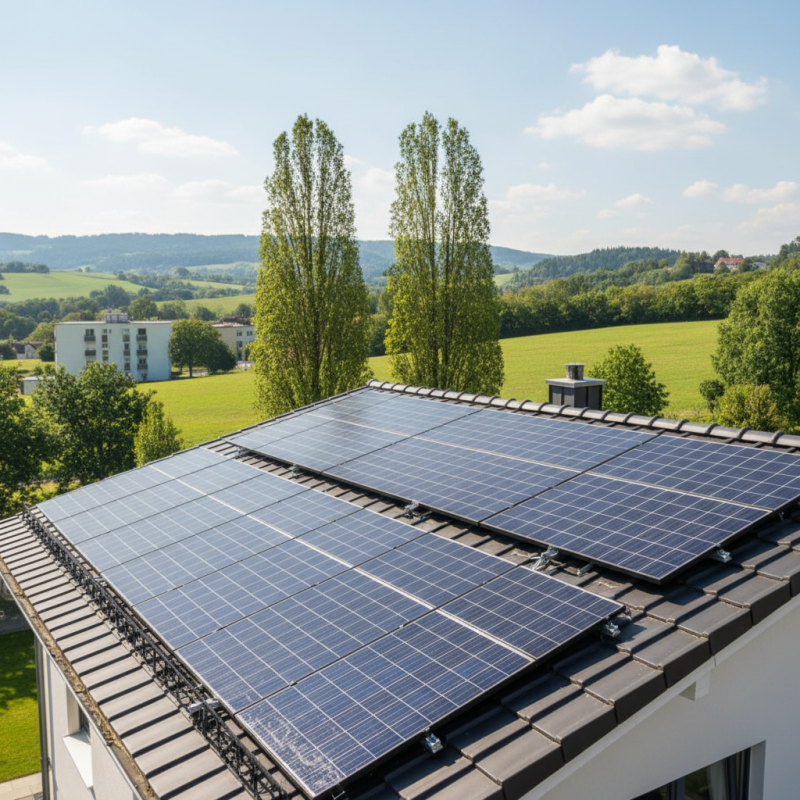
When considering solar panel installation, the tilt angle is crucial. The optimal angle directly influences energy production. Various studies indicate that the tilt should ideally match your latitude. For instance, if you live at a latitude of 30 degrees, a tilt angle around 30 degrees is recommended. However, this can vary based on seasonal adjustments and specific geographic conditions.
Regions closer to the equator often benefit from shallower angles. A study from the National Renewable Energy Laboratory (NREL) suggests a tilt angle of about 10 to 15 degrees in these areas. In contrast, higher latitudes, such as 60 degrees, may require angles exceeding 45 degrees to maximize sunlight capture. Adjusting tilt angles seasonally can also enhance energy yield, particularly in regions with varied sunlight throughout the year.
Tips: Always evaluate local climate and seasonal changes. Use adjustable mounts for flexibility. Remember, an improperly tilted solar panel may lead to suboptimal energy production; this requires careful thought and planning. Additionally, getting professional assessments can help ensure an efficient setup. Regularly monitoring your system can indicate if further adjustments are needed to maintain optimal performance.
Solar panel efficiency is significantly affected by their angle of installation. Seasonal variations also play a crucial role in determining the best position for solar panels.
Solar energy systems can capture more sunlight when the panels are optimally tilted, and adjusting this angle throughout the year can yield substantial energy savings.
Research from the National Renewable Energy Laboratory (NREL) indicates that a fixed panel angle can decrease efficiency by up to 20% during certain seasons. For instance, the ideal installation angle for solar panels in the summer is often less than that in winter, due to the sun’s higher position in the sky. Adjusting the angle can dramatically enhance energy capture.
Tips: Consider a tracking system if feasible. It allows panels to follow the sun, maximizing exposure throughout the day. Additionally, some homeowners adjust their panels seasonally. It’s a simple way to increase efficiency without the need for complex installations. Regular maintenance checks are essential too; cleanliness impacts performance more than many realize.
Dust and debris can lower output by 10% or more. This requires thoughtful reflection on how environmental factors affect solar productivity.
Solar panels convert sunlight into electricity, making their angle of installation crucial. The angle impacts solar radiation exposure and, consequently, energy output. To optimize efficiency, understanding the relationship between angle and solar radiation is essential. Generally, the ideal angle generally matches the latitude of the installation location. This alignment allows maximum sunlight absorption throughout the year.
However, local factors must also be considered. Buildings, trees, and weather conditions affect sunlight exposure. Sometimes, the best angle may need adjustments based on these factors. Poor installations can lead to lower energy efficiency. Therefore, constant monitoring and adjustments can enhance performance over time.
Tips: Adjust the panel's angle seasonally. In winter, a steeper angle captures more sunlight. Consider adding or removing shading elements as seasons change. If your energy output seems low, re-evaluate the panel's orientation. Small adjustments can lead to significant benefits. Overall, ensure your system remains aligned with optimal solar practices.
| Angle (Degrees) | Average Solar Radiation (kWh/m²/day) | Expected Energy Production (kWh/year) | Efficiency (%) |
|---|---|---|---|
| 0 | 4.25 | 1556 | 15 |
| 15 | 4.75 | 1734 | 16 |
| 30 | 5.25 | 1922 | 17 |
| 45 | 5.70 | 2080 | 18 |
| 60 | 5.90 | 2155 | 19 |
| 75 | 5.50 | 2010 | 18 |
When it comes to solar panel installation, one of the key decisions is choosing between fixed and adjustable mounting systems. Fixed systems are simpler and often less expensive. They require less maintenance and are easier to install. However, they may not capture maximum sunlight throughout the year. This limitation can affect energy production, especially in regions with seasonal changes.
On the other hand, adjustable mounting systems provide flexibility. They allow homeowners or businesses to change the angle of the solar panels. This adaptability can lead to improved energy efficiency. By optimizing the tilt throughout different seasons, users can harness more sunlight. Yet, these systems often come with higher costs and complexity. They require regular adjustments and may need more upkeep.
Choosing the right system depends on individual needs and situations. Think about the location, energy goals, and budget. While flexible systems offer advantages, fixed systems provide reliability. It’s essential to weigh these options carefully to ensure the best performance for your solar investment. The right choice will impact energy savings and long-term benefits.
When installing solar panels, the angle is crucial for maximizing efficiency. The ideal tilt varies based on your geographical location. For example, locations closer to the equator benefit from a steeper angle. Conversely, northern regions may require a shallower tilt. These adjustments can significantly impact energy production throughout the year.
Beyond angle, installation best practices also matter. Ensure that solar panels are installed in areas free from shadows. Nearby trees or buildings can obstruct sunlight, diminishing output. Regular maintenance is essential. Dust and debris can accumulate on the panels, reducing their effectiveness. Checking the system periodically can help identify issues early.
Reflecting on past installations can provide valuable insights. Did the angle set lead to optimal performance? Were maintenance routines followed? Learning from these experiences can enhance future projects. Ensuring the right angle and consistent upkeep can create a reliable solar energy system.
This chart displays the optimal installation angles for solar panels based on geographical locations. Correct installation angles maximize solar exposure and enhance the efficiency of solar energy systems.
: The angle affects solar radiation exposure and energy output. Proper alignment boosts sunlight absorption throughout the year.
In winter, use a steeper angle to capture more sunlight. Consider changing angles based on seasonal variations in sunlight.
Fixed systems are simpler and cheaper but may miss optimal sunlight. Adjustable systems allow angle changes but involve higher costs.
Dust and debris can accumulate, reducing efficiency. Periodic checks help identify and fix issues before they worsen.
Shadows can diminish sunlight exposure, leading to lower energy output. Installing panels away from obstructions is crucial.
Consider if the angle led to optimal performance and if maintenance routines were followed. Learning helps improve future setups.
Determining "what is the best angle for solar panel installation" involves considering several factors that influence energy output. The optimal tilt angle for solar panels often varies based on geographic location and latitude, with different regions requiring specific angles to capture maximum solar radiation throughout the year. Additionally, seasonal variations can impact energy efficiency, suggesting that adjusting the panel angles according to the season can enhance performance.
Understanding solar radiation data is crucial, as it reveals how different angles affect energy generation. Homeowners and businesses can choose between fixed and adjustable mounting systems, each with its own advantages in terms of performance and maintenance. To ensure long-term efficiency, adhering to best practices during installation is essential, allowing for sustainable energy production and maximizing investment in solar technology.

Stove Solar