Are solar panels worth it in low sunlight areas? The honest answer depends on more than cloudy skies. It depends on your roof direction, shading, electricity prices, system size, and local incentives. A northern-facing roof under tall trees may perform poorly. A south-facing roof can still produce useful power during a gray afternoon.
The International Energy Agency’s Renewables 2024 report expects solar photovoltaic systems to provide most new renewable capacity through 2030. That growth includes regions with seasonal snow, frequent clouds, and short winter days. IEA Executive Director Fatih Birol described solar power as “the cheapest source of electricity in history.” The statement is powerful, but it does not guarantee savings for every household.
NREL’s PVWatts tool evaluates production using local weather, solar radiation, temperature, tilt, and system losses. Those details matter more than a simple sunny-versus-cloudy label. Modern panels still generate electricity from diffuse light. However, output can fall sharply under heavy cloud cover, dirt, snow, or nearby shade. Real-world performance is rarely perfect. That deserves honest attention.
This guide presents seven practical tips for judging whether solar makes financial sense in a low-sunlight location. It examines annual energy estimates, battery value, panel technology, roof conditions, maintenance, utility rates, and payback time. The answer may be yes, but only after comparing measured data with realistic household consumption. “Low sunlight” sounds clear. It often is not.
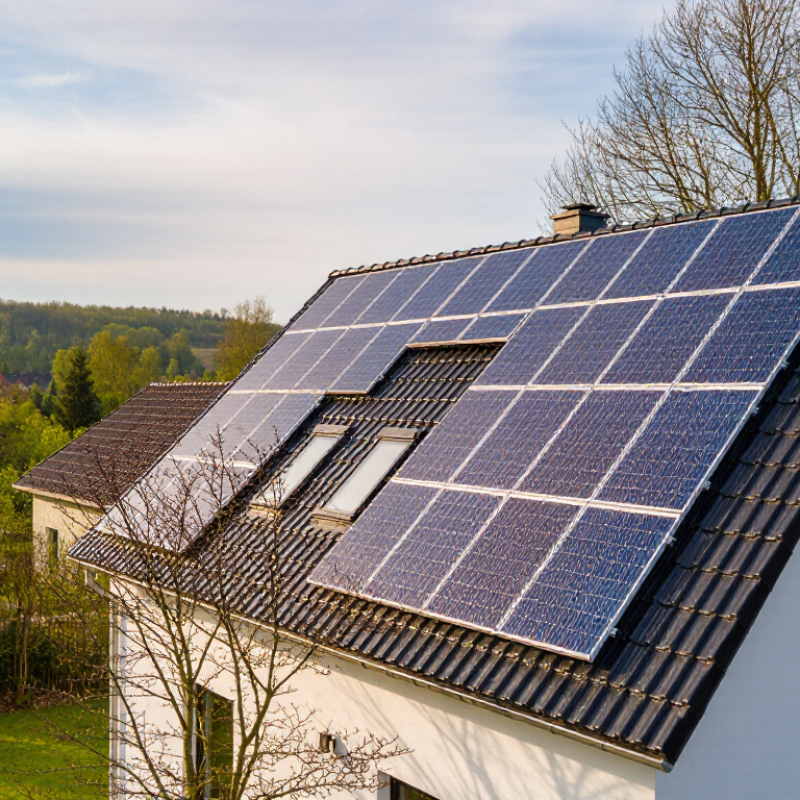
Solar panels still produce electricity under cloudy skies, but output drops with weaker sunlight. They do not need direct sunshine to work. Diffused light can still reach the cells. In a site assessment, roof direction, seasonal shading, and local weather records matter more than a single sunny afternoon.
Tip 1: Check annual sunlight data, not daily impressions.
Tip 2: Watch nearby trees, chimneys, and winter shadows. Small shadows can reduce production across several connected panels.
Tip 3: Use a roof angle suited to your latitude and seasonal goals. A steeper angle may improve winter performance, but it can reduce summer output.
Tip 4: Ask for an estimate using realistic winter figures. Some proposals rely on optimistic assumptions. That deserves a second look.
Energy production also depends on panel temperature, inverter efficiency, dust, and snow cover. Cold weather can improve electrical efficiency, although snow may block light completely.
Tip 5: Compare expected yearly generation with your household’s actual consumption.
Tip 6: Consider battery storage only after checking its added cost and lifespan. Batteries can help during dark evenings, but they do not create extra solar energy.
Tip 7: Request shading analysis and production monitoring after installation. Monitoring may reveal underperformance early.
I once underestimated the effect of a tall seasonal tree during a roof review. That mistake reminded me that low-light planning needs local measurements, not confident guesses.
A qualified installer should explain assumptions, maintenance needs, and likely performance ranges clearly.
Are solar panels worth it in low sunlight areas? Often, yes, but performance depends on more than cloudy skies. Solar production follows available irradiance, not daylight alone. A cool, bright day can outperform a hot, hazy one. Roof direction, tilt, shade, temperature, and wiring losses also matter. In real site assessments, nearby trees and chimneys often create larger losses than homeowners expect. Even careful estimates can miss seasonal shadows.
Tip 1: Review local solar data, not general weather averages. Monthly irradiance records provide a more realistic production estimate.
Tip 2: Arrange a shade analysis during different seasons. Winter shadows may reach farther across the roof.
Tip 3: Use high-efficiency panels when roof space is limited. Efficiency cannot create sunlight, but it uses available space better.
Tip 4: Keep panels clean and inspect them after storms. Dust, leaves, and snow can reduce output noticeably.
Tip 5: Check the roof’s angle and direction before installation. A small adjustment may improve annual production.
Tip 6: Compare yearly savings, maintenance costs, and installation expenses. A low-light system may still work, but payback can take longer.
Tip 7: Consider battery storage carefully. It can improve evening use, though it also adds cost and replacement concerns.
Ask a qualified installer for a production model based on your roof, local climate, shading, and electricity use. Estimates are useful, not perfect.
Low sunlight does not mean no solar potential. It means every design choice matters more. The Global Solar Atlas maps solar irradiation at roughly 250-meter resolution, helping identify seasonal shadows before installation. Measure the roof’s winter shade, not only its summer appearance. Nearby trees can remove several productive hours each day.
Choose modules with strong temperature and low-irradiance coefficients. Fraunhofer ISE’s Photovoltaics Report 2024 places many commercial modules near 20–23% efficiency, but laboratory ratings do not guarantee equal rooftop output. Keep panels clean, especially beneath dusty eaves. Use a steep enough tilt to shed snow and improve winter exposure. Avoid placing one shaded panel in the same electrical string as clear panels. Separate power tracking can reduce that mismatch. Small improvements matter.
Use a qualified installer to model the site with PVGIS or equivalent hourly weather data. PVGIS relies on long-term satellite and climate records, rather than a single bright week. Select an inverter with efficient maximum-power tracking at low input levels. Add monitoring, then inspect unusual drops after storms or construction. Size the battery carefully; oversized storage can weaken the project’s economics. No panel creates energy from darkness.
My practical concern is often overlooked: low-light claims can sound better than annual yield. Compare predicted kilowatt-hours, winter output, maintenance, and local electricity prices. A modest system may still work, but the payback period needs honest testing.
In low-sunlight regions, solar panels can still reduce electricity costs, but savings depend on details. Start with a year-round sunlight assessment, not a bright summer day. A roof facing the strongest sun usually performs better than a larger shaded roof. Nearby trees, chimneys, and winter snow can reduce output noticeably. Ask for an hourly or monthly production estimate based on local weather data.
Compare the full installation cost with your current utility bills. Include permits, roof repairs, wiring, monitoring equipment, and possible battery costs. A smaller system may offer a safer payback than an oversized one. Battery storage can improve evening use, yet it adds significant expense. Check available rebates and local electricity rules carefully. These policies can change, sometimes before homeowners recover their investment.
Request at least three detailed quotes with projected annual production. Confirm equipment warranties, labor coverage, and expected maintenance. Dust, snow, and shading may require occasional attention. In my experience, optimistic estimates are easy to accept when energy prices feel painful. That can be a mistake. Calculate payback using conservative production and rising, flat, and falling electricity prices. Many systems recover costs within ten to twenty years, but low-light homes may take longer. A professional site inspection matters more than a generic online calculator.
Solar panels can still work in shaded areas, but the economics depend on timing, not just brightness. NREL’s PVWatts model evaluates hourly solar radiation and shading losses, which is more useful than judging a roof by eye. A tree may block direct sunlight at 9 a.m., while the roof receives strong afternoon light. Track shadows during winter, when the sun sits lower. That detail matters.
Check annual energy estimates from a qualified installer. Compare at least three designs. Ask for results with nearby trees included. The 2024 IEA PVPS Trends report recorded more than 1,400 GW of global photovoltaic capacity, showing mature technology, not unlimited performance in poor locations. Partial shade can affect series-connected panels disproportionately. Module-level power electronics may reduce this effect, but they cannot create missing sunlight. Keep expectations realistic.
Review roof orientation, local electricity prices, and panel placement. A smaller, unshaded array may outperform a larger shaded one. Trim vegetation only where safe and permitted. Inspect nearby chimneys, walls, and seasonal shadows. NREL’s solar modeling guidance supports using site-specific inputs instead of broad regional averages. Ask about battery value separately; batteries store energy, but they do not repair weak solar production. My cautious view is simple: shaded panels can be worthwhile, yet a forecast using perfect sunshine is a poor investment tool. Measure first. Then decide.
This chart models the estimated annual electricity production of a 5 kW solar system under different average sunlight conditions. The estimate assumes 365 days per year and an overall system performance ratio of 80%, including normal temperature, wiring, inverter, and conversion losses. Partial or heavy shade can reduce output substantially, so a site-specific shade analysis is recommended before installation.
Yes. Diffused daylight still reaches the cells, but electricity production usually decreases. Thick clouds can reduce output sharply.
Review annual sunlight data, seasonal weather, roof direction, and winter shading. One bright afternoon proves very little.
Trees, chimneys, nearby buildings, and roof edges can cast narrow shadows. Even one shaded panel may affect connected panels.
Yes. A steeper angle may improve winter exposure and help snow slide away. However, it can reduce summer production.
Compare low-irradiance performance, temperature behavior, and efficiency ratings. Laboratory results are useful, but rooftop output may differ.
Batteries store surplus electricity for darker evenings. They do not create energy when panels produce very little.
Request a detailed shade study using hourly weather data. Separate power tracking can limit losses from one shaded panel.
Compare predicted yearly kilowatt-hours with your actual household use. Include maintenance, winter output, battery costs, and local electricity prices.
Use production monitoring and inspect unusual drops after storms, dust buildup, or nearby construction. My own tree estimate was wrong once. Small mistakes matter.
Are solar panels worth it in low sunlight areas? In many cases, yes, although their performance depends on more than the number of sunny hours. Modern panels can still generate electricity under cloudy or indirect light, but energy output is influenced by shading, roof direction, tilt, panel quality, temperature, and regular maintenance. Nearby buildings, trees, dirt, and seasonal changes can reduce production, so a careful site assessment is essential before installation.
Homeowners can improve low-light performance by trimming obstructions, choosing an efficient system, using suitable panel placement, keeping surfaces clean, monitoring energy production, and combining solar generation with batteries or grid power when appropriate. The final decision should compare installation costs, available incentives, expected savings, electricity prices, and the system’s payback period. Solar panels may be worthwhile in shaded areas when electricity costs are high, the roof receives consistent indirect light, and long-term energy savings justify the investment. When shade is severe or savings are limited, efficiency upgrades or a smaller system may be more practical.

Stove Solar